Loading...
Please wait while we load the content...

Loading...
Please wait while we load the content...
Stay informed about our latest publications, calls for proposals, and special announcements. As a subscriber, you'll also enjoy exclusive member discounts of 10%-20% on all orders. Join our community of scholars, librarians, and readers today.


Availability
In stock
ISBN
9798881900373
Edition
1
Publication Date
January 7, 2025
Physical Size
236mm x 160mm
Number of Pages
252
Currency
Quantity
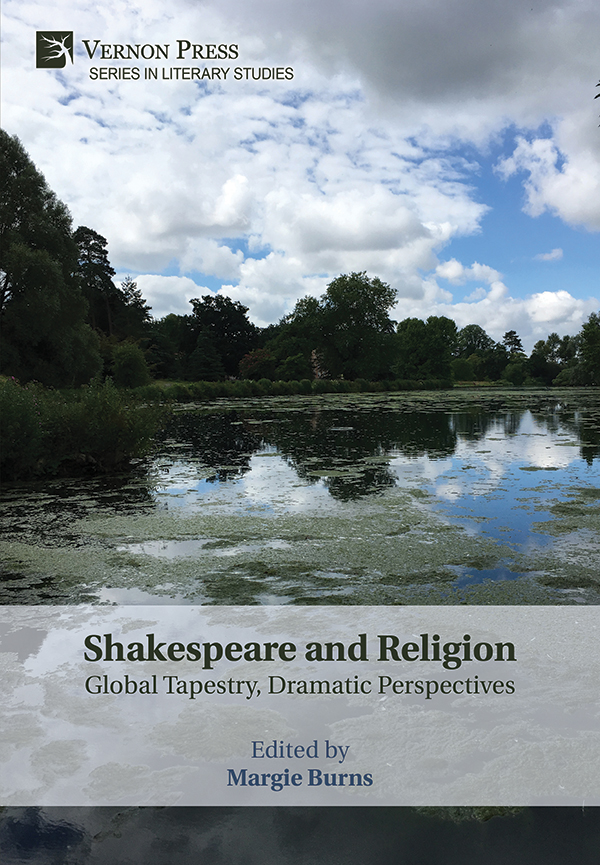
Religion informs all the Bard’s writing. In his plays, the transcendental may execute justice according to different faiths, separate dissembling from conversion, offer a pathway to salvation, diffuse the Gods between Homer, Rome, Israel, Islam, fairies, devils, Popes and Protestants: intervening and confusing characters and audiences, then and now. The spiritual inflects history, comedy, romance, and tragedy—as classical hubris or Pirandello’s modern “hole torn in a paper sky.” These inspiring, learned, moving essays can floodlight classrooms and stages: they contribute vividly to recent reassessments of religious foundations in literature and art.
Robert L. Patten
Lynette S. Autrey Professor Emeritus in Humanities and Emeritus Professor of English
Rice University
“Shakespeare and Religion: Global Tapestry, Dramatic Perspectives”, edited by Margie Burns, offers a treasure of historical research and innovative approaches to the question of the connection of religion to Shakespeare’s plays. Rather than arguing for Shakespeare’s beliefs, the essays in this volume remind us that sixteenth- and seventeenth-century Britain was a marketplace of ideas as well as a cosmopolitan community of global peoples. From the ancient gods of Homer and Ovid to Jewish conversion narrative and Hebrew mysticism, from the ancient division between pagan and Christian and the recent division between Catholic and Protestant, to an African setting influenced by Coptic Christianity or Muslim teachings, this volume portrays a Shakespeare who drew on a varied knowledge of religion to give his audience glimpses of divine justice or injustice, yet also hope.
Jane Donawerth
Professor emerita
University of Maryland
This collection of essays, all of them new, is an interesting and stimulating one that demonstrates the continuing life in its venerable topic. The individual contributors go beyond the traditional and much-debated questions of Protestant vs. Catholic, sometimes visiting surprising places on the map (medieval Judaism, Coptic Christianity), occasionally making sharp interventions into today’s news, more generally insisting on religion not as a matter of sectarian identification but as an elevated level of concern, a matter of giving attention to what finally most matters in human life. Shakespeare’s works indeed deserve and reward reading at this level, as these essays show in sometimes unexpected ways.
Gordon M Braden
Professor Emeritus
Department of English
The University of Virginia
Discover books that expand on the themes explored in this work—titles that engage with similar questions, intersecting disciplines, and complementary perspectives to deepen understanding and broaden the conversation.
Browse all titles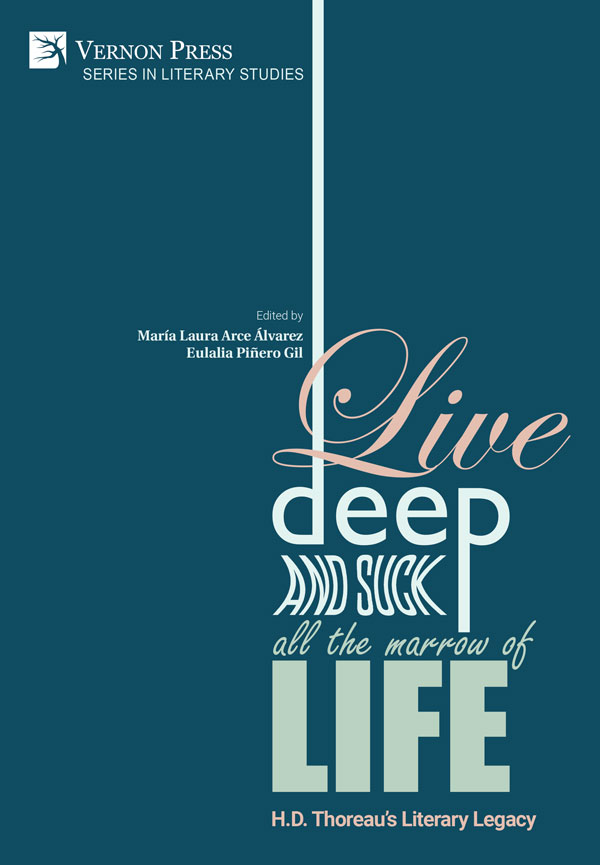
Eulalia Piñero Gil and María Laura Arce Álvarez (Eds.)
View more