Loading...
Please wait while we load the content...

Loading...
Please wait while we load the content...
Joliet Junior College
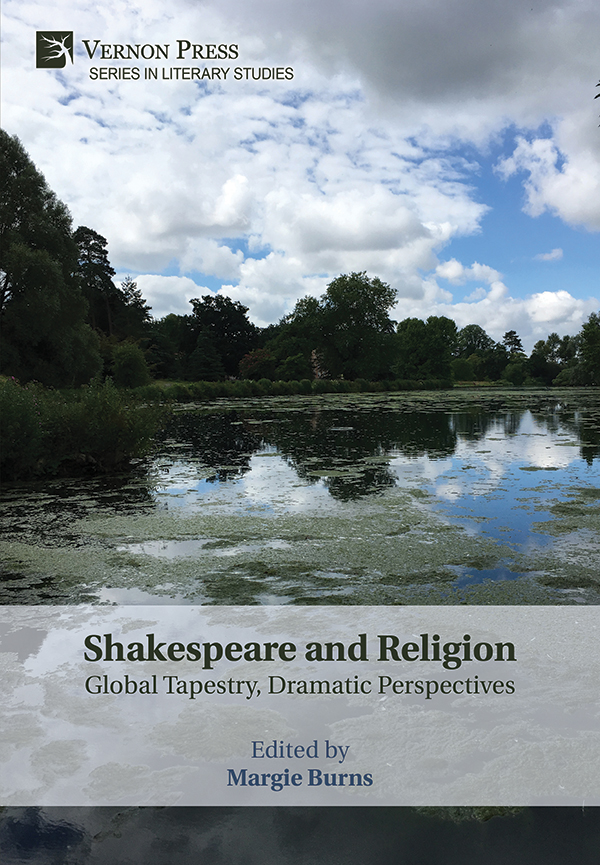
Margie Burns, Camilo Peralta, Jennifer Basye Gilstrap, Jay Zysk, Michele Osherow, Shandi Stevenson, Giacomo Ferrari, Milo-Rhys K. Teplin di Padilla, Kelsey Ridge, Annalise Benjamin, Travis J. Knapp, and Caroline Weisenthal Lion
Twelve research articles deal with aspects of religion in the plays of William Shakespeare, from early in the dramatist’s career to the end. Ordered by chronology, two chapters focus on history plays; three chapters focus on comedies and three on tragedies; one deals with "Troilus and Cressida," and three chapters deal with the late romances. The anthology does not cover all of Shakespeare’s plays and collaborations or the lyric poems. The collection is ecumenical and transnational. While the contributors all recognize that Shakespeare wrote in a Renaissance Christian universe, Christianity is not the only world religion dealt with. Approaches involve history and philosophy as well as theology, and individual perspectives vary. One thing the collection makes clear is that religion, in some sense, operates in every Shakespearean work, and its large spectrum ranges through plot and character from shallow to deep, self-interested to elevated, bloody to harmonious. Religion and religious differences were also part of the fabric and history of the playwright’s world, manifesting in the plays in situation, language, and iconography. From various perspectives, a common denominator is that the authors approach aspects of religion as one element in an informed analysis of the works.
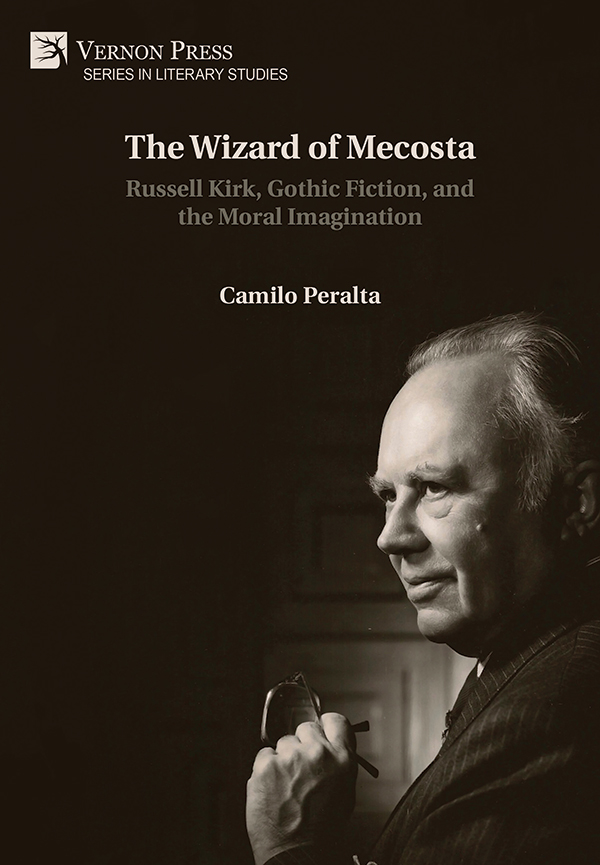
Camilo Peralta
"The Wizard of Mecosta" offers an extended analysis of the fiction of Russell Amos Kirk (1918-1994), a central figure in modern American conservatism who is often referred to as “the father” of the same. Born and raised in Michigan, Kirk was also a prolific writer of fiction, who published almost two dozen short stories and three novels over the course of his long career. At the heart of everything Kirk wrote was what he referred to as the “moral imagination,” a phrase he borrowed from Edmund Burke and often used to describe the instructive and enlightening purposes of great literature. Despite his prominent reputation as a public man of letters and the respect of fellow authors including Ray Bradbury and Stephen King, Kirk’s fiction was never very popular, and has fallen into almost complete obscurity in the present. "The Wizard of Mecosta" is the first full-length study ever published about Kirk’s fiction, and the only work of any length to consider the entirety of his output, including all of the stories and novels he wrote. By emphasizing how Kirk’s fiction illuminates certain aspects of his social and political theory, "The Wizard of Mecosta" distinguishes itself from the half-dozen or more studies of the author’s life and work that have been published since his death in 1994. It should appeal to anyone with an interest in American conservatism, as well as fans and scholars of the sort of Gothic horror in which Kirk, unexpectedly, excelled. Through his stories of avenging ghosts and timeless journeys through the afterlife, he reminds us of the existence of “permanent things,” the core values and beliefs of Western society, which he strove all his life to preserve. It is high time that his fiction found a more appreciative, and larger, audience.