Loading...
Please wait while we load the content...

Loading...
Please wait while we load the content...
Stay informed about our latest publications, calls for proposals, and special announcements. As a subscriber, you'll also enjoy exclusive member discounts of 10%-20% on all orders. Join our community of scholars, librarians, and readers today.



Availability
In stock
ISBN
9781622736317
Edition
1
Publication Date
November 1, 2019
Physical Size
236mm x 160mm
Illustrations
5 Color
Number of Pages
387
Currency
Quantity
The branch of philosophy called “philosophy of mind” has been center stage in the discipline for over a half-century. Involving issues such as consciousness, perception, and intentionality, the sub-discipline has often intersected with the sciences, particularly those of biology and neuroscience. This timely book draws together thinkers trained in the logical and concept-driven methodologies of philosophy with those trained in the empirical sciences. Importantly, it affords the reader a multidisciplinary book that guides them in the general approaches to the problems, theories, and areas that are involved.
It begins with a section devoted to a historical overview of the general problems in the Philosophy of Mind. The next section begins the “transdisciplinary” dovetailing of philosophy with science, with chapters examining predictive processing, semantics, and issues free-will in mental health. Section III continues the philosophical examination of traditional concerns such as self-awareness and identity formation, with the final two sections facing such pressing issues as human versus artificial intelligence, and the ethical issues surrounding big data.
The volume allows readers to understand the general field of Theoretical Neurophilosophy, which brings together both the fact-based practices in the science with the concept-based tradition in philosophy; a linkage the editors refer to as the “concept-fact linkage.” Science’s dependence on theoretical frameworks mirrors philosophy’s dependence on empirical data; this volume unites the two missions.
Prof. Dr. Dena Shottenkirk
Brooklyn College, The City University of New York
Discover books that expand on the themes explored in this work—titles that engage with similar questions, intersecting disciplines, and complementary perspectives to deepen understanding and broaden the conversation.
Browse all titles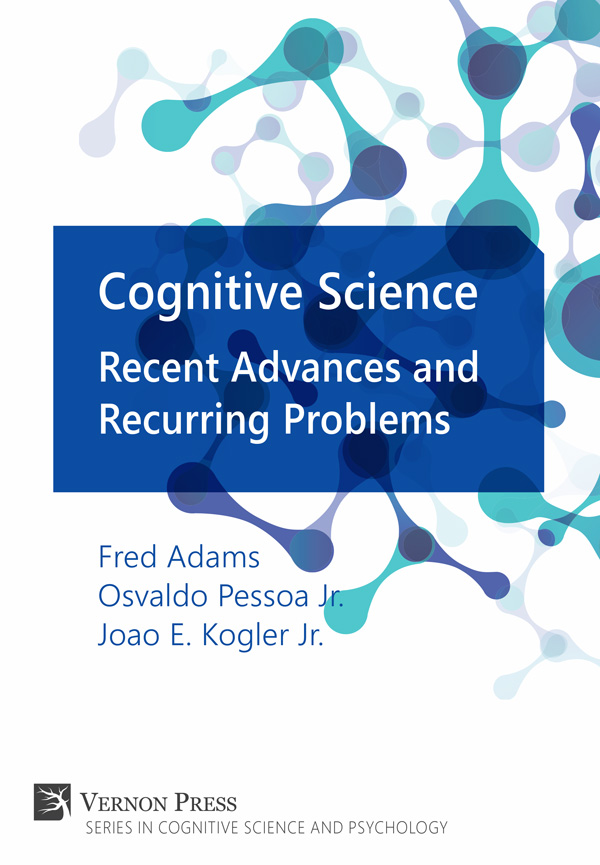
Joao Eduardo Kogler Jr., Frederick Adams, and Osvaldo Pessoa Jr. (Eds.)
View more
João G. Pereira, Jorge Gonçalves, and Valeria Bizzari (Eds.)
View more