Loading...
Please wait while we load the content...

Loading...
Please wait while we load the content...
Stay informed about our latest publications, calls for proposals, and special announcements. As a subscriber, you'll also enjoy exclusive member discounts of 10%-20% on all orders. Join our community of scholars, librarians, and readers today.
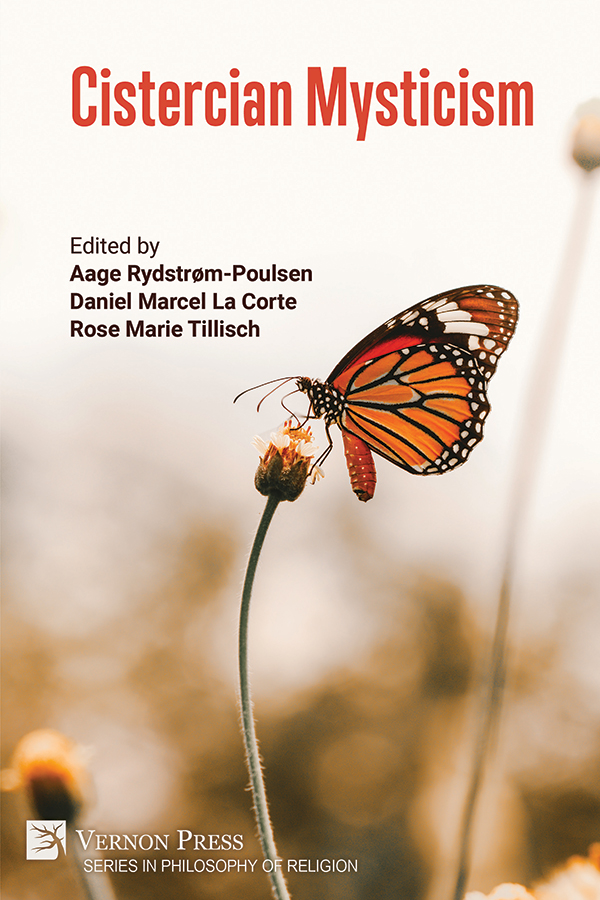
Availability
In stock
ISBN
9798881900946
Edition
1
Publication Date
May 5, 2025
Physical Size
236mm x 160mm
Number of Pages
198
“Cistercian Mysticism” offers a helpful guide to a new generation of scholars working on the originality of the great Cistercian mystics of the twelfth century. The chapters in this volume introduce William of Saint-Thierry, Bernard of Clairvaux and Aelred of Rievaulx as highly distinctive and imaginative authors, each of whom presents their map of spiritual transformation in the light of their own experience.
Constant J. Mews, Monash University
The chapters of “Cistercian Mysticism” present appropriate and significant insights into the teachings of three 12th-century mystics: Bernard of Clairvaux, Willliam of St. Thierry, and Aelred of Rievaulx. These chapters introduce the depths of their monastic entrance into the immediate presence of God with its encountering the divine. The scholarly research for this book is impressive and valuable for further Cistercian explorations.
Thomas X. Davis O.C.S.O.
Abbey of New Clairvaux
Although the title Cistercian Mysticism indicates a broad field of inquiry, the advantage of this collection of essays is that it avoids the usual abstractions and generalizations around the admittedly fraught term mysticism. With most contributions focusing on a specific author, the reader is given the opportunity to consider this mysticism from specific points of view and at great depth. William of Saint Thierry carries the leading role, but other patristic and Cistercian voices intervene to enrich this valuable work.
Fr. Elias Dietz
Abbey of Gethsemani
This book on the widespread role of twelfth-century monastic writers in shaping medieval mystical theology is long overdue. In it, an international group of Cistercian scholars plumbs the role of such significant figures as Bernard of Clairvaux and William of Saint-Thierry in the development of Cistercian mystical thought, as well as their use of patristic sources and the themes that run throughout their works. The sharp Cistercian focus of the chapters limns the historical context in which Cistercian monasticism flourished.
Dr. Marsha Dutton
Emerita, Ohio University;
Executive Editor of Cistercian Publications
Discover books that expand on the themes explored in this work—titles that engage with similar questions, intersecting disciplines, and complementary perspectives to deepen understanding and broaden the conversation.
Browse all titles


