Loading...
Please wait while we load the content...

Loading...
Please wait while we load the content...
Stay informed about our latest publications, calls for proposals, and special announcements. As a subscriber, you'll also enjoy exclusive member discounts of 10%-20% on all orders. Join our community of scholars, librarians, and readers today.


Availability
In stock
ISBN
9798881900380
Edition
1
Publication Date
September 24, 2024
Physical Size
236mm x 160mm
Illustrations
16 Color
Number of Pages
182
Currency
Quantity
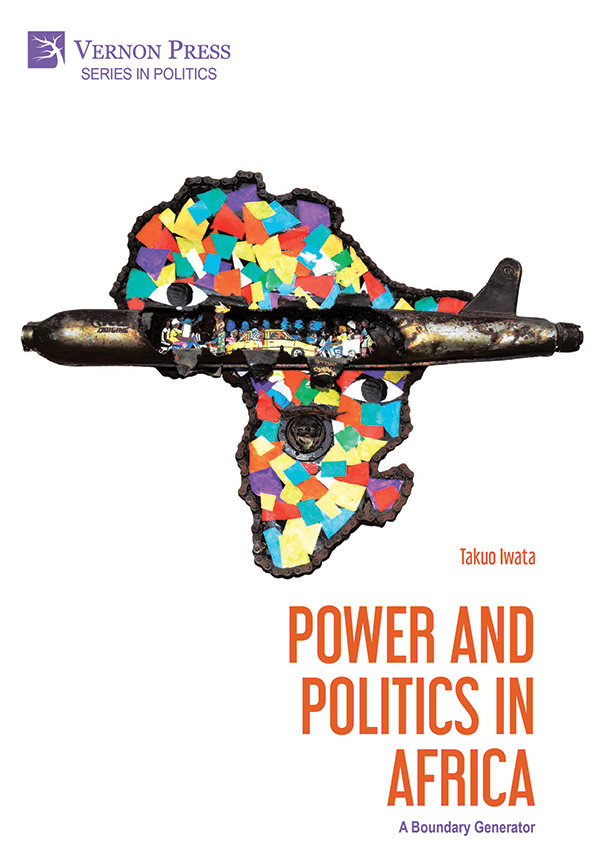
The power to define, regulate, and contest boundaries lies at the very heart of politics. In this richly detailed and well-researched book, Takuo Iwata offers insightful evidence from African international relations to illuminate this dynamic and its implications for democratisation, citizenship and belonging.
Francis B. Nyamnjoh
Professor of Social Anthropology, University of Cape Town
In this book, Takuo Iwata has succeeded in integrating a large amount of material in a way that enables him to bridge the traditional divide between comparative politics and international relations. The result is a work of great importance for anyone who is interested in African politics.
Mamoudou Gazibo
Professor, Department of Political Science
University of Montreal
This is an impressive product of research on power in African politics and international relations. The author insightfully observes the transformation of boundaries in the Global South. He has very effectively used power as a boundary marker in multiple areas of African polity. A very refreshing out-of-the-track work by the author.
Ajay Dubey
President: African Studies Association of India
Professor, School of International Studies & Former Rector (Pro-Vice Chancellor)
Jawaharlal Nehru University
«Power» is the guiding concept of this book that finds a marvellous balance between global overviews about international connections and local case studies at the same time, all by dealing with some of the most important entangled topics of contemporary Africa: democratization, decentralization, border conflicts, international cooperation from a regional to an international scale including Asia. The last chapter adds a new and important aspect of humour in various genres dealing with power.
Ute Fendler
Professor, Romance Literature and Comparative Studies
University of Bayreuth
Iwata gives us a sweeping and innovative approach to Africa’s borders. Borders mediate political possibilities and the placement of power. They constitute both a regulatory device and the shape of regime change. Borders rest at intersections of subnational power relations, and they obscure a more nuanced analysis of Africa’s varied relations with Asia. Decolonization, democratization, and decentralization may have transformed political institutions. But Iwata’s rich field research and deep reflection remind us that we cannot understand Africa’s changing role in a globalized world unless our understanding is grounded in a new theory of power.
Carl LeVan
Professor, Department of Politics, Governance and Economics
American University
ln “Power and Politics in Africa”, Takuo lwata presents a novel approach to African domestic politics and international relations by focusing on the concept of power. According tn lwata, the historicity of African politics lies in examining how political actors struggle for power, shaping relationships within political society and among the people. This struggle and its resulting lead Iwata to describe power as a boundary generator. In other words, power's inherent inequality creates divisions and distinctions within the political environment and the population. Therefore, the book's key contribution to the literature of African politics is its argument that power is human-made and shapes the evolving nature of political relations both before and after democratization in Africa. From Iwata’s work, scholars can gain deeper insights into post-colonial African politics, the democratization process, and its consolidation in the continent's poliical history. [...]
[Extract from book review appearing on the journal 'Democratization', 1–3. 18 Mar 2025. Reviewer: W. Ayorinde Olanrewaju (Southern Illinois University-Carbondale). https://doi.org/10.1080/13510347.2025.2478947]
Discover books that expand on the themes explored in this work—titles that engage with similar questions, intersecting disciplines, and complementary perspectives to deepen understanding and broaden the conversation.
Browse all titles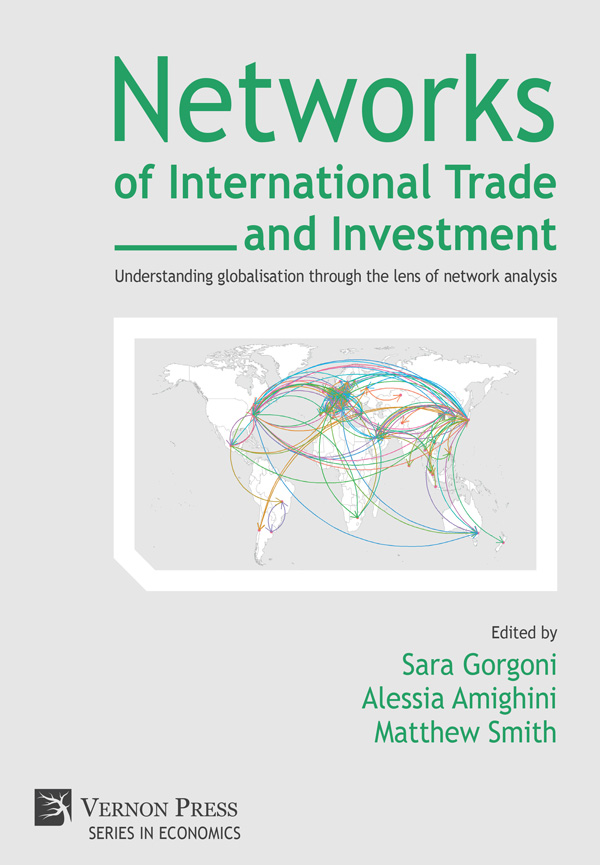
Sara Gorgoni, Alessia Amighini, and Matthew Smith (Eds.)
View more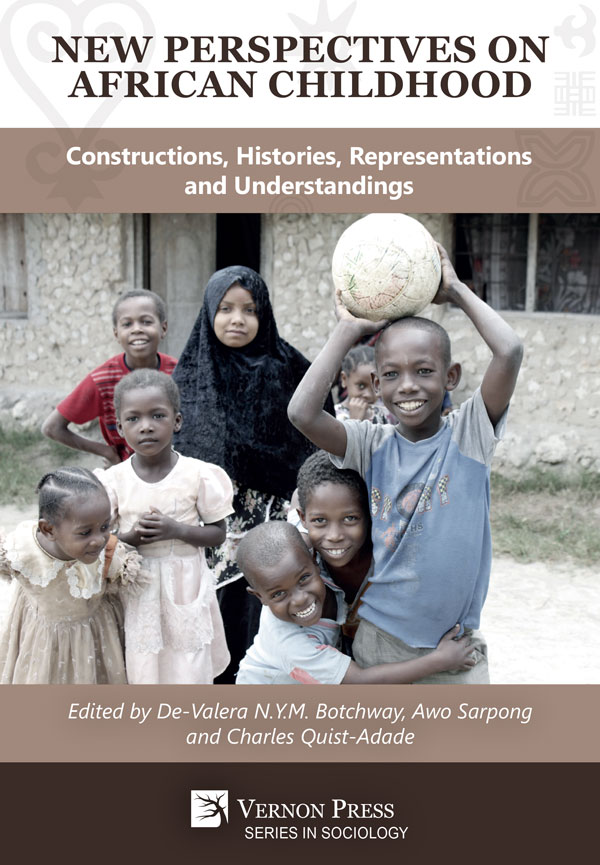
De-Valera NYM Botchway, Awo Sarpong, and Charles Quist-Adade (Eds.)
View more