Loading...
Please wait while we load the content...

Loading...
Please wait while we load the content...
Stay informed about our latest publications, calls for proposals, and special announcements. As a subscriber, you'll also enjoy exclusive member discounts of 10%-20% on all orders. Join our community of scholars, librarians, and readers today.


Availability
In stock
ISBN
9781648897672
Edition
1
Publication Date
January 2, 2024
Physical Size
236mm x 160mm
Illustrations
1 Color
Number of Pages
213
Currency
Quantity
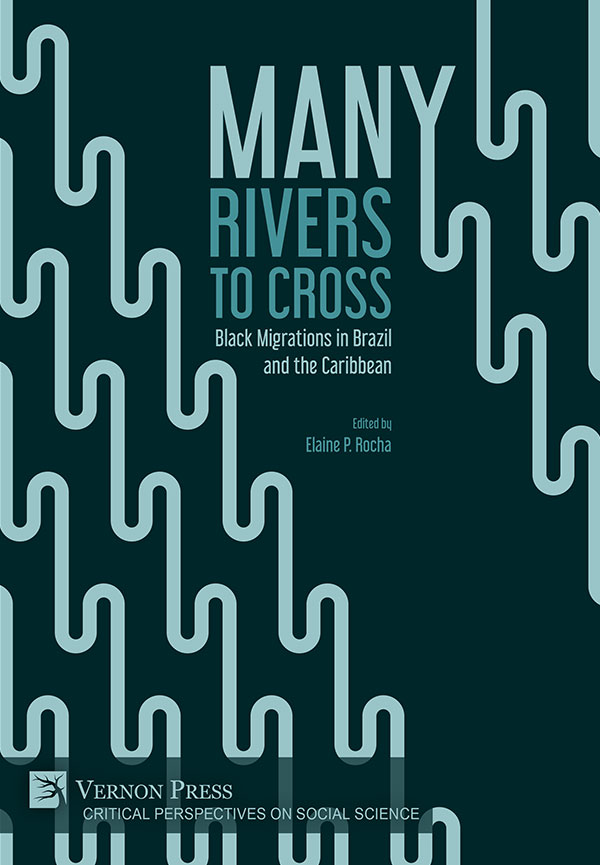
“Many Rivers to Cross” offers what might best be described as a Brazilian perspective of the Black migration in the Americas, a welcome and innovative addition to the literature. Brazil, as Elaine Rocha points out, has the largest “mixed-race” population in the world, and the book’s contributors reflect this in their research. Migration, whether voluntary or coerced, has been the history of people of African descent in the Americas, but this experience has often been taken for granted by scholars. From the slave trade era to the present, people of African descent have been on the move in the Western Hemisphere, and although the book focuses primarily on Brazil and the Caribbean, it is, like the migrants themselves, wide-ranging in its adaptability to the history of other regions. This is because the Black experiences presented in the book have echoed across time and space in the Americas with the result that “Many Rivers to Cross” will be of interest to anyone who wishes to see the African diaspora in a different light. Labour, free and unfree, is a major theme, but the book also touches on Pan-Africanism, immigration policies, geopolitics, culture, and other topics that will be familiar to students of migration. In a very broad sense, Black migrants in the Americas have been a nomadic people who carried their language, music, religion, and many other things from one end of the hemisphere to the other. With migration in the headlines on a daily basis, “Many Rivers to Cross” is a timely and enjoyable exploration of a subject that has shaped the Americas for the past five centuries.
Dr. Ronald Harpelle
Professor of Latin American and Caribbean History, International Development History, and Human Rights and Social Justice History
Lakehead University
Discover books that expand on the themes explored in this work—titles that engage with similar questions, intersecting disciplines, and complementary perspectives to deepen understanding and broaden the conversation.
Browse all titles
Isabella Sarto-Jackson
View more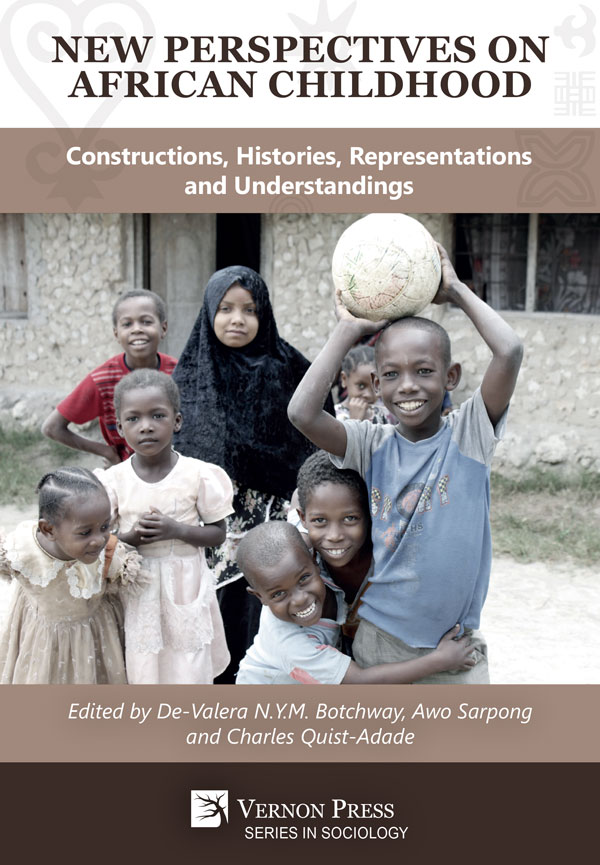
De-Valera NYM Botchway, Awo Sarpong, and Charles Quist-Adade (Eds.)
View more