Loading...
Please wait while we load the content...

Loading...
Please wait while we load the content...
Stay informed about our latest publications, calls for proposals, and special announcements. As a subscriber, you'll also enjoy exclusive member discounts of 10%-20% on all orders. Join our community of scholars, librarians, and readers today.


Availability
In stock
ISBN
9781622737598
Edition
1
Publication Date
October 6, 2020
Physical Size
236mm x 160mm
Number of Pages
116
Currency
Quantity
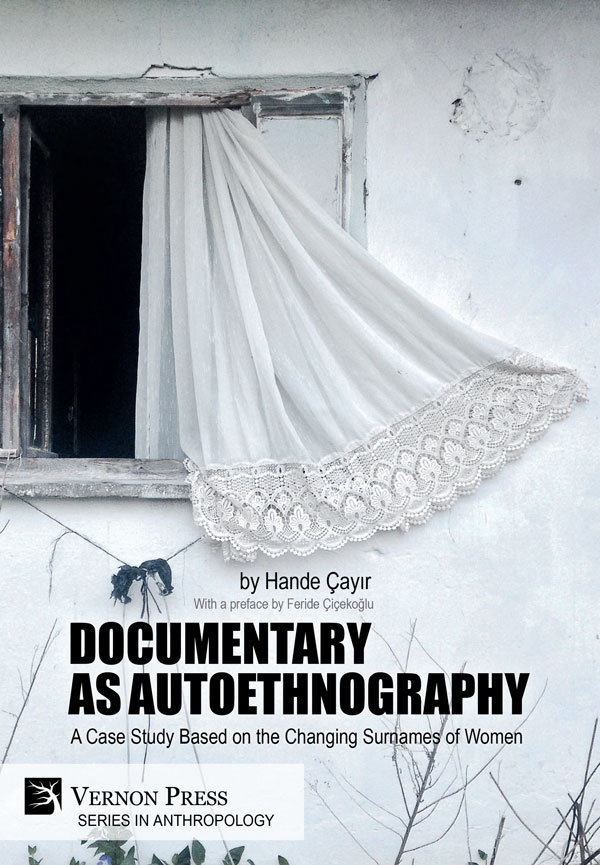
In a system where my identity, that is to say, my surname, was taken from me when I got married, an act supported by both the state and families, I simply became a wife. When I refused both that stereotype and the marital surname, I became curious about other women’s decisions. I made a politically-grounded documentary promoting individual power and shared it via old and new media. The seventeen-minute documentary Yok Anasının Soyadı (Mrs. His Name, 2012), a form of self-narrative that places the self within a social context, had an impact on the community and created a collaborative meaning. My filmmaking experience spread the seeds, gave birth to this book, created a researcher—me, in this case—and as such, ‘theory in practice’ and ‘practice in theory’ go hand-in-hand. Women in Turkey are legally required to change their surnames when they marry and divorce. If they want to continue using their ex-husband’s surname after the divorce, they must seek permission from both him and the state. Has this unfair policy affected women financially? Has the forced surname change been a barrier for women’s careers? What about the protection of equal legal, social and economic rights? Autoethnographic researchers analyse their subjectivity and life experiences, in which they treat the self as ‘other’. This examination of social-cultural structures also calls attention to the issues of power. The interdisciplinary nature of this enquiry highlights the crucial human rights debate of the link between surnames and identity, and also focuses on the feminist maxim ‘the personal is political’. In short, the private inevitably became public in a process that bridged the autobiographical, personal, cultural, social and political. I believe that eventually—through this process—my story became (y)ours.
Discover books that expand on the themes explored in this work—titles that engage with similar questions, intersecting disciplines, and complementary perspectives to deepen understanding and broaden the conversation.
Browse all titles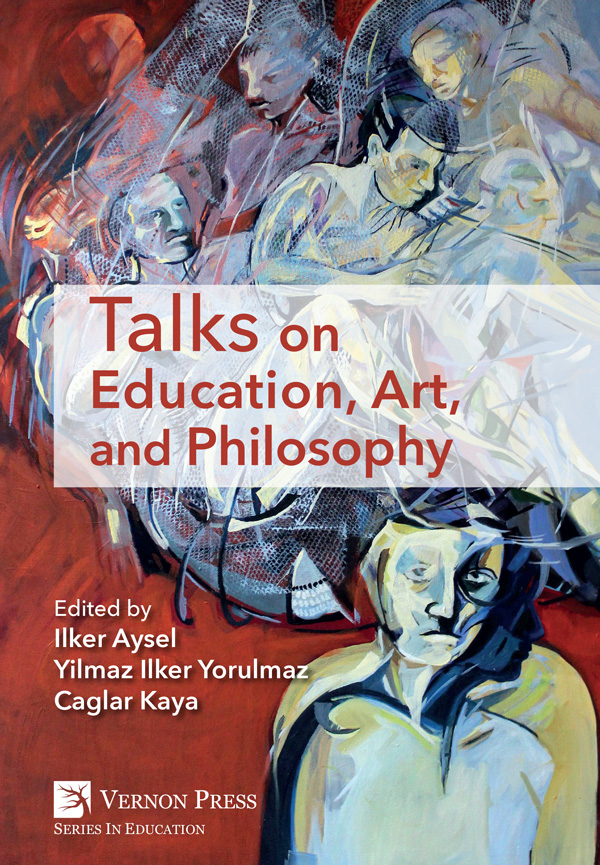
İlker Aysel, Yilmaz İlker Yorulmaz, and Kaya Caglar (Eds.)
View more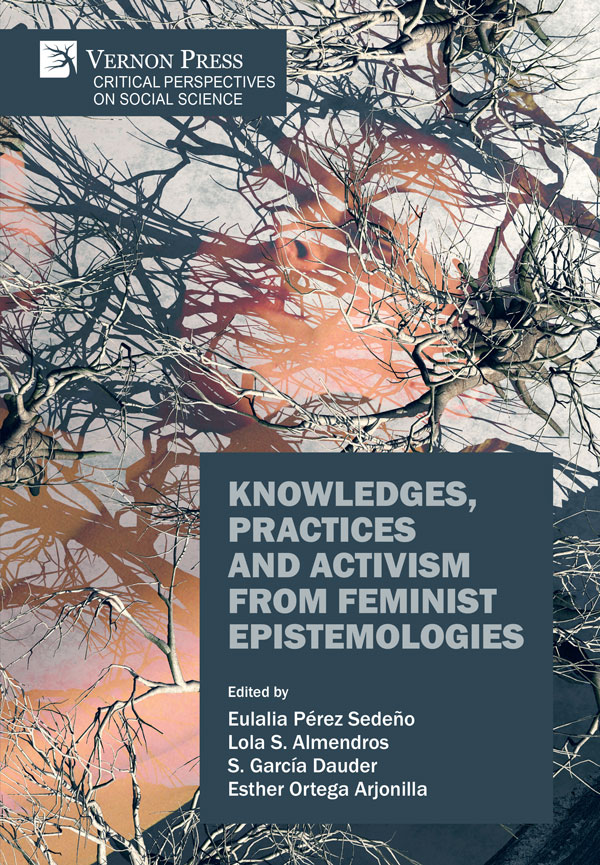
Eulalia Pérez Sedeño, Lola S. Almendros, S. García Dauder, and Esther Ortega Arjonilla (Eds.)
View more