Loading...
Please wait while we load the content...

Loading...
Please wait while we load the content...
Stay informed about our latest publications, calls for proposals, and special announcements. As a subscriber, you'll also enjoy exclusive member discounts of 10%-20% on all orders. Join our community of scholars, librarians, and readers today.


Availability
In stock
ISBN
9781622737420
Edition
1
Publication Date
January 16, 2020
Physical Size
236mm x 160mm
Number of Pages
299
Currency
Quantity
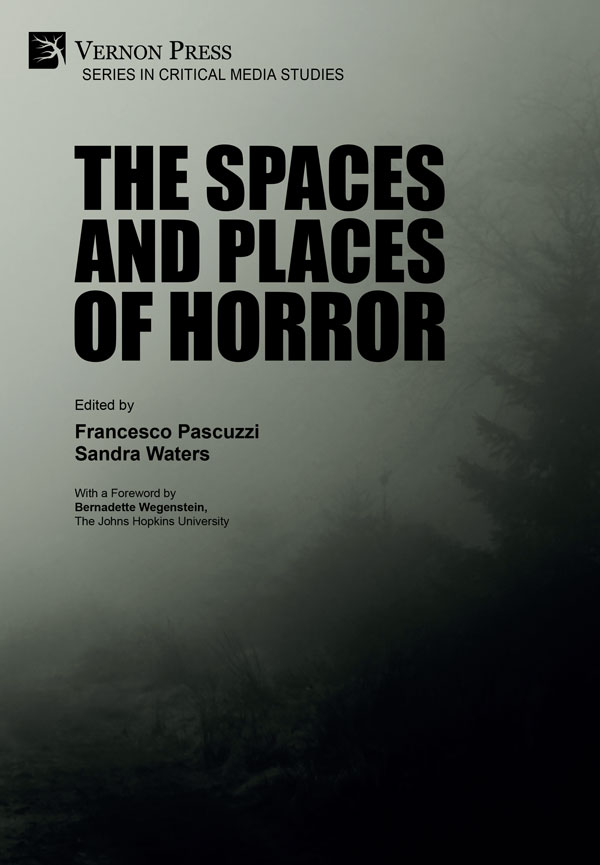
“The Spaces and Places of Horror” provides new theoretical insights into the horror film genre. This volume deeply enriches the scholarly literature on the genre, which has historically relied on its social and cultural ramifications, its depictions of sex and gender, or its highly structured modes of narration. Most importantly, this volume addresses a lacuna in the literature. Although there is a vast literature on the horror genre, its narrative mode, and its evolution across the decades, there are no comprehensive studies on the coding of space and place within the tradition of the genre alongside its cultural, political, and formal underpinnings. The first section of the volume, “Spaces,” considers different instances of tension between literal and abstract spaces: bodies and structures are often placed in antagonistic opposition. The second section, “Places,” examines geographical and geopolitical instances of horror as it pertains to a nation, city, political body, or confined location. The articles included in this volume present innovative theoretical findings. For instance, it proposes the concept that horror movies rely on the cinematic process of identification between audience and characters and the idea that binary oppositions and dramatic juxtapositions function in these texts to evoke fear and disembodiment.
This book will appeal to a sizable audience because this genre engages audiences like no other genre. From the classic novel to the latest slasher flick, horror films confront the innate fears and vulnerabilities of generations of readers and viewers across the centuries. The thrill and exhilaration generated by a terrifying story not only excite the senses but also raise important questions about safety, justice, suffering, and other human concerns. The growing interest in horror films is paired with the proliferation of theoretical work on this genre, and this book addresses a lack that will be of great relevance.
Prof. Dr. Annachiara Mariani
The University of Tennessee, Knoxville
As someone who regularly teaches a class on the horror film, I can say that I found [it] to be especially useful insofar as they provide accounts of important recent trends and cycles within the horror genre, and as they revise our understanding of some of the key theoretical paradigms in horror studies.
Prof. Dr. Christopher Sieving
Department of Theatre & Film Studies
University of Georgia
Discover books that expand on the themes explored in this work—titles that engage with similar questions, intersecting disciplines, and complementary perspectives to deepen understanding and broaden the conversation.
Browse all titles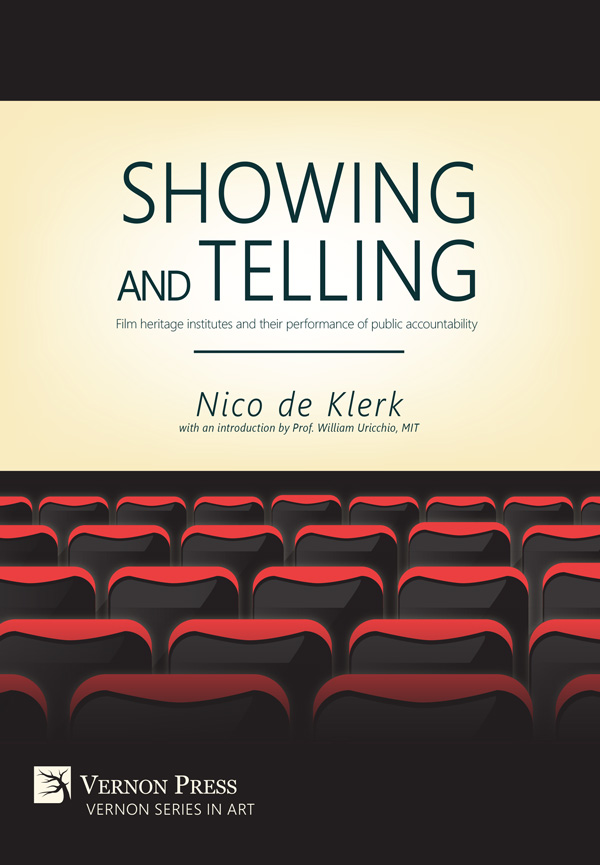
Nico de Klerk
View more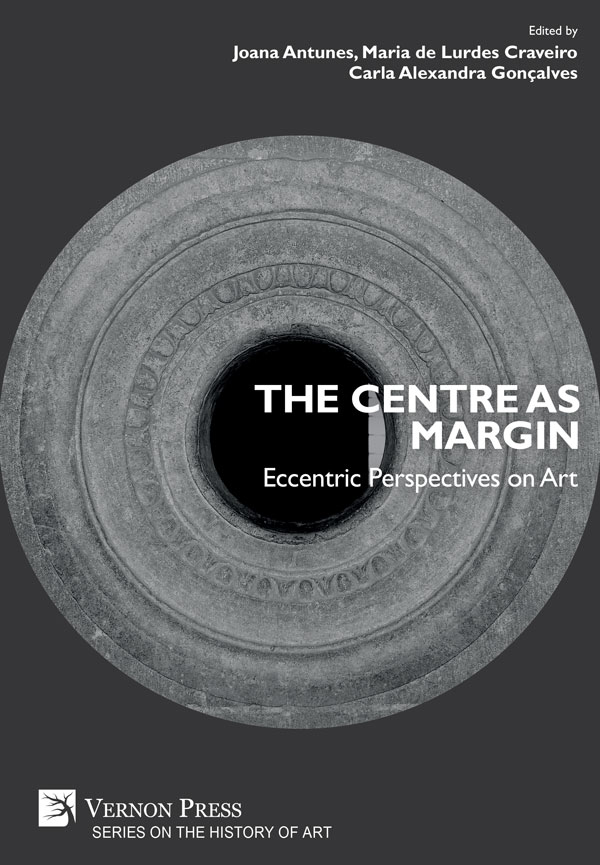
Joana Antunes, Maria de Lurdes Craveiro, and Carla Alexandra Gonçalves (Eds.)
View more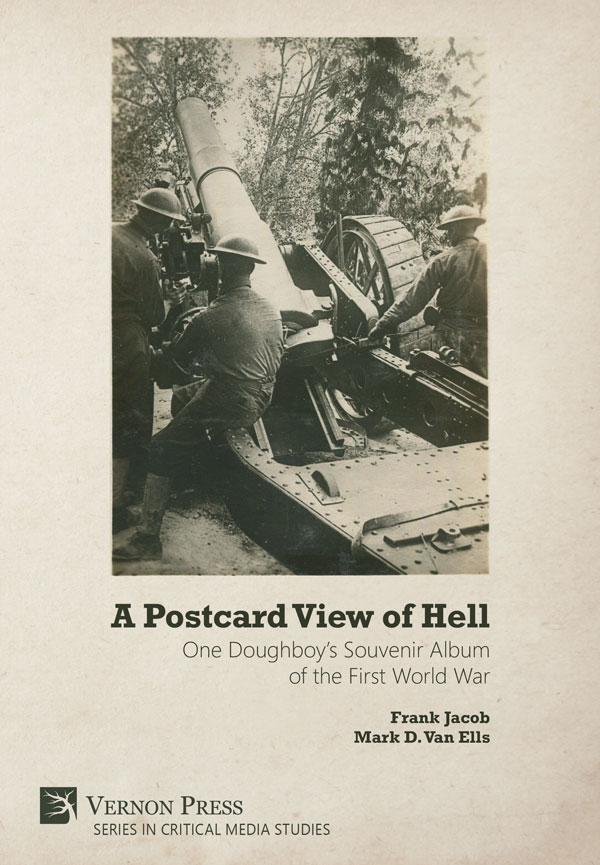
Frank Jacob and Mark D. Van Ells
View more
Peter Swirski and Tero Eljas Vanhanen (Eds.)
View more


