Loading...
Please wait while we load the content...

Loading...
Please wait while we load the content...
Stay informed about our latest publications, calls for proposals, and special announcements. As a subscriber, you'll also enjoy exclusive member discounts of 10%-20% on all orders. Join our community of scholars, librarians, and readers today.

Availability
In stock
ISBN
9781622730643
Edition
1
Publication Date
March 31, 2017
Physical Size
236mm x 160mm
Number of Pages
192
Currency
Quantity
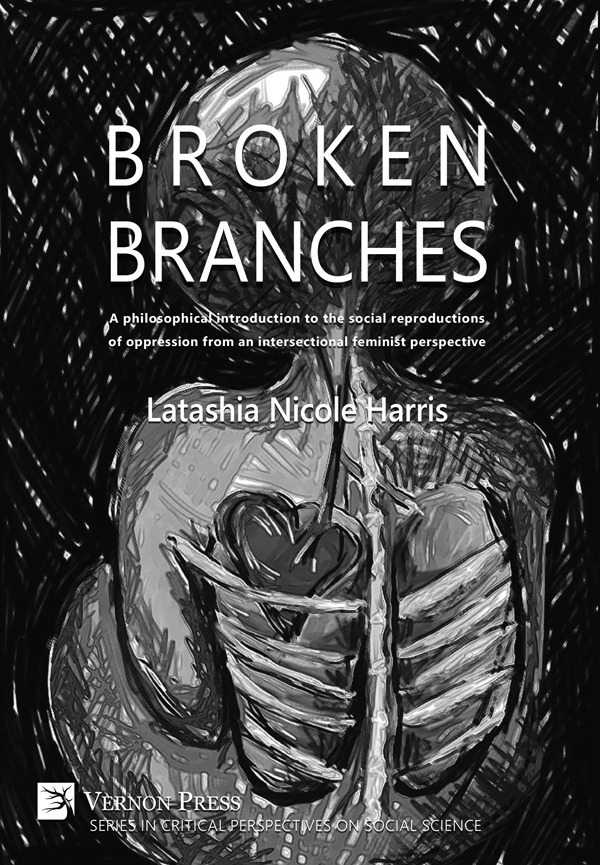
"“Broken Branches: A philosophical introduction to the social reproductions of oppression from an intersectional feminist perspective” by Latasha Nicole Harris explores identity and its relationship to power from an intersectionality theoretical perspective. The crux of the author’s argument appears to be grounded in the cross-disciplinary concept of marginalized socialization (social exclusion). This marginalization does not permit individuals and social groups to reach their full potential (self-actualization); thereby, placing them in the undesirable and untenable state of merely surviving when the true goal should be empowerment. The book devotes considerable attention to the root nature of reality and human experiences in an environment of unequal power relationships fostered over hundreds of years from generation to generation. Race and gender are aspects of identity that are explored deeply; however, other identifiers are covered as well.
Intersectionality theories purport to offer solutions for societal ills. Feminist and racial conflict theories, from myriad perspectives, define equality through the lens of gender and race. The author offers numerous historical examples, inclusive of documentation from subject-matter experts to support the author’s basic premise. Regardless of what one thinks about the tenets of intersectionality, racial conflict, and or feminist theories, the book contributes to the discussion of power relationships in a systematic and clear manner.
The author concludes that the socially marginalized cannot afford to be complicit in this marginalization anymore. While this is not a novel approach to analyzing and understanding power relationships, it is delivered with passion and detail. In the final analysis, the author argues that the socially marginalized must define themselves and write their own stories."
Elsie M. Barnes,
Norfolk State University
Discover books that expand on the themes explored in this work—titles that engage with similar questions, intersecting disciplines, and complementary perspectives to deepen understanding and broaden the conversation.
Browse all titles