Loading...
Please wait while we load the content...

Loading...
Please wait while we load the content...
Stay informed about our latest publications, calls for proposals, and special announcements. As a subscriber, you'll also enjoy exclusive member discounts of 10%-20% on all orders. Join our community of scholars, librarians, and readers today.


Availability
In stock
ISBN
9781622730599
Edition
1
Publication Date
April 11, 2016
Physical Size
236mm x 160mm
Number of Pages
284
Currency
Quantity
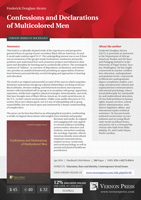
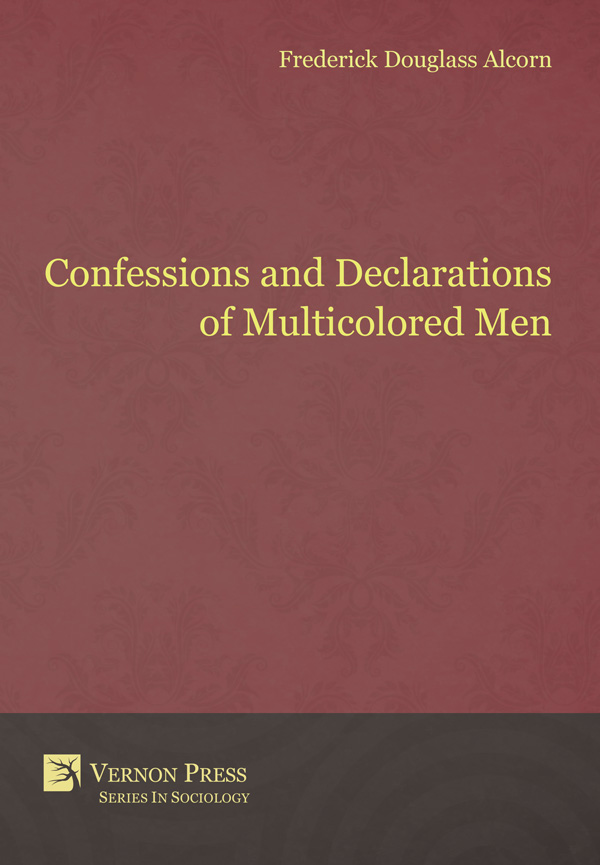
This book is a culturally situated study of the experiences and perspective garnered from of a group of post-secondary Black African American, bi-multi-racial male students aged 19-37. The undergirding interest was to see if there was an awareness of the group's manly inclinations, tendencies and predispositions and understand how such awareness projects and influences their quest and discipline for learning and to academically achieve. The sociological construct of "habitus", as conveyor of dispositions, inclinations, and tendencies, provides an analytical framework permitting an appreciation of interactions between personal identity, social belonging and approaches to learning and education. The result is an original and powerful account of the ways in which unspoken dominant mainstream intergroup cultural relationships, involving social-political attitudes, decision making, and behavioral reactions and responses, interact with internalized self-in-group or in ascription with group, oppression, repression, intellectual-cognitive-physical strategies, determination, and work, that have brought men of Black African American, bi-multi-racial descent, in the U.S., to their current social position. Unlike some public discourse in U.S. society, this is not a blame game, nor is it one of relinquishing self or group responsibility, but one based upon and motivated by a deeper understanding of complex facts. The prose can be best described as an ethnographical narrative, synthesizing a wealth of original observations with insights from scholarly and popular literature and media. Its original and engaging style may appeal to a broad audience including postsecondary educators and students, researchers studying the sociology of gender, African American identity, intercultural relational communications, student services, social work, and social psychology as well as mental and physical healthcare practitioners.
Discover books that expand on the themes explored in this work—titles that engage with similar questions, intersecting disciplines, and complementary perspectives to deepen understanding and broaden the conversation.
Browse all titles