Loading...
Please wait while we load the content...

Loading...
Please wait while we load the content...
Stay informed about our latest publications, calls for proposals, and special announcements. As a subscriber, you'll also enjoy exclusive member discounts of 10%-20% on all orders. Join our community of scholars, librarians, and readers today.
Availability
In stock
ISBN
9798881902667
Edition
1
Publication Date
May 27, 2025
Physical Size
236mm x 160mm
Number of Pages
134
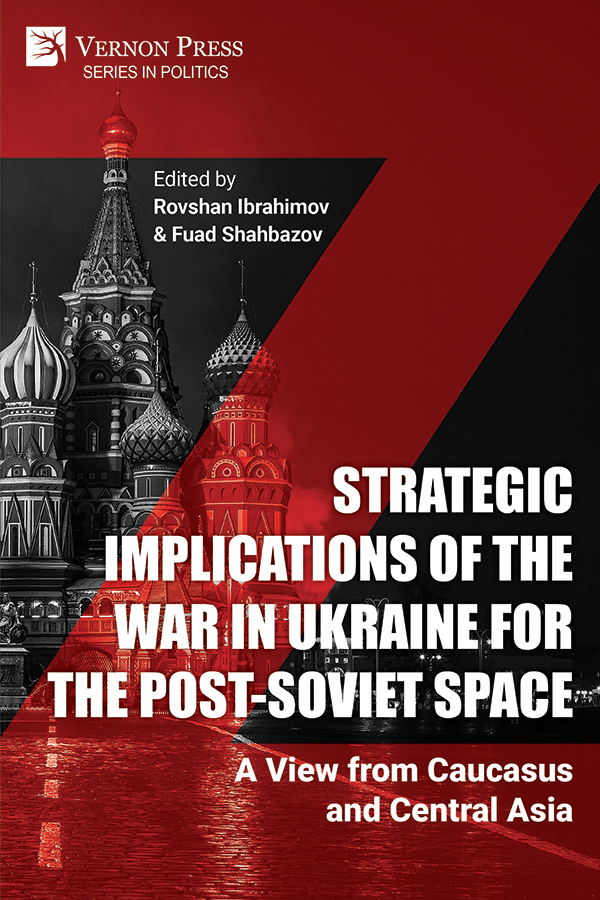
Acknowledging that Russia’s war in Ukraine has been a game changer in European security affairs is becoming a truism. It is, therefore, very fashionable in the West to write academic books and articles on how this war is reshaping the security and defence strategies of key actors: the US, EU, NATO, European states, and Russia. Conversely, this book sheds light on how several post-Soviet states from the Caucasus and Central Asia perceive the devastating war in Ukraine and how they are striving to adjust their foreign and security policies to the ensuing challenges and opportunities emerging in their regions. On the one hand, they are keen to defend their post-Soviet statehood, national sovereignty and independence in a shifting world order increasingly marred by great power competition and conflict. On the other hand, they must reconfigure their bilateral relations and multilateral platforms for regional cooperation to strengthen their socio-economic development, and to protect national identities. The value added by this book is built upon the unique insights of regional experts in how those states are coping with the strategic implications of the sweeping geopolitical changes triggered by the war in Ukraine in both Europe and Eurasia.
Dr. George Vlad Niculescu
Head of Research
The European Geopolitical Forum, http://gpf-europe.com
This timely and analytically rich volume offers a critical regional perspective on the geopolitical impact of the Russo-Ukraine war across the South Caucasus and Central Asia. By situating the war’s consequences within broader international dynamics and the specific foreign policy adjustments of small and mid-sized states, the book significantly contributed to our understanding of how regional actors respond to major global crises. It stands out for its nuanced treatment of shifting alliances, emerging cooperation platforms, and energy-related developments, and it will serve as an essential reference for scholars and practitioners of the South Caucasus and Central Asia geopolitics.
Dr. Agha Bayramov
Department of International Relations and International Organisation
University of Groningen, Netherlands
Discover books that expand on the themes explored in this work—titles that engage with similar questions, intersecting disciplines, and complementary perspectives to deepen understanding and broaden the conversation.
Browse all titles


