Loading...
Please wait while we load the content...

Loading...
Please wait while we load the content...
Stay informed about our latest publications, calls for proposals, and special announcements. As a subscriber, you'll also enjoy exclusive member discounts of 10%-20% on all orders. Join our community of scholars, librarians, and readers today.


Availability
In stock
ISBN
9781648891052
Edition
1
Publication Date
July 16, 2024
Physical Size
236mm x 160mm
Illustrations
56 Color
Number of Pages
236
Currency
Quantity
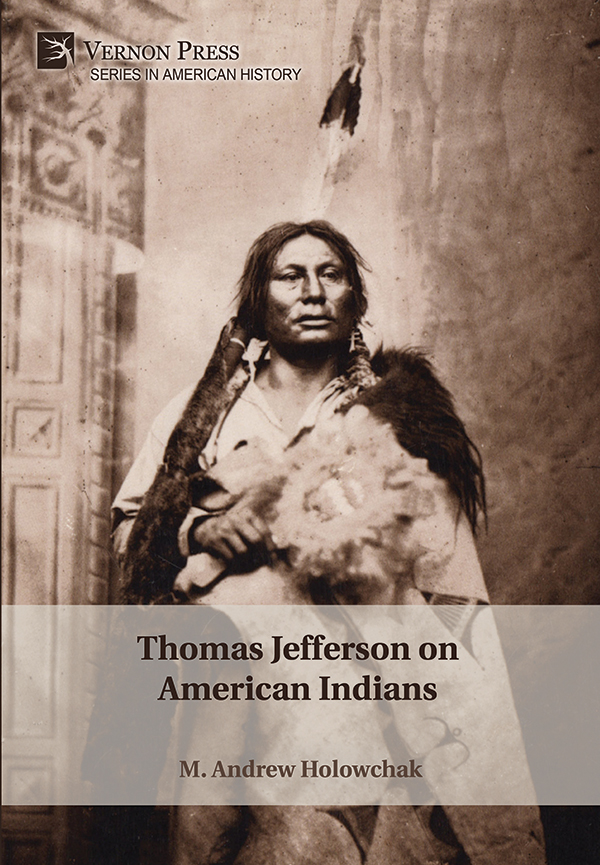
Jefferson’s views on Indians were characterized by ambivalence. Jefferson both loved and hated Native Americans, because he loved Native Americans. Jefferson was, through his father Peter, exposed early on and directly, though likely infrequently, to mysterious but congenial Indigenes, and he came to respect profoundly their courage, physical endurance, artistry, integrity, and most importantly, their large love of liberty, even if they were “uncivilized.” So impressed by Indians' culture was Jefferson that he made their nature and culture objects of study in his ‘Notes on Virginia.’ Though uncivilized, Indians showed marked signs of being readily civilizable. Thus, Jefferson, qua politician and philosopher, hoped that they would mix their blood with Whites and become part of what he saw as a great American “empire for liberty.” Miscegenation meant integration, willful or by force, into American culture and abandonment of Aboriginal ways and their radically different way of seeing the land upon which they lived, which Natives could only grudgingly accept. Was Jefferson’s Indian policy, though guided by true concern for their wellbeing, genocidal? This book ultimately aims to answer that question.
Discover books that expand on the themes explored in this work—titles that engage with similar questions, intersecting disciplines, and complementary perspectives to deepen understanding and broaden the conversation.
Browse all titles