Loading...
Please wait while we load the content...

Loading...
Please wait while we load the content...
Stay informed about our latest publications, calls for proposals, and special announcements. As a subscriber, you'll also enjoy exclusive member discounts of 10%-20% on all orders. Join our community of scholars, librarians, and readers today.


Availability
In stock
ISBN
9781648897917
Edition
1
Publication Date
January 2, 2024
Physical Size
236mm x 160mm
Number of Pages
147
Currency
Quantity
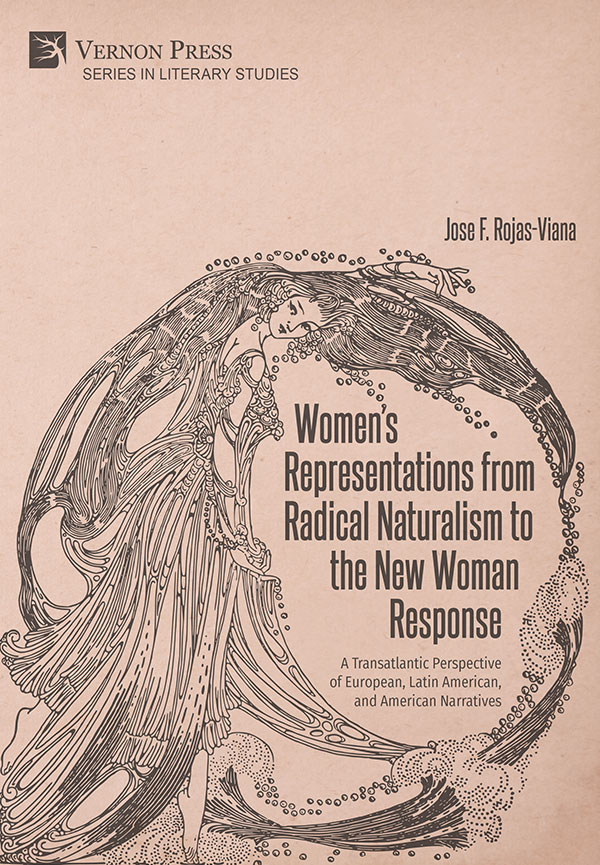
The cosmopolitan turn of the twentieth century saw, among many modernizing changes, the feminist “first wave” that opened space for women to wear trousers, smoke, drive, ride bicycles, repair their vehicles, vote, and develop careers. Naturalist writers like the early feminist Emilia Pardo Bazán had developed social critiques in a pessimistic key, highlighting the ways misfortune or rebellion doomed women characters to exile and marked them for death. Pardo Bazán herself, however, and some of the other writers José F. Rojas studies here, also produced another kind of tale, in which the non-conforming woman is no longer relegated to hospital or brothel but strides down modern boulevards unvanquished. This intriguing study invites us to reread Pardo Bazán and Thomas Hardy, Sarah Grand, Federico Gamboa, and more, paying attention to their critical essays and other lesser-known work as well as the major novels. These observations and analyses are still current in many ways, and the agility of these writers is still to be admired.
Dr. Leslie Bary
Dep of Moden Laguages,
University of Louisiana at Lafayette
Discover books that expand on the themes explored in this work—titles that engage with similar questions, intersecting disciplines, and complementary perspectives to deepen understanding and broaden the conversation.
Browse all titles
Eulalia Piñero Gil and María Laura Arce Álvarez (Eds.)
View more