Loading...
Please wait while we load the content...

Loading...
Please wait while we load the content...
Stay informed about our latest publications, calls for proposals, and special announcements. As a subscriber, you'll also enjoy exclusive member discounts of 10%-20% on all orders. Join our community of scholars, librarians, and readers today.


Availability
In stock
ISBN
9781648890178
Edition
1
Publication Date
February 28, 2025
Physical Size
236mm x 160mm
Number of Pages
204
Currency
Quantity
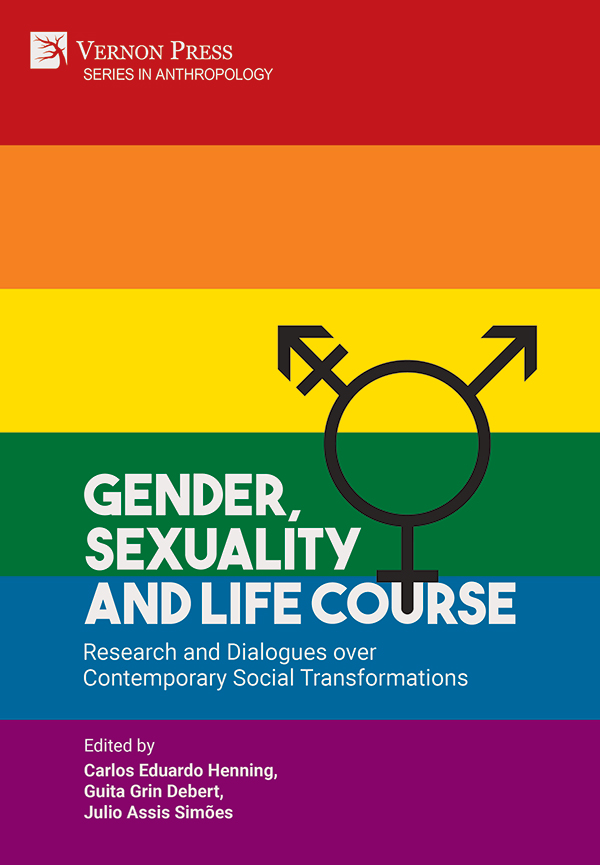
The readers have in hands a book organized by three of the most distinguished Brazilian scholars on the topics of gender, sexuality, intergenerational relationships and its intersections. Written in a way to appeal various audiences, this book deals with subjects as gerontology, aging in gay men communities; childhood and adolescence in the memories and narratives of gay men in Mexico; age and eroticism of women homo-affective relations; expansion of LGBTIQ elder organizations; old age and masculinity; narratives of childhood and adolescence in Rio de Janeiro favelas; care among transgender and travesties sex workers and the movement of Feminization in sex shops. As the authors show up, the socio-anthropological analysis of life course is not recent; but has been a significant expansion of the debate in recent years. This anthology is an eloquent proof of it. The current notions of “Gay aging” or “LGBT aging”, spread light of recent strategies of political visibility in different contexts. Also points out that what used to be seen as a mere biological process, in reality, is a complex symbolic elaboration.
“Gender, Sexuality and Life Course” also presents an important range of investigations on the topics of class, race, generation, ethnicity, corporality, age and other social markers of difference that have the capacity of building normativities, but also forms of discrimination and hierarchies. The result is a book that not just enrich academic and activist debates, but also helps to imagine and build public policies in this historical moment when the civil rights agenda are under serious attack. With a renovated anthropological approach, the book presents an important panorama, of recent investigations in Brazil and Spanish- speaking Latin America.
Prof. Lilia K. Moritz Schwarcz
University of São Paulo, Brazil; Princeton University
Discover books that expand on the themes explored in this work—titles that engage with similar questions, intersecting disciplines, and complementary perspectives to deepen understanding and broaden the conversation.
Browse all titles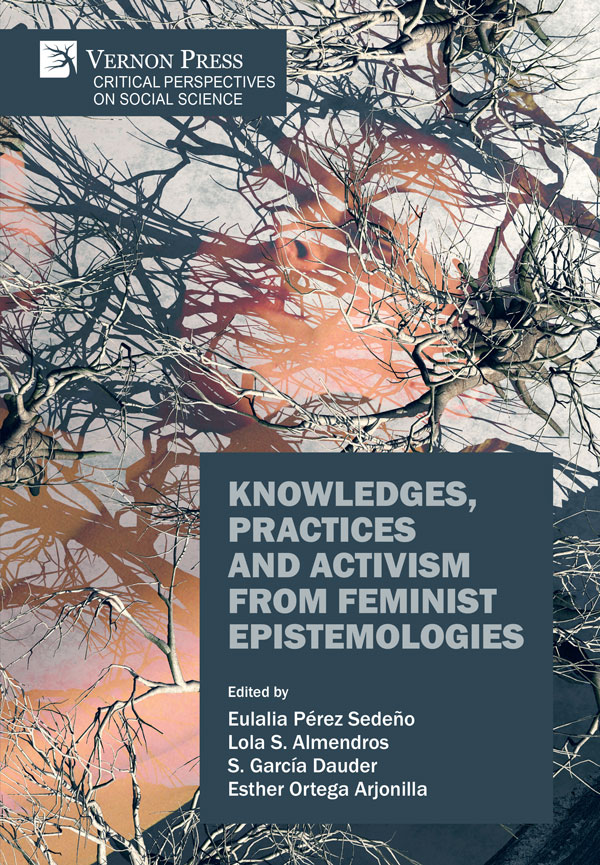
Eulalia Pérez Sedeño, Lola S. Almendros, S. García Dauder, and Esther Ortega Arjonilla (Eds.)
View more
Lisa V Mazey (Ed.)
View more
Gigi Adair and Lenka Filipova (Eds.)
View more