Loading...
Please wait while we load the content...
Loading...
Please wait while we load the content...

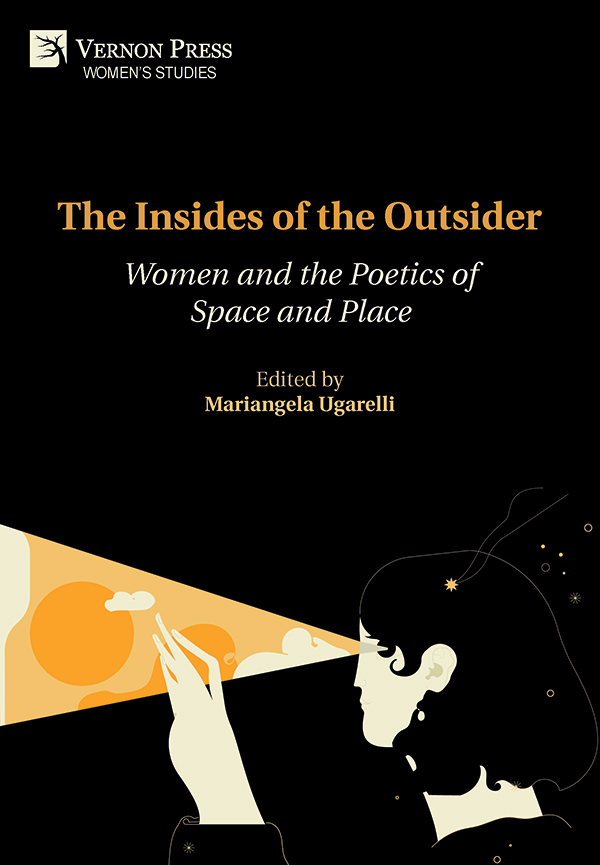
Victoria Mallorga Hernández, Liliana Galindo Orrego, Alexandra Arana Blas, Lisu Wang, Erna Anderson, Rachel Williams, Cecilia Esparza, Mariangela Ugarelli, Lauren Benjamin Mushro, Juan Diego Perez, and Jhonn Guerra Banda
When asked if being a woman had a negative impact on her ability to succeed as a writer, Argentine poet Alejandra Pizarnik stated that, even if not a physical impediment, being a woman in a patriarchal society is ‘a tragedy’ in itself. She followed this comment by saying: ‘What matters is what we do with our own tragedies’. Beyond sex assigned at birth, feminized bodies around the world share a similar phenomenological experience, which is dictated by a complicated relationship to space. Before setting pen to paper, the woman writer, a monster herself within patriarchal discourse, must confront the role society has set for her. For a writer in a feminized body, thus, the act of writing never begins with a tabula rasa but with a refusal and a challenge, an ushering out of the supposed ‘eden’ of the domestic. The question of the women-writer’s space is further exacerbated when considering matters of intersectionality. The poetics of space and place change within the confines of different geopolitical structures and their relations amongst each other. How do they shift when the center becomes de-centered and writing stems not from a place of political power but from the quieted voices of minor literature, queer and racialized bodies or subalternized latitudes? This volume will attempt to address these questions with input from a diverse group of scholars dealing with an equally diverse corpus. North and Latin America converse with Europe while ‘genre’ literature, minor literature and ‘gendered’ literatures take center stage. By taking into account a wide array of cultural objects, from poetry and children’s literature to Gothic tales and television shows, this collection of articles reveals the profound link between space and the female experience through the lens of art and literature.
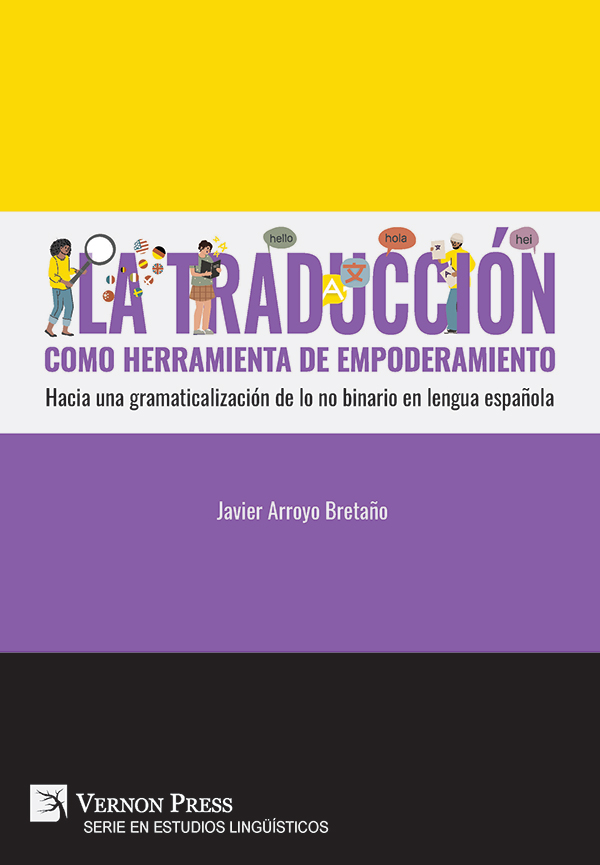
Javier Arroyo Bretaño
El contexto sociohistórico contemporáneo, gracias a los feminismos de tercera y cuarta ola y al progreso de las teorías ‘queer’, ha favorecido la puesta en duda del binarismo sexo-género. Esto, junto a la revolución comunicativa de las dinámicas de web 2.0, ha provocado que proliferen identidades al margen de lo masculino y lo femenino, englobadas bajo el concepto de lo no binario. De la mano de estas identidades ha llegado su representación dentro y fuera del ámbito de la ficción, así como el debate en torno a su expresión gramatical. En ese sentido, mientras que en lengua inglesa existen entidades académicas como el diccionario ‘Merriam-Webster’ o el ‘Cambridge Dictionary’, que las aceptan y definen, la Real Academia Española se muestra contraria a recogerlas. El conflicto surge, pues, a la hora de traducir esas realidades identitarias al español, pues no hay consenso en torno a su representación lingüística. De esta manera, dado que diversos estudios avalan tanto la capacidad de la traducción para favorecer cambios sociológicos como la relación que esto guarda con el género, la traducción se nos presenta como una herramienta poderosa a la hora de favorecer la implementación de una gramática de lo no binario: dado que hay que traducirlas, urge debatir cómo representar estas identidades emergentes. Por tanto, a través de la importación de sus narrativas, la traducción puede favorecer la instauración de las identidades no binarias en lengua española.
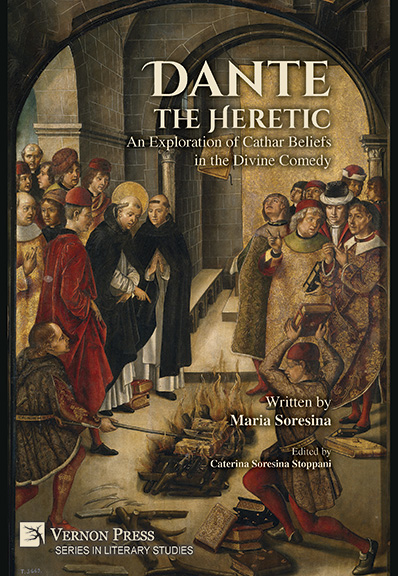
Maria Soresina
The purpose of this book is to demonstrate that Cathar doctrine is the main source of Dante's poem and to encourage readers to approach this work with fresh eyes, beyond the interpretative frameworks that are often worn. With detailed references to Dante's text, persuasive arguments, lucid and concrete exposition, and a direct and easy-to-follow style, Maria Soresina progressively presents the links between the ‘Divine Comedy’ and Catharism, which she has been investigating since the end of the last century. The text analyzes Cathar characters with respect to the doctrine. The Cathars were Christians, but their beliefs were very different from those of the Catholic Church. The author analyzes their philosophy, followed by verses of Dante that demonstrate agreement with it and distance from the Catholic Church. In addition to the great doctrinal questions, there are many Cathar beliefs and customs, all of which, such as their being vegetarians, find precise confirmation in the verses of the ‘Divine Comedy’. The Cathars had only one sacrament, the ‘consolamentum’. A long chapter is dedicated to demonstrating that Dante's journey through Purgatory corresponds to the various phases of this sacrament, within which the figure of Beatrice has a particular meaning, a woman whom Dante probably never met and never loved. This text offers non-Italian-speaking readers the chance to engage with these interpretive theories, destabilizing the canonical criticism and forcing a re-examination of sources and historical context.
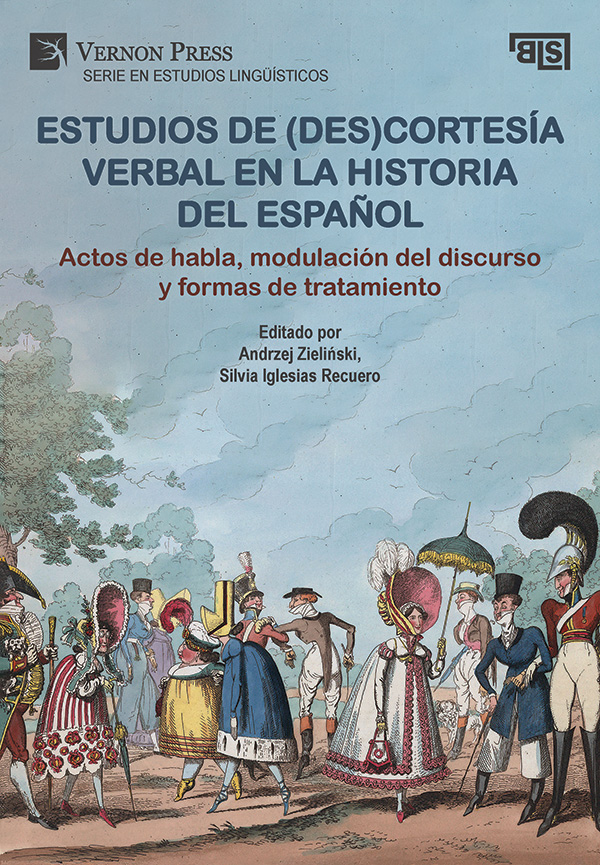
Author information not available
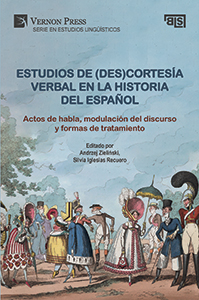
Esta monografía colectiva profundiza en diferentes estrategias lingüísticas de (des)cortesía verbal documentadas en los períodos evolutivos tradicionalmente considerados en historia de la lengua española. Los diez capítulos que constituyen el libro, cuyos autores son especialistas en la materia, ofrecen novedosas aportaciones sobre el funcionamiento de diferentes actos de habla, formas de tratamientos o modulaciones del discurso, abordados desde diferentes enfoques y aplicados en diferentes modalidades del español. De esta manera, hace una notable aportación a la reconstrucción de la historia de la (des)cortesía en español -y en italiano, puesto que hay un capítulo dedicado al análisis histórico contrastivo- y de las construcciones lingüísticas empleadas en la interacción a lo largo de los siglos, pues el arco temporal abarcado cubre desde los siglos XII al XXI. En las perspectivas de análisis diacrónico adoptadas resultan cruciales la recontextualización sociocultural de la (des)cortesía de cada época y la consideración de los géneros discursivos empleados como corpus, de modo que cobran especial relevancia para el estudio de la pragmática la organización secuencial de las interacciones orales y escritas, la tradicionalidad discursiva de las construcciones analizadas y las funciones interpersonales y de gestión de la interacción a las que sirven. Esta perspectiva sociocultural y discursiva, propia de los estudios actuales en pragmática y (des)cortesía permite un análisis esclarecedor de los fenómenos lingüísticos y discursivos abordados.
Author information not available
Esta monografía colectiva profundiza en diferentes estrategias lingüísticas de (des)cortesía verbal documentadas en los períodos evolutivos tradicionalmente considerados en historia de la lengua española. Los diez capítulos que constituyen el libro, cuyos autores son especialistas en la materia, ofrecen novedosas aportaciones sobre el funcionamiento de diferentes actos de habla, formas de tratamientos o modulaciones del discurso, abordados desde diferentes enfoques y aplicados en diferentes modalidades del español. De esta manera, hace una notable aportación a la reconstrucción de la historia de la (des)cortesía en español -y en italiano, puesto que hay un capítulo dedicado al análisis histórico contrastivo- y de las construcciones lingüísticas empleadas en la interacción a lo largo de los siglos, pues el arco temporal abarcado cubre desde los siglos XII al XXI. En las perspectivas de análisis diacrónico adoptadas resultan cruciales la recontextualización sociocultural de la (des)cortesía de cada época y la consideración de los géneros discursivos empleados como corpus, de modo que cobran especial relevancia para el estudio de la pragmática la organización secuencial de las interacciones orales y escritas, la tradicionalidad discursiva de las construcciones analizadas y las funciones interpersonales y de gestión de la interacción a las que sirven. Esta perspectiva sociocultural y discursiva, propia de los estudios actuales en pragmática y (des)cortesía permite un análisis esclarecedor de los fenómenos lingüísticos y discursivos abordados.
Coline Souilhol, Ian Fookes, Angela Giovanangeli, Florence Boulard, Jean Anderson, Anna Paini, Vlad Solomon, Lorenz Gonschor, Claire Hansen, and Louis Bousquet
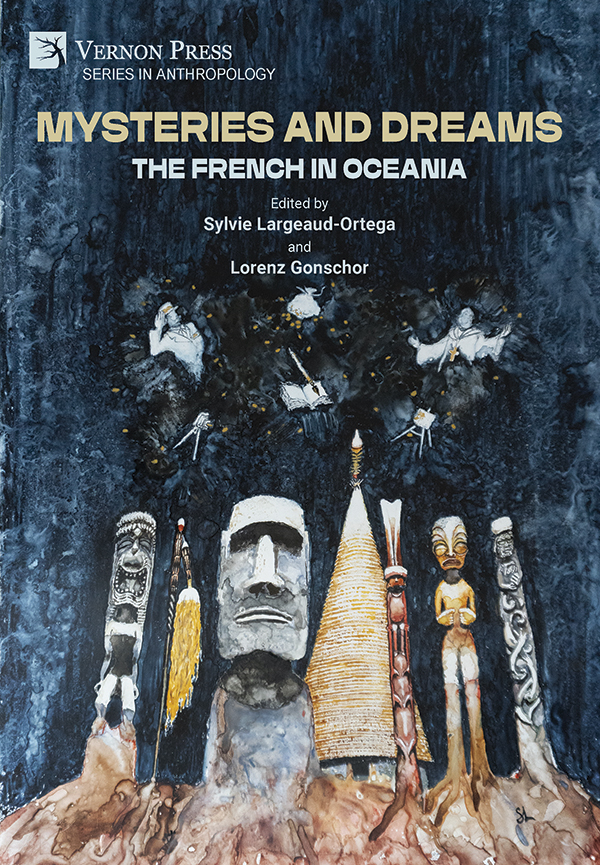
Oceania has been the source of mysteries and dreams from the first contact with Europe onwards, both for Indigenous Oceanians and outsiders. 'Mysteries and Dreams: The French in Oceania' is a collection of cross-disciplinary essays that explore the mysteries, allures and questionings raised by Indigenous Oceanians and French people about their mutually different worldviews, as well as their dreams, aspirations or disillusions as they navigate their relationships. With a strong focus on reciprocity, this original project analyzes diverse forms of French association with Oceania and the responses engendered by Indigenous communities, authors and artists as they reshape French narratives. Organized along three lines – history, literature and arts – this innovative lens offers unprecedented examinations of hitherto unexplored Oceanian and French figures involved in Oceania, bringing to the fore Marist missionary Xavier Montrouzier, influential politicians Charles de Varigny and Auguste Marques, playwrights and artists Pierre Gope and Greg Semu, and filmmakers Sima Urale and Édouard Deluc. It also offers fresh postcolonial approaches to better-known figures such as Paris Communard convicts Louis Michel and Henri Rochefort, prominent authors like Titaua Peu, Selina Tusitala Marsh, Teresia Teaiwa, Vilsoni Hereniko and Édouard Glissant, and widely-discussed artists like Yuki Kihara. It also critically engages individuals representing the colonial gaze, such as Pierre Loti, Allan Hughan and Paul Gauguin. Spanning across Oceania, from the Solomon Islands to Rapa Nui, Hawai‘i to Aotearoa-New Zealand, Tahiti and Kanaky-New Caledonia, it shows the wide impacts of the French on this vast region. Bridging together Anglophone and Francophone Oceania, this volume is an authoritative and enlightening reference to scholars and students in postcolonial Pacific Island studies, to Indigenous and non-Indigenous Oceanians wishing to discover interactive processes of change in their region’s past and present, and, more generally, to all outsiders who might, some day, have felt inclined to fall under the spell of an imaginary Oceania.
Claire Hansen, Lorenz Gonschor, Vlad Solomon, Anna Paini, Jean Anderson, Louis Bousquet, Florence Boulard, and Angela Giovanangeli
Oceania has been the source of mysteries and dreams from the first contact with Europe onwards, both for Indigenous Oceanians and outsiders. 'Mysteries and Dreams: The French in Oceania' is a collection of cross-disciplinary essays that explore the mysteries, allures and questionings raised by Indigenous Oceanians and French people about their mutually different worldviews, as well as their dreams, aspirations or disillusions as they navigate their relationships. With a strong focus on reciprocity, this original project analyzes diverse forms of French association with Oceania and the responses engendered by Indigenous communities, authors and artists as they reshape French narratives. Organized along three lines – history, literature and arts – this innovative lens offers unprecedented examinations of hitherto unexplored Oceanian and French figures involved in Oceania, bringing to the fore Marist missionary Xavier Montrouzier, influential politicians Charles de Varigny and Auguste Marques, playwrights and artists Pierre Gope and Greg Semu, and filmmakers Sima Urale and Édouard Deluc. It also offers fresh postcolonial approaches to better-known figures such as Paris Communard convicts Louis Michel and Henri Rochefort, prominent authors like Titaua Peu, Selina Tusitala Marsh, Teresia Teaiwa, Vilsoni Hereniko and Édouard Glissant, and widely-discussed artists like Yuki Kihara. It also critically engages individuals representing the colonial gaze, such as Pierre Loti, Allan Hughan and Paul Gauguin. Spanning across Oceania, from the Solomon Islands to Rapa Nui, Hawai‘i to Aotearoa-New Zealand, Tahiti and Kanaky-New Caledonia, it shows the wide impacts of the French on this vast region. Bridging together Anglophone and Francophone Oceania, this volume is an authoritative and enlightening reference to scholars and students in postcolonial Pacific Island studies, to Indigenous and non-Indigenous Oceanians wishing to discover interactive processes of change in their region’s past and present, and, more generally, to all outsiders who might, some day, have felt inclined to fall under the spell of an imaginary Oceania.
Victoria Mallorga Hernández, Liliana Galindo Orrego, Alexandra Arana Blas, Lisu Wang, Erna Anderson, Cecilia Esparza, Rachel Williams, Jhonn Guerra Banda, Juan Diego Perez, Lauren Benjamin Mushro, and Mariangela Ugarelli
When asked if being a woman had a negative impact on her ability to succeed as a writer, Argentine poet Alejandra Pizarnik stated that, even if not a physical impediment, being a woman in a patriarchal society is ‘a tragedy’ in itself. She followed this comment by saying: ‘What matters is what we do with our own tragedies’. Beyond sex assigned at birth, feminized bodies around the world share a similar phenomenological experience, which is dictated by a complicated relationship to space. Before setting pen to paper, the woman writer, a monster herself within patriarchal discourse, must confront the role society has set for her. For a writer in a feminized body, thus, the act of writing never begins with a tabula rasa but with a refusal and a challenge, an ushering out of the supposed ‘eden’ of the domestic. The question of the women-writer’s space is further exacerbated when considering matters of intersectionality. The poetics of space and place change within the confines of different geopolitical structures and their relations amongst each other. How do they shift when the center becomes de-centered and writing stems not from a place of political power but from the quieted voices of minor literature, queer and racialized bodies or subalternized latitudes? This volume will attempt to address these questions with input from a diverse group of scholars dealing with an equally diverse corpus. North and Latin America converse with Europe while ‘genre’ literature, minor literature and ‘gendered’ literatures take center stage. By taking into account a wide array of cultural objects, from poetry and children’s literature to Gothic tales and television shows, this collection of articles reveals the profound link between space and the female experience through the lens of art and literature.
Javier Arroyo Bretaño
El contexto sociohistórico contemporáneo, gracias a los feminismos de tercera y cuarta ola y al progreso de las teorías ‘queer’, ha favorecido la puesta en duda del binarismo sexo-género. Esto, junto a la revolución comunicativa de las dinámicas de web 2.0, ha provocado que proliferen identidades al margen de lo masculino y lo femenino, englobadas bajo el concepto de lo no binario. De la mano de estas identidades ha llegado su representación dentro y fuera del ámbito de la ficción, así como el debate en torno a su expresión gramatical. En ese sentido, mientras que en lengua inglesa existen entidades académicas como el diccionario ‘Merriam-Webster’ o el ‘Cambridge Dictionary’, que las aceptan y definen, la Real Academia Española se muestra contraria a recogerlas. El conflicto surge, pues, a la hora de traducir esas realidades identitarias al español, pues no hay consenso en torno a su representación lingüística. De esta manera, dado que diversos estudios avalan tanto la capacidad de la traducción para favorecer cambios sociológicos como la relación que esto guarda con el género, la traducción se nos presenta como una herramienta poderosa a la hora de favorecer la implementación de una gramática de lo no binario: dado que hay que traducirlas, urge debatir cómo representar estas identidades emergentes. Por tanto, a través de la importación de sus narrativas, la traducción puede favorecer la instauración de las identidades no binarias en lengua española.
Rebecca G. Harper, Adam Devitt, Christian George Gregory, Sherri Castillo, Jean Kaya, Kara Naidoo, Moyu Zhang, Pooneh Sabouri, Susan A. Kirch, Mona Beth Zignego, Svanborg Rannveig Jónsdóttir, Hafdís Guðjónsdóttir, Edda Óskarsdóttir, Xiali Chang, Cristina Dumitru, Karis Jones, Lillian Ardell, Mrunal Chavda, Emily Hanke van Zee, Virginia Montero, Jaskaran Dhesi, Anna Katarzyna Woźniczka, and Karen Rut Gísladóttir
Within sociocultural traditions, language, dialogue, and social literacies play an institutional role in learning and human development. Discourse practices, however, go far beyond the traditional focus of using speaking and listening to support the learning of content knowledge. Teacher discourse practices ought to promote critical literacies and linguistic practices, and promote anti-racism and social and environmental justice. Classroom discourse, however, is missing from teacher education programs on a large scale in these significant ways. Teacher educators need to understand the social and political policies, pedagogical role, and multitude of practices for helping pre-service teachers and teacher practitioners learn to acquire and facilitate quality discursive practices in K-12 schools and understand related pedagogy. This book, ‘Cultivating Dialogue, Language, and Literacy for Social Justice in Teacher Education’, offers a variety of models for integrating discourse practices and pedagogies into the field of teacher education, including pre-service teaching, professional development, and even critiques on policy and subsequent affordances and consequences that inhibit or promote the quality of teacher discourse and the purposes for which teachers utilize classroom discourse. I would recommend this book for teacher education programs as well as professional developers who work with pre- and in-service teachers. Additionally, I recommend this book for researchers committed not only to classroom discourse analysis, but to promote speaking and listening among teachers and students in ways that enhance learning and development.
Showing 1 to 10 of 450 books
Discover our comprehensive collection of scholarly works in language and linguistics. From cutting-edge research to foundational texts, find the resources you need for your academic journey.