Loading...
Please wait while we load the content...
Loading...
Please wait while we load the content...

Explore peer - reviewed titles across the humanities and social sciences - rigorous research, fresh perspectives, and scholarship that inspires dialogue across disciplines.
Stay informed about our latest publications, calls for proposals, and special announcements. As a subscriber, you'll also enjoy exclusive member discounts of 10%-20% on all orders. Join our community of scholars, librarians, and readers today.

From special discounts and global distribution partners to downloadable catalogs, flyers, and high-resolution covers, we make it easy to enrich your library’s collection. Access bibliographic data, explore subject-specific listings, and stay updated on forthcoming titles.
Become part of our librarian network and access dedicated tools, discounts, and resources to support collection development and promote new titles to your patrons.

Partner with Vernon Press to provide your customers with high-quality, peer-reviewed scholarship. We offer flexible ordering options, reseller agreements, and promotional materials to support your sales and outreach.

Vernon Press provides dedicated resources to help instructors adopt our books for courses and to support students with affordable access to high-quality scholarship. From desk and examination copies to tailored student editions, we aim to make our titles accessible in the classroom.
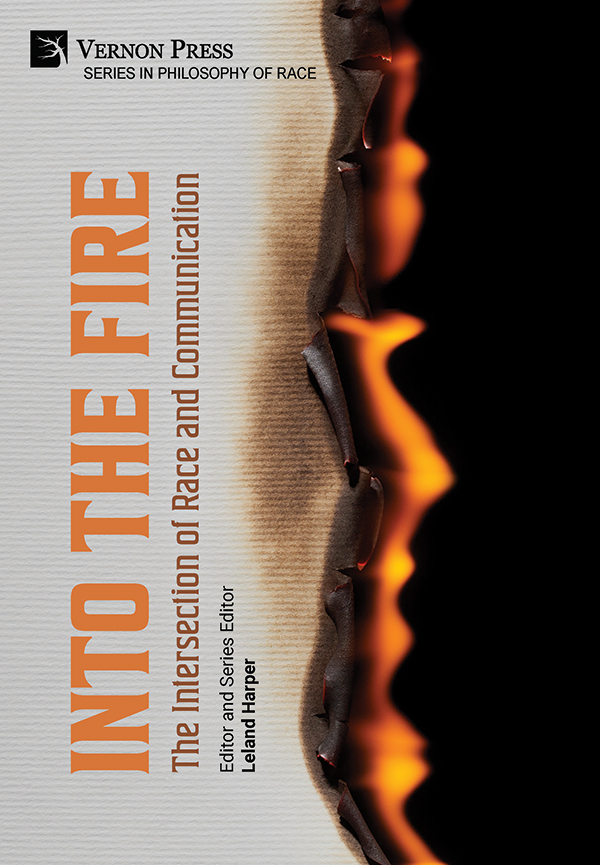
Jennifer Kling, Leland Harper, Eddy Souffrant, Joseph Frigault, Violet Victoria, Felipe E. Oliveira, Casey Rentmeester, Elizabeth LaFray, Gabriel Andrade, and Erica Preston-Roedder
Through the presentation of various perspectives, this collection of essays addresses some of the intersections of race and communication. The topics addressed include, but are not limited to, how we communicate about race, what our race communicates to others, how we can do a better job of educating others on race-related issues, and how we can better define certain terms often utilized in conversations about race. The perspectives shared in this volume contribute much-needed depth to the discussion of the philosophical and practical considerations of race and communication, broadly.
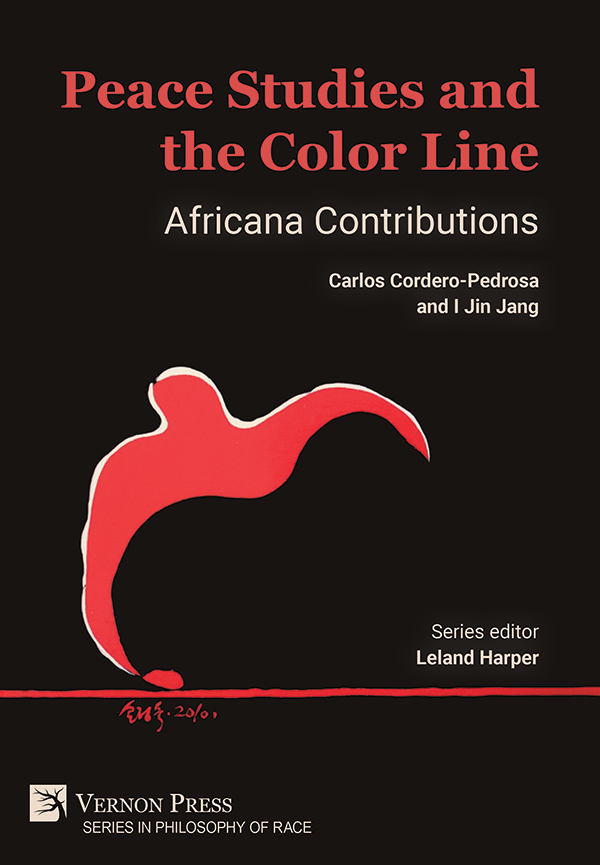
Africana Contributions
Carlos Cordero-Pedrosa and I Jin Jang
The book aims to continue and expand the conversations emerging from the margins of peace studies about race and racism, and their implications for the field. Especially drawing from the often-overlooked African diasporic critical and philosophical tradition —with an emphasis on Africana phenomenology and existentialism— the book addresses questions that are central in Africana thought yet remain under-explored in peace studies. This enables to rethink peace studies’ assumptions, conceptual frameworks, and epistemic and normative elements. Inter- or transdisciplinary dialogue requires a profound re-evaluation of what constitutes the exclusions in both knowledge and politics. This, in turn, necessitates a critical examination of the structures and organization of knowledge, a deeper understanding of the field’s identity, its foundational narratives and presuppositions, a reassessment of the relations with other disciplines and areas of knowledge, and the histories, the subjects and the forms of agency that it privileges. Taking race and racism seriously through African diasporic thought entails, among others, reconsidering the ties of peace studies with international relations and liberal political theory, bringing to the forefront the question of freedom, examining the relationship between the ethical and the political, and complicating the distinction between violence and nonviolence.
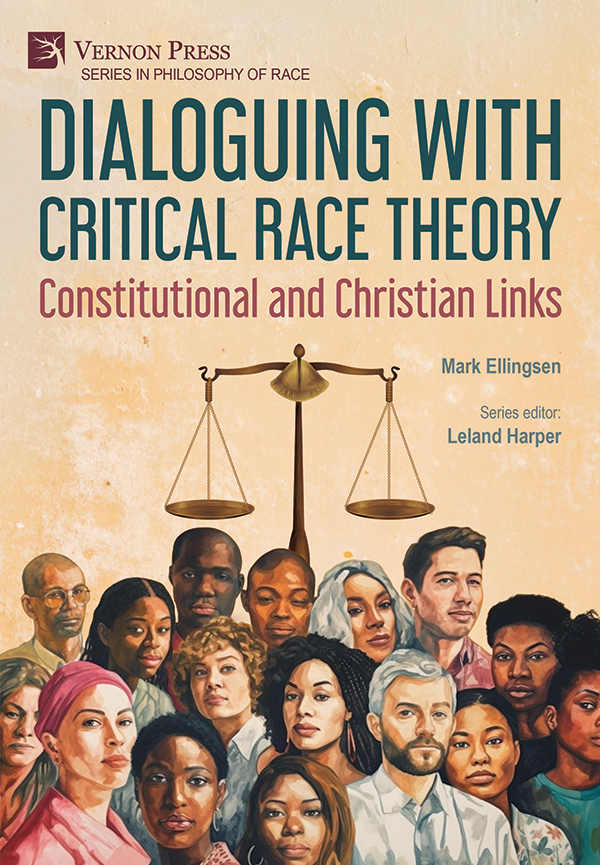
Mark Ellingsen
Critical Race Theory (CRT) is certainly a hot topic. No longer just the legal theory it was originally designed to be, it has become an icon for determining which side you are on concerning racism. Most of the loudest voices, especially in the debate about CRT in our schools, seem not to have actually studied the theory. This is a book to get you into the heart of CRT’s actual analysis and prescriptions. It’s a book to get Americans to stop all the shouting and really find out what CRT teaches. It might also contribute to getting more civility into our public discourse. Ellingsen demonstrates how in fact what Critical Race Theory teaches is in line with our Constitutional system’s realism about political solutions, suspicions of our selfishness, and the majority’s tendency to run roughshod over minorities. He also demonstrates that these commitments are consistent with Christianity’s understanding of original sin and the quest for social justice. Consequently, if critics do not want CRT taught in our schools or to be part of our public discourse, we had better stop teaching the Constitution and Christian values in our schools, to rule these commitments as out of order in our search for common values! Get ready for a stimulating, controversial, well-documented read.