Loading...
Please wait while we load the content...
Loading...
Please wait while we load the content...

Explore peer - reviewed titles across the humanities and social sciences - rigorous research, fresh perspectives, and scholarship that inspires dialogue across disciplines.
Stay informed about our latest publications, calls for proposals, and special announcements. As a subscriber, you'll also enjoy exclusive member discounts of 10%-20% on all orders. Join our community of scholars, librarians, and readers today.

From special discounts and global distribution partners to downloadable catalogs, flyers, and high-resolution covers, we make it easy to enrich your library’s collection. Access bibliographic data, explore subject-specific listings, and stay updated on forthcoming titles.
Become part of our librarian network and access dedicated tools, discounts, and resources to support collection development and promote new titles to your patrons.

Partner with Vernon Press to provide your customers with high-quality, peer-reviewed scholarship. We offer flexible ordering options, reseller agreements, and promotional materials to support your sales and outreach.

Vernon Press provides dedicated resources to help instructors adopt our books for courses and to support students with affordable access to high-quality scholarship. From desk and examination copies to tailored student editions, we aim to make our titles accessible in the classroom.
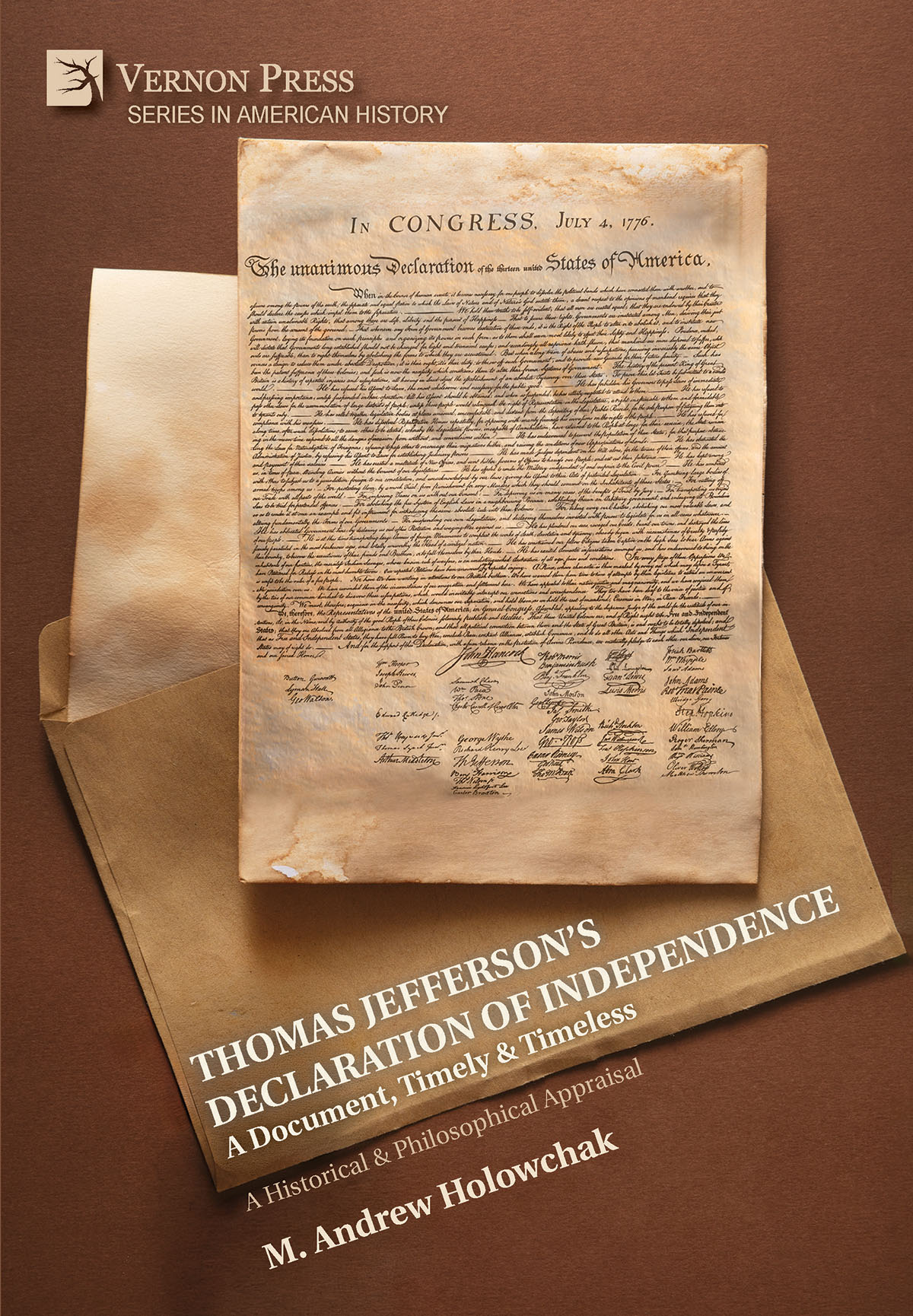
A Historical & Philosophical Appraisal
M. Andrew Holowchak
The Declaration of Independence is alive, because its sentences are crafted with elegance and concision—and the Congress much contributed to its concision—and because the author, not just the drafter, of the document captured things commonly known, yet profound, concerning human nature and human wellbeing. The Declaration of Independence, thus, is not just a proclamation to the world, of Americans’ independence and of the reasons for it, but it is also, and most singularly, a moral document that grounds a rich and robust liberal political philosophy. The bedrock of that political philosophy, argues Holowchak, is human equality, not human liberty.
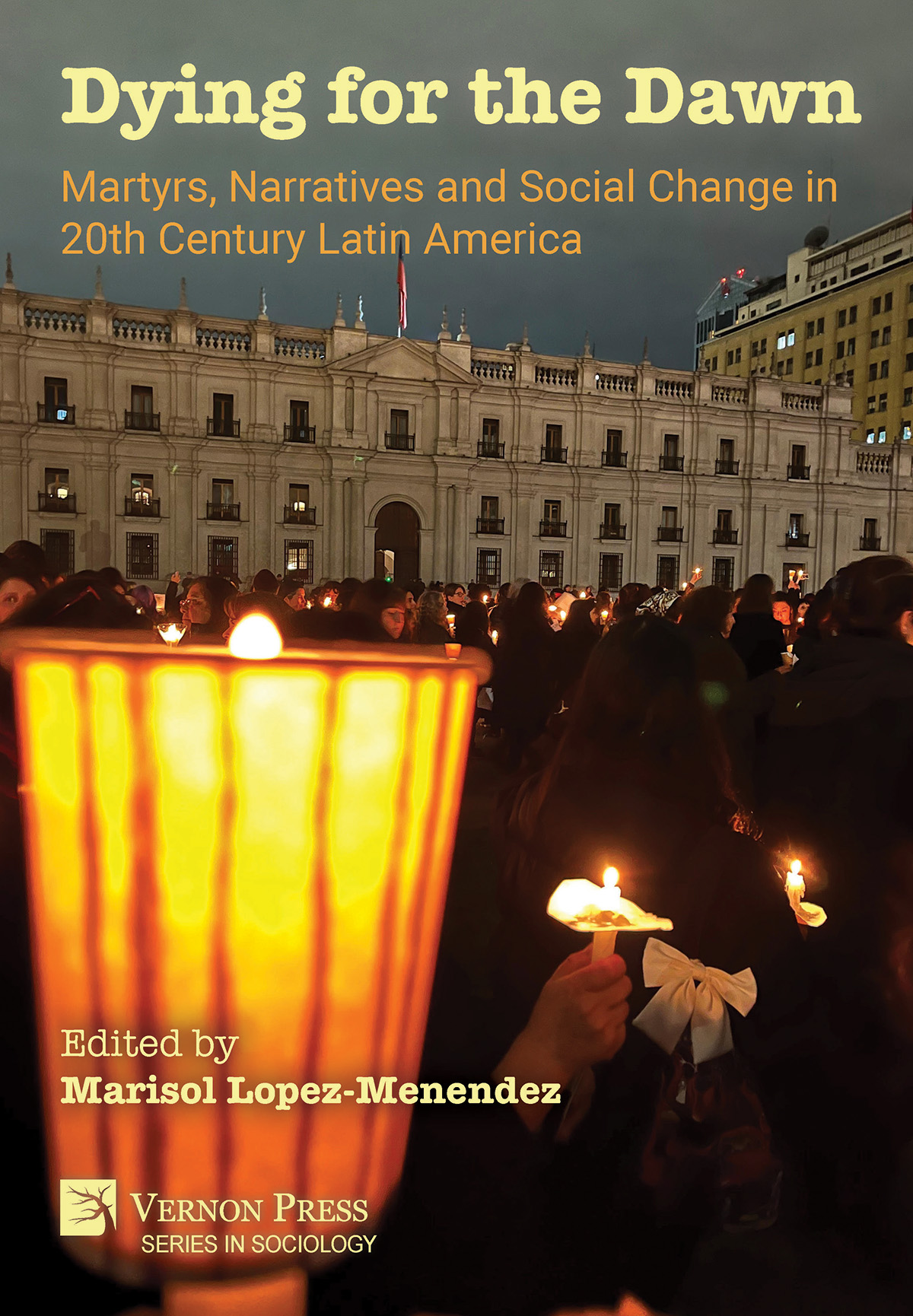
Martyrs, Narratives and Social Change in 20th Century Latin America
Marisol Lopez-Menendez, Fortunato Mallimaci, Oscar A. Castro Soto, Amilcar Carpio, Julia Young, Kristina Boylan, Andrew R. Murphy, María del Carmen Moreno-Cardenas, Paula Tesche, Yves Solis, Prepa Ibero, Boris Hau, Iliana Moreno Téllez, Gregory Swedberg, Paula Tesche Roa, Loreto Chandia Jara, Gabriel Figueroa Montero, and Eduardo Gusmao de Quadros
In a century stained by revolution, dictatorship, and neoliberal violence, ordinary men and women became extraordinary witnesses—dying so that others might live free. From the bullet-riddled Cristero battlefields of Mexico to the bloodied streets where Óscar Romero fell, from Chico Mendes’s Amazonian stand to the unmarked graves of Chile’s forgotten priests and the deadly migrant trails of today’s Via Crucis—this collection rewrites the meaning of martyrdom for our time. Edited by Marisol Lopez-Menendez, 'Dying for the Dawn' brings together leading scholars to reveal how martyrial stories are not relics of the past but living weapons: shaping politics, igniting social movements, redefining gender and memory, and challenging the very border between faith and resistance. Here you’ll meet worker-martyrs, children saints, environmental prophets, disappeared priests, and the “neo-liberal martyrs” dying at the hands of borders and cartels—figures whose deaths still fuel protests, pilgrimages, and demands for justice across Latin America and its diaspora. Blending riveting history, sharp sociology, and unflinching cultural analysis, this is the book that finally connects the dots between ancient sacrifice and today’s struggles for human rights, migration justice, and democratic dignity. Perfect for readers of liberation theology, Latin American history, religious studies, and anyone who believes that courage can outlast bullets.
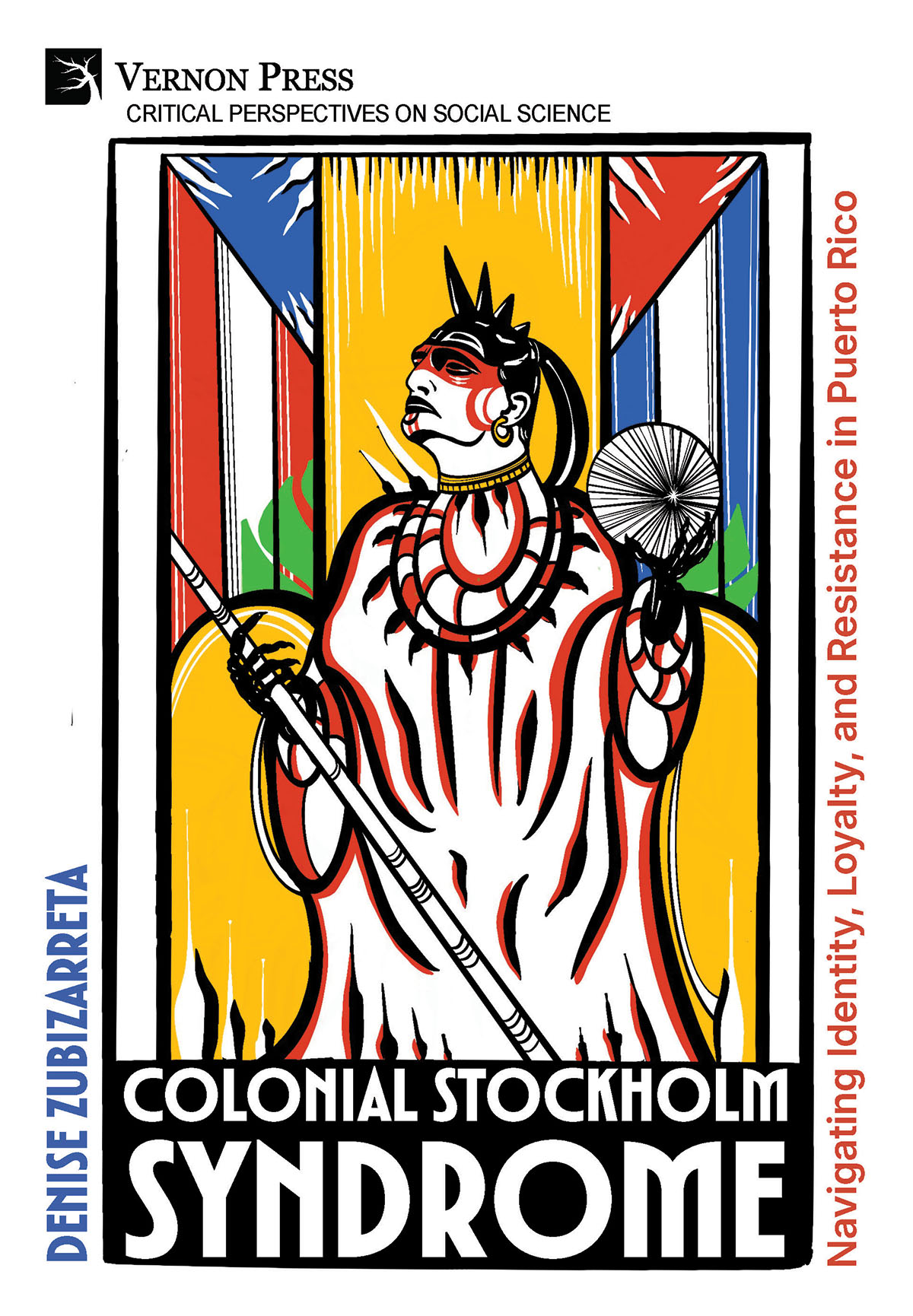
Navigating Identity, Loyalty, and Resistance in Puerto Rico
Denise Zubizarreta
'Colonial Stockholm Syndrome: Navigating Identity, Loyalty, and Resistance in Puerto Rico” by Denise Zubizarreta offers a critical examination of Puerto Rico’s enduring colonial legacy under both Spanish and American rule. This book explores the profound psychological and sociopolitical effects of centuries of colonization on Puerto Rican identity, illuminating how the island’s people have been conditioned to navigate complex loyalties and resistances in the face of systemic oppression. Through the innovative framework of Colonial Stockholm Syndrome, Zubizarreta analyzes how Puerto Ricans have historically reconciled their dual loyalties—first to the Spanish Empire and later to the United States—while confronting the ongoing challenges of inequality and dependency. The narrative delves into pivotal moments in Puerto Rican history, from the Spanish colonial era and the struggle for autonomy, to the American occupation beginning in 1898, and the current debates surrounding statehood and independence. Positioned within the broader discourse on colonialism and postcolonial studies, this work stands out for its unique approach to understanding Puerto Rico’s complex colonial history. By integrating historical analysis, personal narratives, and critical theory, Zubizarreta provides a comprehensive and accessible exploration of how colonial power dynamics continue to shape Puerto Rico’s national identity and political future. This book is an invaluable resource for scholars, students, and professionals in Latin American and Caribbean studies, political science, history, and cultural studies. It serves as a key reference for understanding the psychological and cultural dimensions of colonization, making it suitable for classroom adoption, academic research, and broader discussions on decolonization, identity, and resistance. 'Colonial Stockholm Syndrome: Navigating Identity, Loyalty, and Resistance in Puerto Rico' is an essential contribution to the literature on colonialism and its enduring impacts, offering new insights into one of the oldest colonies in the modern world.
Femicide and migration in early 20th century Barbados - Brazil
Elaine P. Rocha
'Millie Gone to Brazil' is the title of one of the most popular folk songs in Barbados. Written in the early 20th century by an unknown author, the song has travelled with Barbadian migrants to Cuba, the United States of America, Canada and England. It tells the story of a young woman – Millie – killed by her lover, who claimed that she had left Barbados to go to Brazil. This book focuses on the killings of Millicent Gittens, murdered in Barbados in 1916 and of Christine Minggs, a Barbadian immigrant murdered in Brazil in 1924. As a backdrop to those crimes, it depicts the poverty and marginality among Black populations during the post-abolition period in Barbados and Brazil, emphasizing the low status of black women and their vulnerabilities. To understand the vulnerability of Black Barbadian women. At the turn of the 20th century, economic, social and political exclusion drove thousands of people to emigrate from the small islands of the Caribbean in search of a better life. Black immigrants, although much necessary labor force, faced discrimination and limited opportunities to improve their lives, for women, life was harder. Who speaks on behalf of the dead women? In criminal processes, they are the victim, the corpse, not a person. 'Millie Gone to Brazil' sheds some light on the anonymous lives of Black people from lower classes in Barbados and examines a not well-known migration path of West Indians to the rainforest region of Brazil. Women and men struggled to make a life in Barbados and in Brazil, working, loving, building families, facing conflicts. Some survived, some perished. Scraps of their stories were registered in the pages of newspapers, in police reports, in criminal processes, and in popular songs. Some of those stories are narrated in this book.
An Englishman in the Confederate States Navy
Robert Thorp
Captain John Low (1836 -1906) earned his place in history through four years of service in the Confederate States Navy (1861-1865). He served on CSS 'Fingal', 'Florida', and 'Alabama', and commanded CSS 'Tuscaloosa' and 'Ajax'. However, it would be wrong to define the man simply by his Civil War record. His seventy-year life was full of adventures, triumphs, tragedies, and altruistic philanthropy. He led a good life and was known as a good man, respected and revered by all who knew him. This book contains a detailed account of Captain Low’s whole life from cradle to grave. Using primary source documents, not available to earlier biographers, the author delves into John Low’s life to a much greater depth than any preceding work has been able to achieve. For the first time ever, his genealogy is fully divulged, allowing previously misunderstood relationships to be challenged and corrected, and the roles of his previously unknown siblings to be fully explored. Description of his military service is based on his personal log books and the eye witness accounts of his contemporaries. Along the way, the book sheds new perspectives on the roles played by his relations, Charles Green and Andrew Low of Savannah, in facilitating purchase of CSS 'Fingal'; it unmasks the mysterious Thomas Byrne, Louisiana’s secret agent, and explains the hitherto unrecognised role of Liverpool’s Isaac, Low & Co. The captain’s post-war life, firstly as a manager of Lancashire cotton mills, and latterly as a successful Liverpool businessman, is similarly illuminated with many previously unwritten facts. Anyone with an interest in Civil War history will find a wealth of new and unique material between these covers. Those who just enjoy a good biography should also be delighted.
Volume 1
Oksana Briukhovetska, Katy Deepwell, Suzana Milevska, Maria Kheirkhah, Kimberly Lamm, Qingyu Shen, Karolina Majewska-Güde, Lisa Moravec, Fran Cottell, Valeria Mari, Wiktoria Szczupacka, Angela Maderna, Pedro Merchán Mateos, Gabriela Traple Wieczorek, Jana Kukaine, Virginia Marano, and Alexandra Kokoli
It could be said all new research contains a “re-evaluation” of past work but these two volumes attempt a re-evaluation of feminist research in contemporary art as it has developed over the last 50 years in relation to different local/global dynamics and/or about certain artists, artworks or exhibitions. Feminism(s) aim was to interrogate existing histories and provide significant corrections to what constitutes “history”. The two volumes explore some of the ways feminism(s)’ challenges have changed museums’ curatorial practices, critical writing and art history and how feminism itself has been transformed over time and its presence in many locations. Feminism’s absence from the stories told today about the recent past and present of contemporary art represents a starting point for these essays to explore the different strategies that have been attempted in cultural and political terms and to offer fresh assessments. Their re-evaluation of artists, artworks and exhibitions goes beyond questions of reputation or recognition, to embrace questions about identifying issues in feminist research, engaging in collective work and re-examining the personal in relation to politics/aesthetics. These volumes include different voices and perspectives on feminism and contemporary art from many parts of the world by academics, critics, artists, curators and researchers. Volume 1 has three sections that each address local and transnational issues in interpretations of feminism and amongst exhibiting artists through considering local/global dynamics and/or national frameworks (section 1); feminist cultural politics within exhibitions and writing exhibition histories (section 2) and within histories of conflicts in different local/national situations (section 3). The writers come from North Macedonia, UK, Iran, USA, China, Poland, Austria, The Netherlands, Italy, Spain, Ukraine, Latin America and Latvia – and their work engages work undertaken in Japan, Thailand, France, Vietnam, Mexico, Argentina and Brazil.
Edición bilingüe de la biografía de Baquaqua
Carmen J. Jiménez
'Baquaqua: una voz desde las profundidades de la diáspora africana y la resistencia a la esclavitud,' edición bilingüe de la biografía de Baquaqua brings to life the extraordinary testimony of Mahommah Gardo Baquaqua, an enslaved African man whose life spanned multiple continents and systems of bondage. Born in present-day Benin, Baquaqua was abducted into slavery in Africa, sold in Brazil, and later transported to the United States, where he eventually secured his freedom and dictated his autobiography in 1854. His narrative offers a rare, first-person account of slavery as a global system connecting Africa, Latin America, and North America. This bilingual Spanish–English edition is the first Spanish translation of Baquaqua’s autobiography, filling a significant gap in Spanish-language scholarship on slave narratives. Unlike Caribbean-centered accounts such as Mary Prince’s narrative, Baquaqua’s life story uniquely documents enslavement across three continents and highlights African agency, Islamic identity, resistance, and survival within the Atlantic world. With a scholarly introduction in Spanish, this edition is designed for classroom adoption and research in African diaspora studies, Afro-Latin American and Brazilian history, Atlantic world history, Black studies, Islamic studies, and comparative literature. At the same time, Baquaqua’s clear, personal narrative makes the text accessible to undergraduate and secondary students, as well as to general readers interested in slavery, freedom, and historical memory. This volume serves as a vital teaching, research, and reference tool that humanizes the global dimensions of enslavement and foregrounds a voice long absent from Spanish-language discourse. Baquaqua: una voz desde las profundidades de la diáspora africana y la resistencia a la esclavitud, edición bilingüe de la biografía de Baquaqua da vida al extraordinario testimonio de Mahommah Gardo Baquaqua, un hombre africano esclavizado cuya vida abarcó múltiples continentes y sistemas de esclavitud. Nacido en lo que hoy es Benín, Baquaqua fue secuestrado y llevado a la esclavitud en África, vendido en Brasil y posteriormente trasladado a Estados Unidos, donde finalmente obtuvo su libertad y dictó su autobiografía en 1854. Su narrativa ofrece un raro testimonio en primera persona sobre la esclavitud como un sistema global que conecta África, América Latina y América del Norte. Esta edición bilingüe español–inglés es la primera traducción al español de la autobiografía de Baquaqua, cubriendo una laguna significativa en los estudios en español sobre relatos de esclavos. A diferencia de los testimonios centrados en el Caribe, como la narrativa de Mary Prince, la historia de vida de Baquaqua documenta de manera única la esclavitud a lo largo de tres continentes y resalta la agencia africana, la identidad islámica, la resistencia y la supervivencia dentro del mundo atlántico. Con una introducción académica en español, esta edición está pensada para su adopción en el aula y para la investigación en estudios sobre la diáspora africana, historia afro-latinoamericana y brasileña, historia del mundo atlántico, estudios sobre personas negras, estudios islámicos y literatura comparada. Al mismo tiempo, la narrativa clara y personal de Baquaqua hace que el texto sea accesible para estudiantes universitarios y de secundaria, así como para lectores generales interesados en la esclavitud, la libertad y la memoria histórica. Este volumen constituye una herramienta fundamental de enseñanza, investigación y referencia que humaniza las dimensiones globales de la esclavitud y da voz a una perspectiva largamente ausente en el discurso en español.
Samantha Trzinski, Ruth Gehrmann, Hayley Smith, Maria Serena Marchesi, Charles Reeve, Marie Kluge, Sophie-Constanze Bantle, Madison Marshall, Sharmila Jayasinghe, Tom Bragg, Drew Banghart, and Lesley Goodman
'Recovering Lost Voices' explores what recovery work looks like in the twenty-first century and why its continued practice is necessary. This collection is concerned with the volume of lost British texts and authors of the nineteenth century and offers a practical and personal approach to the act of recovery and the continued practice of re-recovery. Spanning the course of the nineteenth century, the included recovered works provide glimpses into the forgotten lives of poets, playwrights, and authors, enriching the working understanding we hold of this period. Our contributors explain their unique and original personal methods and experiences of discovering their lost work and detail the process of re-recovery. This volume ultimately functions as guidance for university students and early career scholars interested in uncovering what recovery and re-recovery work entails through personal accounts. The included contributions approach recovery in archives, street markets, digital access, and manual transcribing. Re-recovery takes the form of applied lenses of analysis, such as queer, post-colonial, gender, disability, and trauma studies.
James H. Rubin
The painter Edouard Manet (1832-1883) was a central figure for momentous and lasting changes in the realm of art that still resound today. His art speaks directly to the philosophical issues and political conflicts of his own time and is therefore deeply embedded in the development of modernity. 'Manet’s Ironic Duplicity' focuses on that situation and the historically conscious artist’s sometimes ambivalent struggle for authenticity. Rather than another full chronological monograph, the book is an interdisciplinary study organized around key concepts. It reframes the major, and sometimes disparate issues in Manet scholarship by focusing on a never-before-considered overriding theme—duplicity—which itself is multiple in its manifestations and variants, hence 'duplicities'. Reversing the usual narrative, this study deconstructs and enlightens the myth of the heroic artist struggling for individual and original vision by revealing how so much of Manet’s creativity and irony was prompted by frustrations due to repressive politics, censorship, and challenges to his sense of self. A key aspect of the latter was his masculinity. Although Manet’s association with the ideas of the poet and critic Charles Baudelaire is well known, never has Baudelaire’s essay 'On the Essence of Laughter and the Comic in the Visual Arts' been brought to bear on the concept of irony in Manet’s work. Given Baudelaire’s rapprochement between actors and artists, as well as Manet’s familiarity with the theatrical milieu, the book focuses on Manet’s two little-studied representations of 'Hamlet' as both the starting and end point of its analysis. It then concludes with a re-reading of the painter’s illustrated letters to women as a dissimulation of his final, fatal illness in order to maintain his masculine honor.