Loading...
Please wait while we load the content...

Loading...
Please wait while we load the content...
Stay informed about our latest publications, calls for proposals, and special announcements. As a subscriber, you'll also enjoy exclusive member discounts of 10%-20% on all orders. Join our community of scholars, librarians, and readers today.


Availability
In stock
ISBN
9781622736294
Edition
1
Publication Date
September 2, 2019
Physical Size
236mm x 160mm
Number of Pages
269
Currency
Quantity
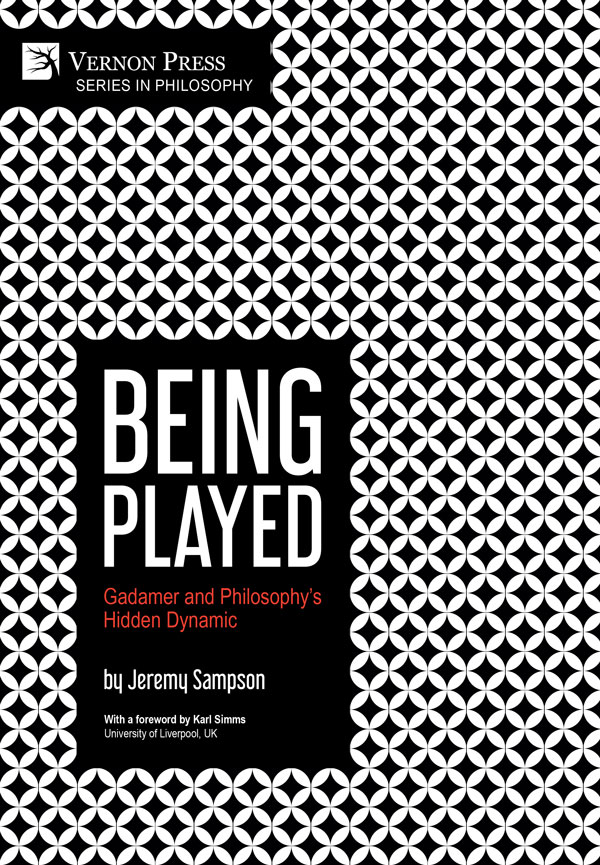
Jeremy Sampson’s generous-spirited, wide-ranging—and, yes, at times playful—'Being Played' offers a useful primer, especially for students interested in the philosophy of comic literature. Across eight chapters and a conclusion, the book offers what Sampson calls an “ontology of play”. The method possesses a sound basis in philosophical inquiry, including illustrative excurses into poetry and literature—from Shakespeare to Gerard Manley Hopkins—as the instantiation of the ludic temperament. Registering in a variety of ways how this temperament persists as a touchstone for modern philosophy, culminating in the work of Gadamer, its finest and most thoughtful proponent, marks Sampson’s signal achievement. Being Played bears the lightest of scholarly touches throughout; the gravity of its underlying message will be keenly felt.
Stuart Christie
Professor and Head
Dept of English Language and Literature
Hong Kong Baptist University
This wide-ranging book is a masterful adaptation and extension of Gadamer’s aesthetic theory of playfulness. Jeremy Sampson employs a new hypothesis, which he calls the fundamental “ludicity of Being”, as a tool for interpreting the metaphysical, religious, and existential meaning of three very different, yet highly influential, literary dramas by William Shakespeare, Samuel Beckett, and Oscar Wilde. Peppered with a playfulness well-suited to its title, the book nevertheless offers an impressive depth of insight that will transfix any reader who joins the author in a lifelong search for the enduring meaning of human life in a post-modern world.
Prof. Stephen Palmquist
Dept. of Religion and Philosophy
Hong Kong Baptist University
Discover books that expand on the themes explored in this work—titles that engage with similar questions, intersecting disciplines, and complementary perspectives to deepen understanding and broaden the conversation.
Browse all titles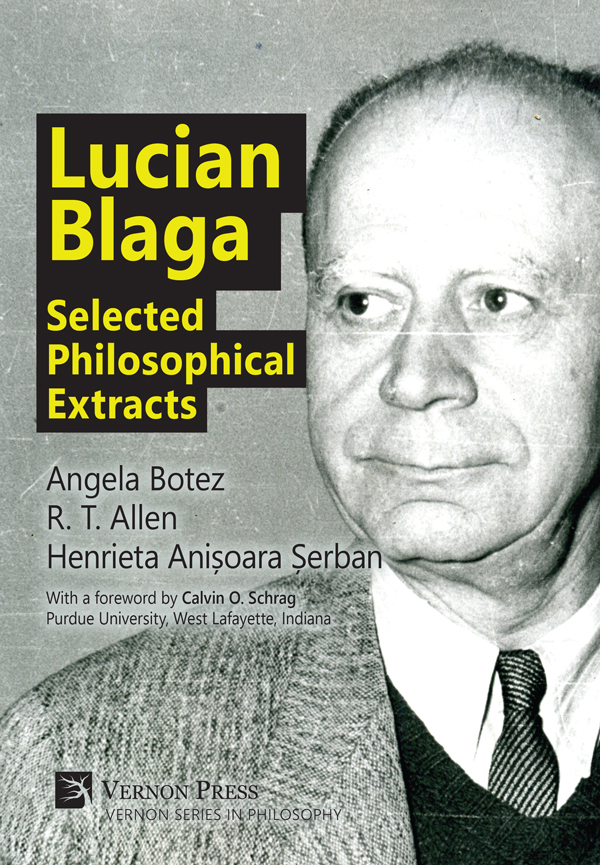
R. T. Allen, Angela Botez, and Henrieta Anișoara Șerban (Eds.)
View more