Loading...
Please wait while we load the content...

Loading...
Please wait while we load the content...
Stay informed about our latest publications, calls for proposals, and special announcements. As a subscriber, you'll also enjoy exclusive member discounts of 10%-20% on all orders. Join our community of scholars, librarians, and readers today.


Availability
In stock
ISBN
9781622730278
Edition
1
Publication Date
June 3, 2015
Physical Size
236mm x 160mm
Number of Pages
189
Currency
Quantity
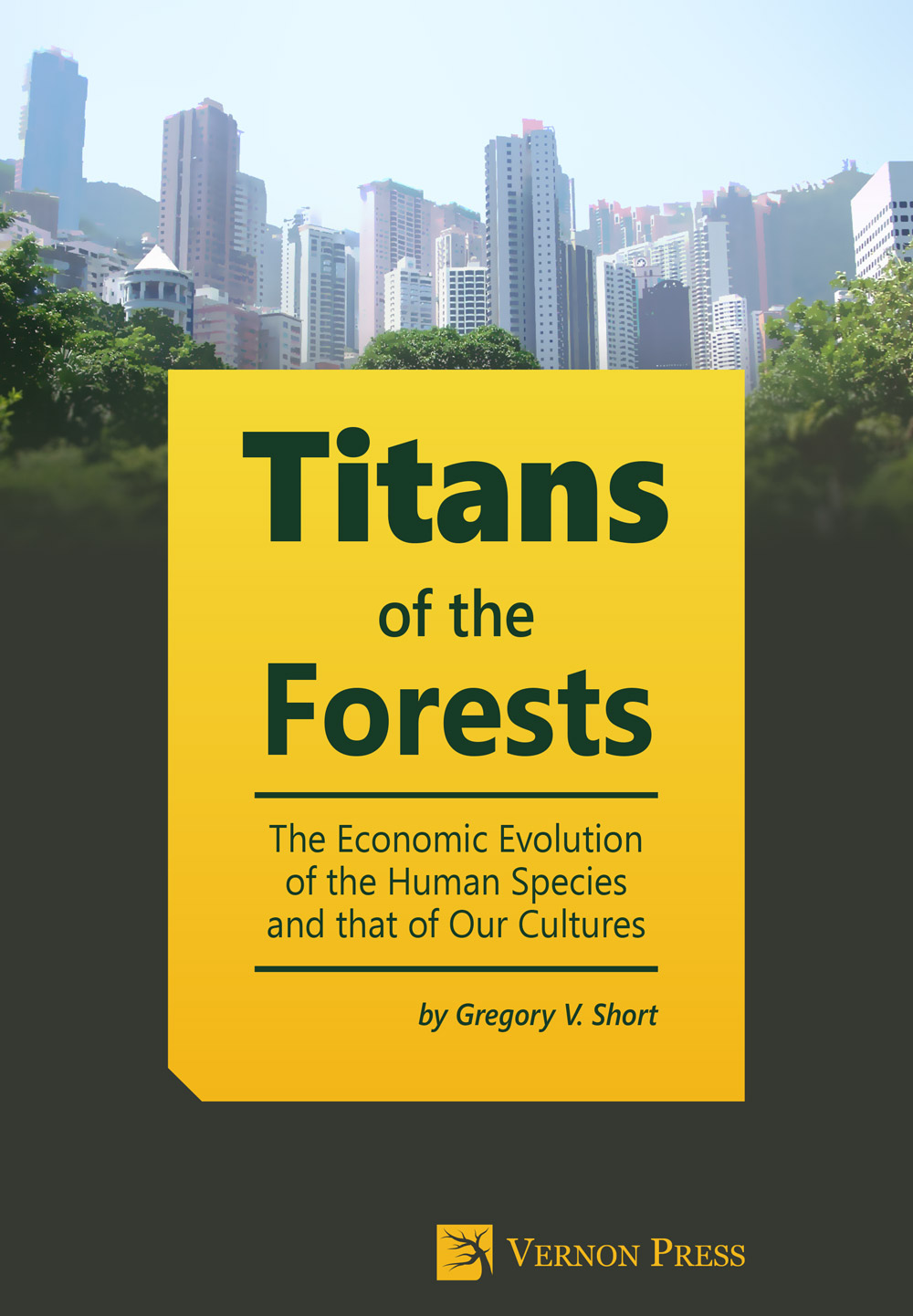
"In a world of increasing academic and expert specialization, it is rare to find a text so grand in scope and holistic in perspective. In anthropological terms, Mr. Short has produced what might be called a four-field approach to the history of the homo sapien sapien species that combines cultural, biological, archaeological, and linguistic evidence. But, the product will not only appeal to anthropologists, but also to many types of social scientists as well as non-academics interested in human evolution. The argument extends beyond evolution as it grapples with age-old questions of social organization and cultural meaning captured best in the title of Paul Gauguin’s painting: Where do we come from? What are we? Where are we going?
Given the wide array of themes, research, and disciplines that have covered the human question, one would expect any attempt at synthesis to be scattered and disorganized. To the contrary, Mr. Short’s writing is clear, accessible, and engaging. I could imagine using it in an introduction to Anthropology class just as likely as in a community book club.
What is unique about Mr. Short’s contribution is how he links our physical evolution to economics. However, despite the book’s economic base of analysis, it steers clear of repeating the mistakes of Marxist teleological assumptions about human development instead seeking to position our present social and economic organization in speculative and innovative theories of our past. Namely, Mr. Short argues that the nomadic economies of pre-agricultural humans provide the basis of every institution found in contemporary societies."
Dr. Andrew Nelson, Department of Anthropology, University of North Texas
Discover books that expand on the themes explored in this work—titles that engage with similar questions, intersecting disciplines, and complementary perspectives to deepen understanding and broaden the conversation.
Browse all titles