Loading...
Please wait while we load the content...

Loading...
Please wait while we load the content...
Stay informed about our latest publications, calls for proposals, and special announcements. As a subscriber, you'll also enjoy exclusive member discounts of 10%-20% on all orders. Join our community of scholars, librarians, and readers today.


Availability
In stock
ISBN
9781648897573
Edition
1
Publication Date
January 2, 2024
Physical Size
236mm x 160mm
Illustrations
15 Color
Number of Pages
310
Currency
Quantity
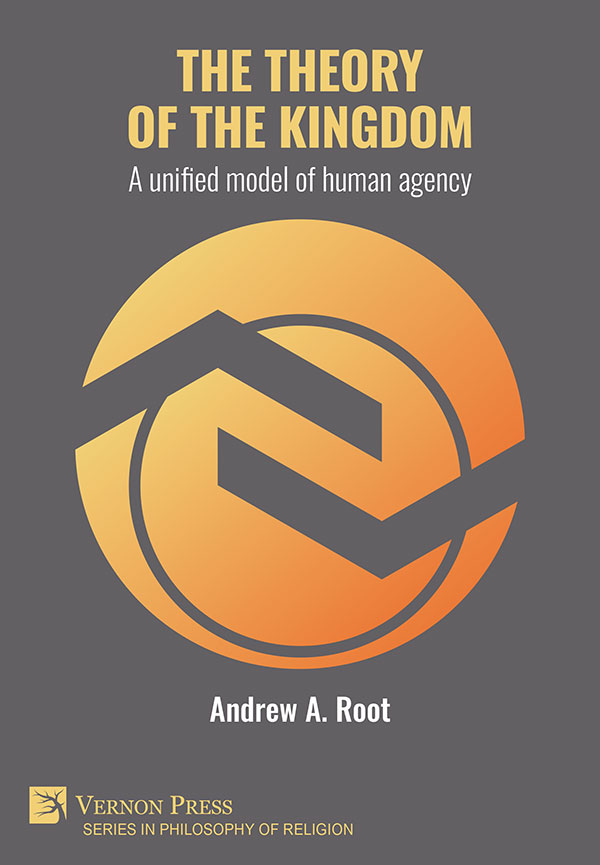
This original monograph presents a comprehensive theory regarding the economy of the kingdom of God. The theory and associated model will help individuals make better choices. The research integrates fundamentals of the temporal real economy, and the permanent economy of the kingdom of God, to present a unified model of human agency. According to the model, effective agents are salt and light in the real economy, arresting corruption and revealing the truth. Effective agency produces life, peace, and growth. Individual and organizational practices that arrest corruption and reveal truth can resolve longstanding economic grievances. The list of spiritual credence goods is extensive and includes commonly known virtues such as humility, patience, and hope. Spiritual goods are allocated based on the owner-agent relationship. The quantity of goods the owner supplies is in proportion to an individual’s sacrificial offering of time and money. Spiritual goods are stored as heart capital. In a process analogous to the real economy, heart labor applied to heart capital produces desirable outputs. The owner relates to his agents through a heart-inscribed behavioral contract. The owner generally intervenes in the real economy by communicating with agents rather than by restricting choice. Prior studies across economics, finance, and sociology prove the efficiency of behavioral contracts and communication over restricted choice. Herein researchers will find new testable propositions, and practitioners will find new ideas and practices to live better, more consequential lives. Examples of practical applications include methods of resolving group-level bias and understanding the purpose of life’s difficulties.
Discover books that expand on the themes explored in this work—titles that engage with similar questions, intersecting disciplines, and complementary perspectives to deepen understanding and broaden the conversation.
Browse all titles