Loading...
Please wait while we load the content...

Loading...
Please wait while we load the content...
Universidad de Guanajuato, Mexico
Luis Diaz-Santana Garza, Juan Pablo González, Minerva Campion, Junior Hernández Castro, Diana Marcela Corredor Palacios, Andrew Green, Mario Luis Grangeia, J. Rodrigo Moreno Elizondo, César Albornoz, Sergio Miranda Bonilla, Lisa Di Cione, and Alejandro Martínez de la Rosa
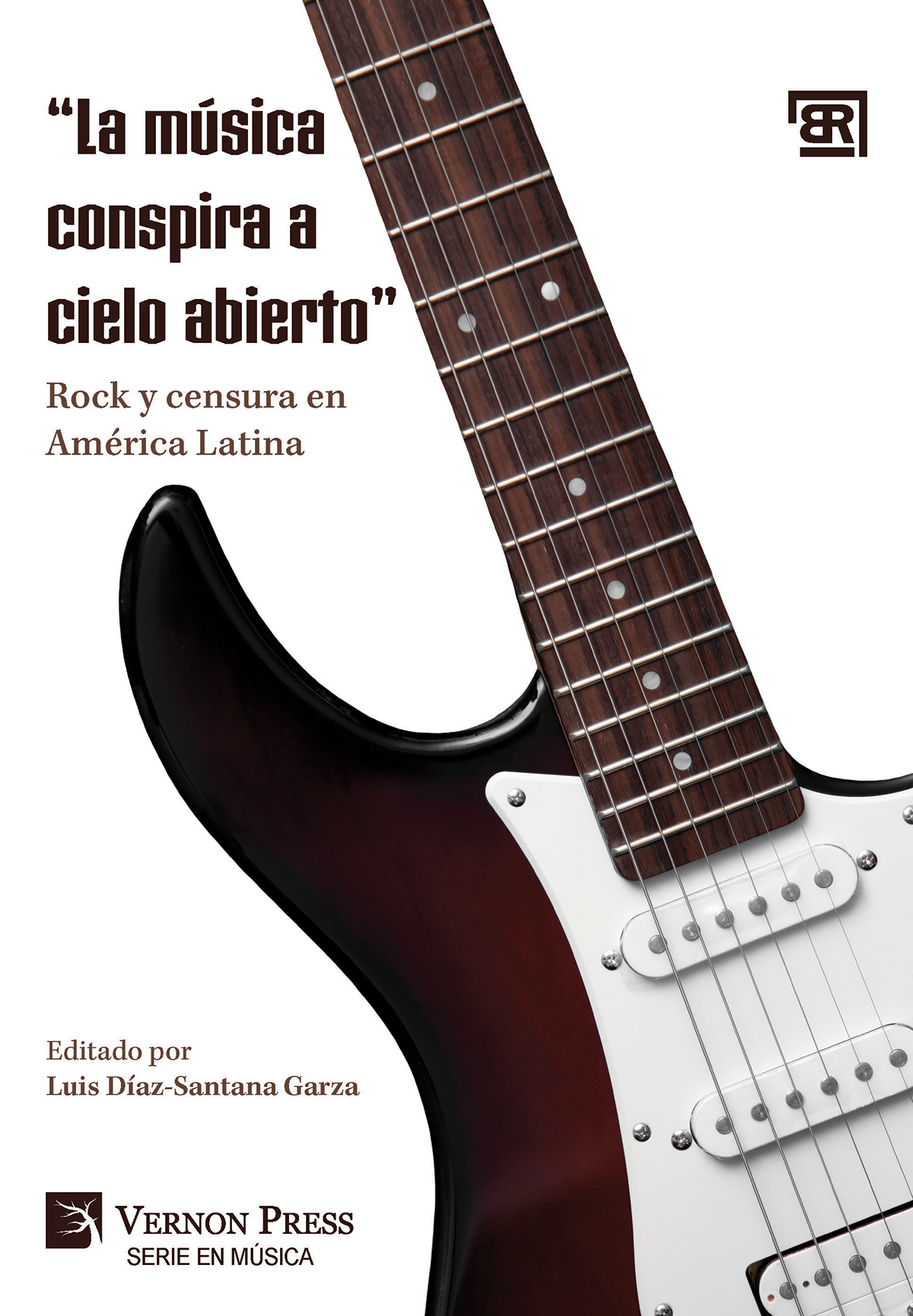
Este libro nos presenta un panorama muy amplio de la percepción del rock en América Latina desde la cultura dominante, y la forma en que esa percepción adulta, blanca, heteronormativa y prejuiciada desarrolló estrategias de persecución y censura contra el nuevo género. El paso del rock and roll de los años cincuenta al rock de los sesenta coincide con el tránsito de la adolescencia a la juventud de sus seguidores, por lo que ya no se trataba de diversiones adolescentes, sino de demandas de poder de un nuevo sector social. De esa manera, la censura, aunque errática, trató de contrarrestar la amenaza que el rock representaba para el statu quo dominante, en dictadura o democracia, con gobiernos de derecha o de izquierda. La apariencia física de los rockeros se transformó en asunto de Estado, como nos ilustran los autores del libro, donde la represión pasó del control de la música al control de los cuerpos. Frente a la escasa bibliografía existente sobre el rock y la censura en América Latina, este libro constituye un estímulo para ampliar el concepto de música y censura, como para profundizar en la historia del rock en la región.
Juan Frajoza, Juan Pablo Pira Martínez, Sonia Medrano Ruiz, Arturo Javier Ramírez Estrada, Ericka Beatriz Morales Trejo, Alejandro Martínez de la Rosa, Eric Johns, Enrique Salmerón, and Alejandro Vera
The objective of this book is to disseminate the rich history of the guitar in Latin America, with special emphasis on Mexico, covering a period that goes from the viceregal age to the present day. The collaborators are some of the most outstanding guitarists and researchers of the instrument from Chile, Mexico, Guatemala and the United States. The chapters aim to explore the composers, performers, repertoire and construction of the guitar since the sixteenth century in Latin America and the US, but also to comprehend the social role and economic ecosystem of the instrument. Due to the long chronology proposed, the book not only deals with the modern guitar, but also with the baroque guitar, and there is even a chapter dedicated to the traditional instruments that have historically been heirs to the Spanish guitar. The originality of this work resides in the use of historical and humanistic tools. It is based on a current bibliography, and it is one of the first books published in English on the history of the guitar in Latin America.