Loading...
Please wait while we load the content...
Loading...
Please wait while we load the content...

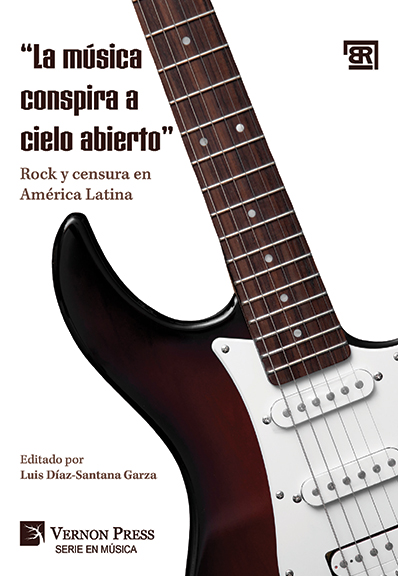
Alejandro Martínez de la Rosa, Lisa Di Cione, Sergio Miranda Bonilla, César Albornoz, J. Rodrigo Moreno Elizondo, Mario Luis Grangeia, Andrew Green, Diana Marcela Corredor Palacios, Junior Hernández Castro, Minerva Campion, and Luis Diaz-Santana Garza
Este libro nos presenta un panorama muy amplio de la percepción del rock en América Latina desde la cultura dominante, y la forma en que esa percepción adulta, blanca, heteronormativa y prejuiciada desarrolló estrategias de persecución y censura contra el nuevo género. El paso del rock and roll de los años cincuenta al rock de los sesenta coincide con el tránsito de la adolescencia a la juventud de sus seguidores, por lo que ya no se trataba de diversiones adolescentes, sino de demandas de poder de un nuevo sector social. De esa manera, la censura, aunque errática, trató de contrarrestar la amenaza que el rock representaba para el statu quo dominante, en dictadura o democracia, con gobiernos de derecha o de izquierda. La apariencia física de los rockeros se transformó en asunto de Estado, como nos ilustran los autores del libro, donde la represión pasó del control de la música al control de los cuerpos. Frente a la escasa bibliografía existente sobre el rock y la censura en América Latina, este libro constituye un estímulo para ampliar el concepto de música y censura, como para profundizar en la historia del rock en la región.
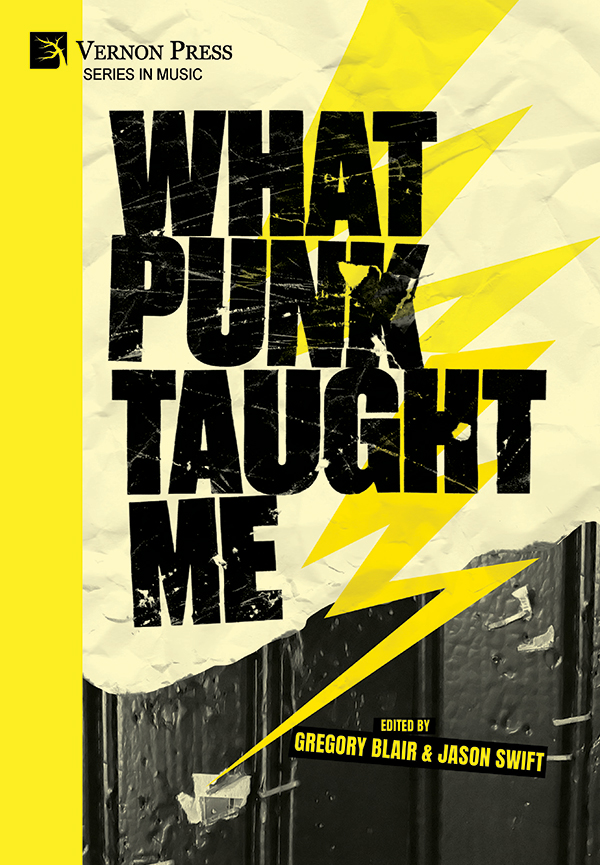
Clayton Funk, Liz Worth, Samantha Russell, Jim Ruland, Donald Renner, Stephen Morrow, Erin Latham, C. Scott Satterwhite, Valerie George, Dixie Lyn Boswell, H.C. Arnold, and Jaimes Mayhew
From personal anecdotes to philosophical inquiries, ‘What Punk Taught Me’ gathers essays from fifteen different contributors whose lives have all been touched upon by punk culture in some meaningful way. Many years after hearing their first blast of distorted punk guitar as a youth or teenagers, these individuals (like so many others) have come to realize later in life that their experience of punk has provided them with an incredibly valuable tutelage in becoming an artist, writer, educator, or overall human being. For these contributors, the experience of punk has been the source of community and ethics, philosophy and aesthetics, or even an attitude and identity. This anthology explores how various individuals have connected with punk in a variety of distinctive ways—through music, venues, fashion, art, writing, activism, collecting culture, rebellion, subversion, or DIY projects. These essays document the lessons of punk, bringing together people from a wide array of backgrounds. Each of them shares their own unique story of what punk has taught them – how those experiences have been formative in their lives and how punk has supported their personal and professional development. These narratives serve as a reflection on the myriad influences of punk – as a methodology, a philosophy, an ontology, an aesthetic, a strategy, a cultural phenomenon, or a worldview. The culmination of this collection provides a deeper understanding of the individualized and personal influences of punk but also the wider arch and overall legacy of punk culture. Through this analysis, an explicit correlation is drawn between the world of punk, the educations it provides, and the ripples of its wider socio-cultural impact.
Jaimes Mayhew, Liz Worth, Samantha Russell, Jim Ruland, Donald Renner, Stephen Morrow, Erin Latham, C. Scott Satterwhite, Valerie George, Clayton Funk, Dixie Lyn Boswell, and H.C. Arnold
From personal anecdotes to philosophical inquiries, ‘What Punk Taught Me’ gathers essays from fifteen different contributors whose lives have all been touched upon by punk culture in some meaningful way. Many years after hearing their first blast of distorted punk guitar as a youth or teenagers, these individuals (like so many others) have come to realize later in life that their experience of punk has provided them with an incredibly valuable tutelage in becoming an artist, writer, educator, or overall human being. For these contributors, the experience of punk has been the source of community and ethics, philosophy and aesthetics, or even an attitude and identity. This anthology explores how various individuals have connected with punk in a variety of distinctive ways—through music, venues, fashion, art, writing, activism, collecting culture, rebellion, subversion, or DIY projects. These essays document the lessons of punk, bringing together people from a wide array of backgrounds. Each of them shares their own unique story of what punk has taught them – how those experiences have been formative in their lives and how punk has supported their personal and professional development. These narratives serve as a reflection on the myriad influences of punk – as a methodology, a philosophy, an ontology, an aesthetic, a strategy, a cultural phenomenon, or a worldview. The culmination of this collection provides a deeper understanding of the individualized and personal influences of punk but also the wider arch and overall legacy of punk culture. Through this analysis, an explicit correlation is drawn between the world of punk, the educations it provides, and the ripples of its wider socio-cultural impact.
Liz Worth, Samantha Russell, Jim Ruland, Donald Renner, Stephen Morrow, Jaimes Mayhew, C. Scott Satterwhite, Valerie George, Clayton Funk, Dixie Lyn Boswell, H.C. Arnold, and Erin Latham
From personal anecdotes to philosophical inquiries, ‘What Punk Taught Me’ gathers essays from fifteen different contributors whose lives have all been touched upon by punk culture in some meaningful way. Many years after hearing their first blast of distorted punk guitar as a youth or teenagers, these individuals (like so many others) have come to realize later in life that their experience of punk has provided them with an incredibly valuable tutelage in becoming an artist, writer, educator, or overall human being. For these contributors, the experience of punk has been the source of community and ethics, philosophy and aesthetics, or even an attitude and identity. This anthology explores how various individuals have connected with punk in a variety of distinctive ways—through music, venues, fashion, art, writing, activism, collecting culture, rebellion, subversion, or DIY projects. These essays document the lessons of punk, bringing together people from a wide array of backgrounds. Each of them shares their own unique story of what punk has taught them – how those experiences have been formative in their lives and how punk has supported their personal and professional development. These narratives serve as a reflection on the myriad influences of punk – as a methodology, a philosophy, an ontology, an aesthetic, a strategy, a cultural phenomenon, or a worldview. The culmination of this collection provides a deeper understanding of the individualized and personal influences of punk but also the wider arch and overall legacy of punk culture. Through this analysis, an explicit correlation is drawn between the world of punk, the educations it provides, and the ripples of its wider socio-cultural impact.
Ericka Beatriz Morales Trejo, Enrique Salmerón, Eric Johns, Alejandro Martínez de la Rosa, Arturo Javier Ramírez Estrada, Sonia Medrano Ruiz, Juan Pablo Pira Martínez, Juan Frajoza, and Alejandro Vera
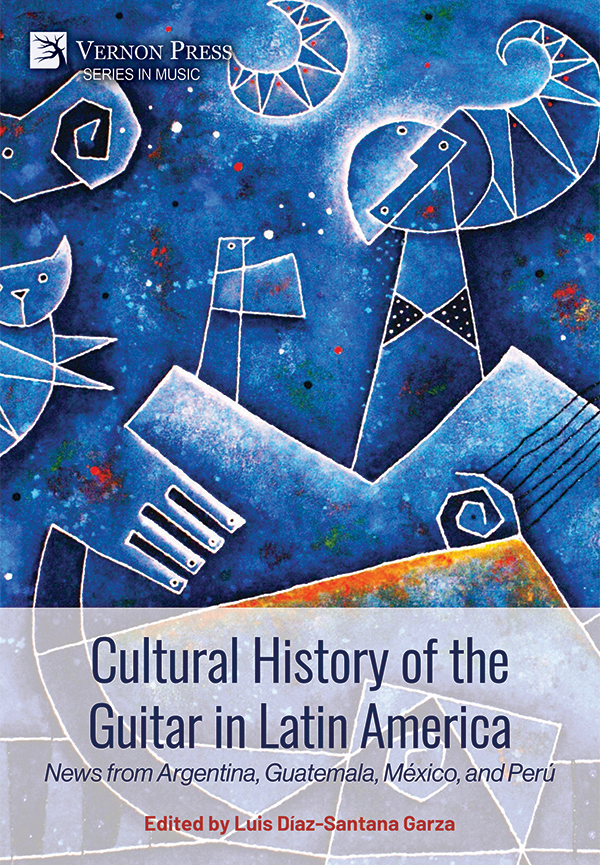
The objective of this book is to disseminate the rich history of the guitar in Latin America, with special emphasis on Mexico, covering a period that goes from the viceregal age to the present day. The collaborators are some of the most outstanding guitarists and researchers of the instrument from Chile, Mexico, Guatemala and the United States. The chapters aim to explore the composers, performers, repertoire and construction of the guitar since the sixteenth century in Latin America and the US, but also to comprehend the social role and economic ecosystem of the instrument. Due to the long chronology proposed, the book not only deals with the modern guitar, but also with the baroque guitar, and there is even a chapter dedicated to the traditional instruments that have historically been heirs to the Spanish guitar. The originality of this work resides in the use of historical and humanistic tools. It is based on a current bibliography, and it is one of the first books published in English on the history of the guitar in Latin America.
Alejandro Martínez de la Rosa, Enrique Salmerón, Eric Johns, Ericka Beatriz Morales Trejo, Sonia Medrano Ruiz, Alejandro Vera, Juan Pablo Pira Martínez, Juan Frajoza, and Arturo Javier Ramírez Estrada
The objective of this book is to disseminate the rich history of the guitar in Latin America, with special emphasis on Mexico, covering a period that goes from the viceregal age to the present day. The collaborators are some of the most outstanding guitarists and researchers of the instrument from Chile, Mexico, Guatemala and the United States. The chapters aim to explore the composers, performers, repertoire and construction of the guitar since the sixteenth century in Latin America and the US, but also to comprehend the social role and economic ecosystem of the instrument. Due to the long chronology proposed, the book not only deals with the modern guitar, but also with the baroque guitar, and there is even a chapter dedicated to the traditional instruments that have historically been heirs to the Spanish guitar. The originality of this work resides in the use of historical and humanistic tools. It is based on a current bibliography, and it is one of the first books published in English on the history of the guitar in Latin America.
Jeeyeon Ryu
THAWZEN Moments: Autoethnographic Piano Teaching and Learning Stories is a collection of 46 vignettes, digitally edited photographs, poems, and reflective-reflexive narratives about children’s imaginative, creative, and magical lifeworlds of exploring music and piano playing. There are many ways of learning to play the piano, THAWZEN different ways of re/imagining music. There are many stories to share with you, never-ending questions to explore together. The stories included in this book are our happy piano play, our shared musical journeys in re/creating more meaningful and joyful piano teaching and learning experiences.
Alejandro Vera, Juan Frajoza, Juan Pablo Pira Martínez, Sonia Medrano Ruiz, Arturo Javier Ramírez Estrada, Ericka Beatriz Morales Trejo, Alejandro Martínez de la Rosa, Eric Johns, and Enrique Salmerón
The objective of this book is to disseminate the rich history of the guitar in Latin America, with special emphasis on Mexico, covering a period that goes from the viceregal age to the present day. The collaborators are some of the most outstanding guitarists and researchers of the instrument from Chile, Mexico, Guatemala and the United States. The chapters aim to explore the composers, performers, repertoire and construction of the guitar since the sixteenth century in Latin America and the US, but also to comprehend the social role and economic ecosystem of the instrument. Due to the long chronology proposed, the book not only deals with the modern guitar, but also with the baroque guitar, and there is even a chapter dedicated to the traditional instruments that have historically been heirs to the Spanish guitar. The originality of this work resides in the use of historical and humanistic tools. It is based on a current bibliography, and it is one of the first books published in English on the history of the guitar in Latin America.
Pablo Alejandro Suárez Marrero
La pluralidad discursiva manifiesta en la actual música popular se encuentra enmarcada en una realidad estético-musical cambiante, causada por una postmodernidad social cada vez más abierta a la globalización de las expresiones culturales de los pueblos. Es dentro de esta dinámica social que emerge la figura creativa de Alejandro García Villalón Virulo y sus grabaciones sonoras (1973-2021). En estas, el cantautor empleó disímiles recursos musicales, literarios, escénicos y visuales para ejercer la crítica sobre sus contextos germinales, como vía desacralizadora de culturas hegemónicas y paradigmas sociales construidos a lo largo del devenir histórico de los pueblos de la región. La casi nula existencia de estudios académicos sobre este artista y sus documentos sonoros constituye una oportunidad para construir su biografía sonora como contexto de performance (1955-2008), donde se imbricaron elementos históricos, políticos, sociales y culturales condicionados por marcos temporales y espacios geográficos. Para ello, se concatenaron herramientas teóricas, conceptuales y metodológicas provenientes de los estudios de performance, la historiografía crítica y la musicología popular. La presente investigación conduce a repensar las relaciones entre música y humor en culturas musicales de América Latina y el Caribe, la concepción de la biografía sonora de un cantautor como aproximación a su contexto germinal, así como el abordaje de los documentos de música grabada o programada como fuentes primarias de información para estudios sociales de prácticas sonoro-musicales situadas.
Pablo Alejandro Suárez Marrero
La pluralidad discursiva manifiesta en la actual música popular se encuentra enmarcada en una realidad estético-musical cambiante, causada por una postmodernidad social cada vez más abierta a la globalización de las expresiones culturales de los pueblos. Es dentro de esta dinámica social que emerge la figura creativa de Alejandro García Villalón Virulo y sus grabaciones sonoras (1973-2021). En estas, el cantautor empleó disímiles recursos musicales, literarios, escénicos y visuales para ejercer la crítica sobre sus contextos germinales, como vía desacralizadora de culturas hegemónicas y paradigmas sociales construidos a lo largo del devenir histórico de los pueblos de la región. La casi nula existencia de estudios académicos sobre este artista y sus documentos sonoros constituye una oportunidad para construir su biografía sonora como contexto de performance (1955-2008), donde se imbricaron elementos históricos, políticos, sociales y culturales condicionados por marcos temporales y espacios geográficos. Para ello, se concatenaron herramientas teóricas, conceptuales y metodológicas provenientes de los estudios de performance, la historiografía crítica y la musicología popular. La presente investigación conduce a repensar las relaciones entre música y humor en culturas musicales de América Latina y el Caribe, la concepción de la biografía sonora de un cantautor como aproximación a su contexto germinal, así como el abordaje de los documentos de música grabada o programada como fuentes primarias de información para estudios sociales de prácticas sonoro-musicales situadas.
Showing 1 to 10 of 57 books
Discover our comprehensive collection of scholarly works in music studies. From cutting-edge research to foundational texts, find the resources you need for your academic journey.