Loading...
Please wait while we load the content...
Loading...
Please wait while we load the content...

Civilizational Perspectives on Alienation/Ghayriyya (Otherness) in the Knowing/Existing
Anthony F. Shaker, Amílcar Aldama Cruz, Hilal Oytun Altun, Hamidreza Ayatollahy, José Antonio Antón Pacheco, Luce López-Baralt, Ángel Horacio Molina, James Maffie, Omneya Ayad, Mahdi Saatchi, and Hamedeh Rastaei
Latin America is a diverse mosaic of cultures that trace their origins back to Indigenous, African, Spanish, Portuguese and Islamic sources. Its philosophies, eloquently expressed by a long line of thinkers, are found not just in departments of philosophy, but also in its rich literature and art, which are given treatment in this volume. The Islamicate world is a unique, fourteen-century-old cultural mosaic that covers much of the known world. Despite its long civilizational experience, it too faces the challenge of emancipation from foreign domination and the chaotic cacophony of monologues afflicting our time. The papers collected here cover various aspects of the philosophies of these two constantly interacting traditions and how they impinge on an old problematic: “ghayriyya” (otherness) and “alienation”. Their themes include key figures like Ibn ʿArabī, Suhrawardī, Aḥmad b. Muṣṭafa al-ʿAlawī, Rudolfo Kusch, José Martí, Spain’s Moriscos, and contemporary Argentine philosophers; and expanding areas of research like the philosophy of the Nahua (popularly known as the “Aztec”) and the language reforms in Türkiye, both of which provide excellent examples of cultural self-alienation.
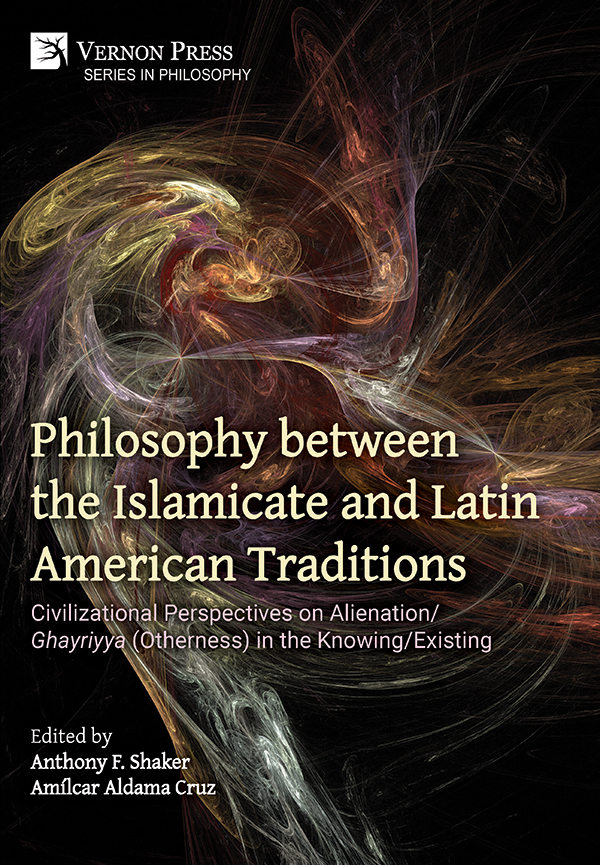
Civilizational Perspectives on Alienation/Ghayriyya (Otherness) in the Knowing/Existing
Amílcar Aldama Cruz, Hamedeh Rastaei, Mahdi Saatchi, Omneya Ayad, James Maffie, Ángel Horacio Molina, Luce López-Baralt, José Antonio Antón Pacheco, Hamidreza Ayatollahy, Hilal Oytun Altun, and Anthony F. Shaker
Latin America is a diverse mosaic of cultures that trace their origins back to Indigenous, African, Spanish, Portuguese and Islamic sources. Its philosophies, eloquently expressed by a long line of thinkers, are found not just in departments of philosophy, but also in its rich literature and art, which are given treatment in this volume. The Islamicate world is a unique, fourteen-century-old cultural mosaic that covers much of the known world. Despite its long civilizational experience, it too faces the challenge of emancipation from foreign domination and the chaotic cacophony of monologues afflicting our time. The papers collected here cover various aspects of the philosophies of these two constantly interacting traditions and how they impinge on an old problematic: “ghayriyya” (otherness) and “alienation”. Their themes include key figures like Ibn ʿArabī, Suhrawardī, Aḥmad b. Muṣṭafa al-ʿAlawī, Rudolfo Kusch, José Martí, Spain’s Moriscos, and contemporary Argentine philosophers; and expanding areas of research like the philosophy of the Nahua (popularly known as the “Aztec”) and the language reforms in Türkiye, both of which provide excellent examples of cultural self-alienation.
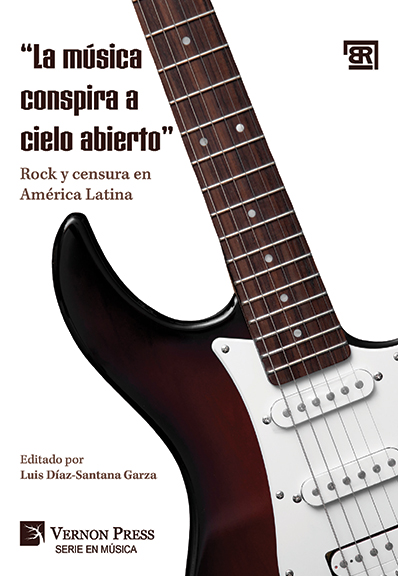
Alejandro Martínez de la Rosa, Lisa Di Cione, Sergio Miranda Bonilla, César Albornoz, J. Rodrigo Moreno Elizondo, Mario Luis Grangeia, Andrew Green, Diana Marcela Corredor Palacios, Junior Hernández Castro, Minerva Campion, and Luis Diaz-Santana Garza
Este libro nos presenta un panorama muy amplio de la percepción del rock en América Latina desde la cultura dominante, y la forma en que esa percepción adulta, blanca, heteronormativa y prejuiciada desarrolló estrategias de persecución y censura contra el nuevo género. El paso del rock and roll de los años cincuenta al rock de los sesenta coincide con el tránsito de la adolescencia a la juventud de sus seguidores, por lo que ya no se trataba de diversiones adolescentes, sino de demandas de poder de un nuevo sector social. De esa manera, la censura, aunque errática, trató de contrarrestar la amenaza que el rock representaba para el statu quo dominante, en dictadura o democracia, con gobiernos de derecha o de izquierda. La apariencia física de los rockeros se transformó en asunto de Estado, como nos ilustran los autores del libro, donde la represión pasó del control de la música al control de los cuerpos. Frente a la escasa bibliografía existente sobre el rock y la censura en América Latina, este libro constituye un estímulo para ampliar el concepto de música y censura, como para profundizar en la historia del rock en la región.
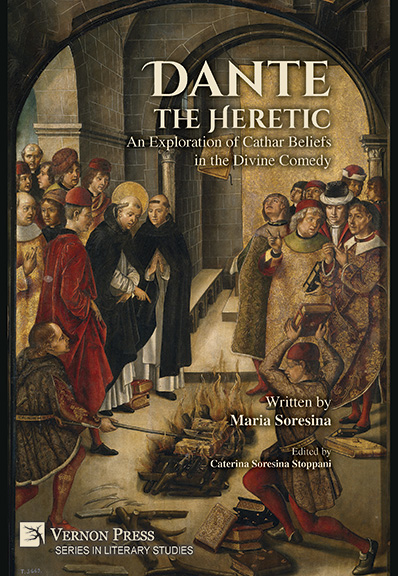
Maria Soresina
The purpose of this book is to demonstrate that Cathar doctrine is the main source of Dante's poem and to encourage readers to approach this work with fresh eyes, beyond the interpretative frameworks that are often worn. With detailed references to Dante's text, persuasive arguments, lucid and concrete exposition, and a direct and easy-to-follow style, Maria Soresina progressively presents the links between the ‘Divine Comedy’ and Catharism, which she has been investigating since the end of the last century. The text analyzes Cathar characters with respect to the doctrine. The Cathars were Christians, but their beliefs were very different from those of the Catholic Church. The author analyzes their philosophy, followed by verses of Dante that demonstrate agreement with it and distance from the Catholic Church. In addition to the great doctrinal questions, there are many Cathar beliefs and customs, all of which, such as their being vegetarians, find precise confirmation in the verses of the ‘Divine Comedy’. The Cathars had only one sacrament, the ‘consolamentum’. A long chapter is dedicated to demonstrating that Dante's journey through Purgatory corresponds to the various phases of this sacrament, within which the figure of Beatrice has a particular meaning, a woman whom Dante probably never met and never loved. This text offers non-Italian-speaking readers the chance to engage with these interpretive theories, destabilizing the canonical criticism and forcing a re-examination of sources and historical context.
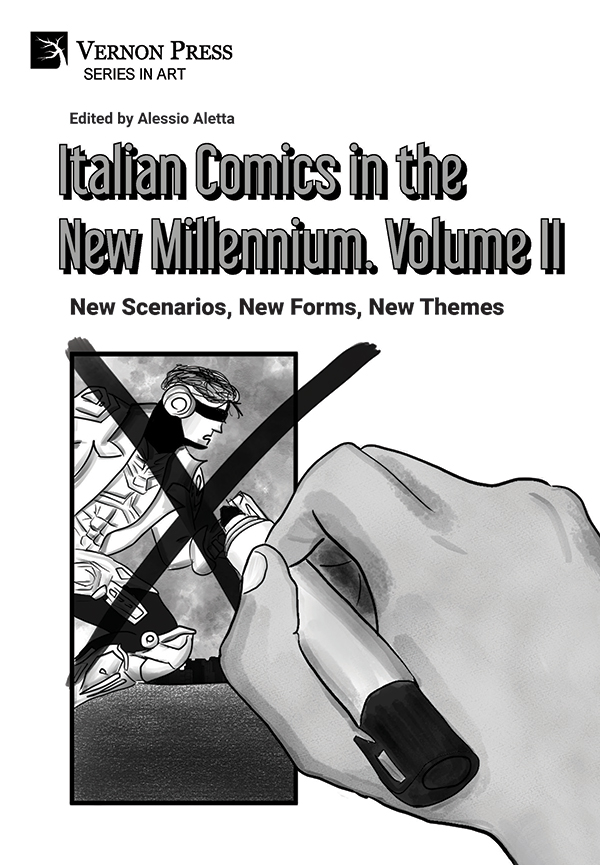
Maria Luisa Catoni, Lorenzo Bonoldi, Claudia Cerulo, Alice Parrinello, Rodolfo Dal Canto, Dario Boemia, Nicole Crescenzi, Francesca Leonardi, Yesim Tonga, Lorenzo Di Paola, Lisa Maya Quaianni Manuzzato, Silvia Vari, Giorgio Busi Rizzi, and Francesca Fino
Volume II of 'Italian Comics in the New Millennium' offers an in-depth exploration of the dynamic transformations in the Italian comics industry, focusing on the intersections of innovation, tradition, and contemporary socio-political issues. This collection highlights the rapidly evolving production and consumption landscape, including the rise of self-publishing, digital comics, and the impact of online platforms. The book examines the role of digital comics in reshaping narrative and aesthetic possibilities, while also addressing the changing working conditions of comics creators in the digital age. Key themes explored in this volume include the integration of comics into journalism; the emergence of reality-based narratives; and the growing representation of gender, sexuality, and immigration in contemporary graphic novels. Special attention is given to new waves of Italian comics that explore regional identities, historical memory, and personal lineage, offering a diverse range of case studies from emerging authors and established figures. This collection is a vital resource for researchers, students, and professionals in comics studies, media, and cultural studies. It provides an extensive overview of the most recent developments in Italian comics, offering a blend of critical analysis and fresh perspectives on the medium’s cultural significance. With its focus on evolving narrative forms and innovative production models, this volume serves as both a reference tool and a thought-provoking exploration of the present – and future – of Italian comics.
Silvia Vari, Lorenzo Bonoldi, Claudia Cerulo, Alice Parrinello, Rodolfo Dal Canto, Dario Boemia, Maria Luisa Catoni, Nicole Crescenzi, Francesca Fino, Francesca Leonardi, Yesim Tonga, Lorenzo Di Paola, Lisa Maya Quaianni Manuzzato, and Giorgio Busi Rizzi
Volume II of 'Italian Comics in the New Millennium' offers an in-depth exploration of the dynamic transformations in the Italian comics industry, focusing on the intersections of innovation, tradition, and contemporary socio-political issues. This collection highlights the rapidly evolving production and consumption landscape, including the rise of self-publishing, digital comics, and the impact of online platforms. The book examines the role of digital comics in reshaping narrative and aesthetic possibilities, while also addressing the changing working conditions of comics creators in the digital age. Key themes explored in this volume include the integration of comics into journalism; the emergence of reality-based narratives; and the growing representation of gender, sexuality, and immigration in contemporary graphic novels. Special attention is given to new waves of Italian comics that explore regional identities, historical memory, and personal lineage, offering a diverse range of case studies from emerging authors and established figures. This collection is a vital resource for researchers, students, and professionals in comics studies, media, and cultural studies. It provides an extensive overview of the most recent developments in Italian comics, offering a blend of critical analysis and fresh perspectives on the medium’s cultural significance. With its focus on evolving narrative forms and innovative production models, this volume serves as both a reference tool and a thought-provoking exploration of the present – and future – of Italian comics.
Author information not available
Esta monografía colectiva profundiza en diferentes estrategias lingüísticas de (des)cortesía verbal documentadas en los períodos evolutivos tradicionalmente considerados en historia de la lengua española. Los diez capítulos que constituyen el libro, cuyos autores son especialistas en la materia, ofrecen novedosas aportaciones sobre el funcionamiento de diferentes actos de habla, formas de tratamientos o modulaciones del discurso, abordados desde diferentes enfoques y aplicados en diferentes modalidades del español. De esta manera, hace una notable aportación a la reconstrucción de la historia de la (des)cortesía en español -y en italiano, puesto que hay un capítulo dedicado al análisis histórico contrastivo- y de las construcciones lingüísticas empleadas en la interacción a lo largo de los siglos, pues el arco temporal abarcado cubre desde los siglos XII al XXI. En las perspectivas de análisis diacrónico adoptadas resultan cruciales la recontextualización sociocultural de la (des)cortesía de cada época y la consideración de los géneros discursivos empleados como corpus, de modo que cobran especial relevancia para el estudio de la pragmática la organización secuencial de las interacciones orales y escritas, la tradicionalidad discursiva de las construcciones analizadas y las funciones interpersonales y de gestión de la interacción a las que sirven. Esta perspectiva sociocultural y discursiva, propia de los estudios actuales en pragmática y (des)cortesía permite un análisis esclarecedor de los fenómenos lingüísticos y discursivos abordados.
Author information not available
Esta monografía colectiva profundiza en diferentes estrategias lingüísticas de (des)cortesía verbal documentadas en los períodos evolutivos tradicionalmente considerados en historia de la lengua española. Los diez capítulos que constituyen el libro, cuyos autores son especialistas en la materia, ofrecen novedosas aportaciones sobre el funcionamiento de diferentes actos de habla, formas de tratamientos o modulaciones del discurso, abordados desde diferentes enfoques y aplicados en diferentes modalidades del español. De esta manera, hace una notable aportación a la reconstrucción de la historia de la (des)cortesía en español -y en italiano, puesto que hay un capítulo dedicado al análisis histórico contrastivo- y de las construcciones lingüísticas empleadas en la interacción a lo largo de los siglos, pues el arco temporal abarcado cubre desde los siglos XII al XXI. En las perspectivas de análisis diacrónico adoptadas resultan cruciales la recontextualización sociocultural de la (des)cortesía de cada época y la consideración de los géneros discursivos empleados como corpus, de modo que cobran especial relevancia para el estudio de la pragmática la organización secuencial de las interacciones orales y escritas, la tradicionalidad discursiva de las construcciones analizadas y las funciones interpersonales y de gestión de la interacción a las que sirven. Esta perspectiva sociocultural y discursiva, propia de los estudios actuales en pragmática y (des)cortesía permite un análisis esclarecedor de los fenómenos lingüísticos y discursivos abordados.
Francisco Sáez de Adana, Umberto Rossi, Mario Tirino, Carlotta Vacchelli, Antonio Mirizzi, Manuela Di Franco, Marialaura Pancini, Andrea Tosti, and Alessio Aletta
The first issue of a two-volume collection, this book explores the transformation of Italian comics in the new millennium, offering a comprehensive analysis of the evolving landscape of “fumetti” through both historical and contemporary lenses. The book examines iconic serials from Disney Italia and Sergio Bonelli Editore, alongside innovative auteur-driven works, providing readers with an in-depth look at how Italy’s most influential comics publishers have adapted to shifting cultural and industrial contexts. Contributions focus on the challenges of maintaining the essence of beloved series while integrating modern sensibilities, exploring shifts in audience, narrative strategies, and thematic explorations. The volumes also delve into the works of influential Italian comic artists, from the groundbreaking legacy of Andrea Pazienza to the contemporary innovations of Gipi and Zerocalcare, offering fresh insights into narrative styles, intermedial experimentation, and socio-political commentary. With contributions from leading scholars in the field, this collection highlights the vibrant, dynamic nature of Italian comics and their growing international recognition. This work provides a vital resource for anyone interested in the intersection of popular culture, artistic innovation, and the evolving nature of graphic storytelling. Drawing on a rich variety of methodological approaches, the book serves as both a reference tool and a thought-provoking exploration of the role of comics in contemporary society in the Italian context.
Andrea Tosti, Marialaura Pancini, Francisco Sáez de Adana, Manuela Di Franco, Antonio Mirizzi, Carlotta Vacchelli, Mario Tirino, Umberto Rossi, and Alessio Aletta
The first issue of a two-volume collection, this book explores the transformation of Italian comics in the new millennium, offering a comprehensive analysis of the evolving landscape of “fumetti” through both historical and contemporary lenses. The book examines iconic serials from Disney Italia and Sergio Bonelli Editore, alongside innovative auteur-driven works, providing readers with an in-depth look at how Italy’s most influential comics publishers have adapted to shifting cultural and industrial contexts. Contributions focus on the challenges of maintaining the essence of beloved series while integrating modern sensibilities, exploring shifts in audience, narrative strategies, and thematic explorations. The volumes also delve into the works of influential Italian comic artists, from the groundbreaking legacy of Andrea Pazienza to the contemporary innovations of Gipi and Zerocalcare, offering fresh insights into narrative styles, intermedial experimentation, and socio-political commentary. With contributions from leading scholars in the field, this collection highlights the vibrant, dynamic nature of Italian comics and their growing international recognition. This work provides a vital resource for anyone interested in the intersection of popular culture, artistic innovation, and the evolving nature of graphic storytelling. Drawing on a rich variety of methodological approaches, the book serves as both a reference tool and a thought-provoking exploration of the role of comics in contemporary society in the Italian context.
Showing 1 to 10 of 497 books
Discover our comprehensive collection of scholarly works in history. From cutting-edge research to foundational texts, find the resources you need for your academic journey.