Loading...
Please wait while we load the content...

Loading...
Please wait while we load the content...
Stay informed about our latest publications, calls for proposals, and special announcements. As a subscriber, you'll also enjoy exclusive member discounts of 10%-20% on all orders. Join our community of scholars, librarians, and readers today.


Availability
In stock
ISBN
9781622736355
Edition
1
Publication Date
December 2, 2019
Physical Size
236mm x 160mm
Number of Pages
116
Currency
Quantity
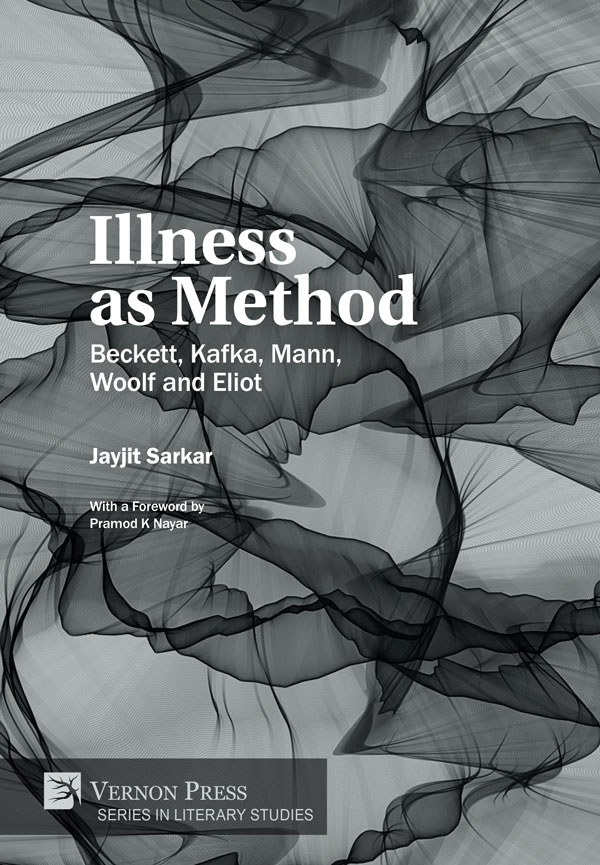
This work questions the problematic connections between illness and modernity: the complicated negotiations involving the body both in its physicality and phenomenology and the poetics and praxiality of illness. The project, which is predominantly conceptual in nature, for it does not see illness solely as a clinical-physical category (leaning heavily on the medical sciences), but rather perspectivizes its phenomenology and pathographical limits and manifestations, lateralizing on its critical correspondences with a selection of modernist texts ranging from Virginia Woolf to Samuel Beckett. The book unearths different ‘possibilities’ of illness without denying its (quite natural) association with morbidity, pain, suffering, dying and death. It looks at illness and its effects on different bodies phenomenologically with the help of some twentieth-century philosophers, including Martin Heidegger, Jean Luc-Nancy, Maurice Merleau-Ponty, Jean-Paul Sartre and Emmanuel Levinas. The book locates these phenomenological understandings in a reading of some of the important literary works of early twentieth-century Europe — five literary works from five different genres (poetry, drama, fiction, non-fiction and epistle) — critiquing the relevance of the phenomenological body in the literary and narrative world of the texts. The author deals with Samuel Beckett’s Endgame, Franz Kafka’s letters, Thomas Mann’s Death in Venice, Virginia Woolf’s On Being Ill and T. S. Eliot’s The Wasteland within the aesthetico-philosophical space and the epistemic dialogism that modernist aesthetics implies and espouses.
Discover books that expand on the themes explored in this work—titles that engage with similar questions, intersecting disciplines, and complementary perspectives to deepen understanding and broaden the conversation.
Browse all titles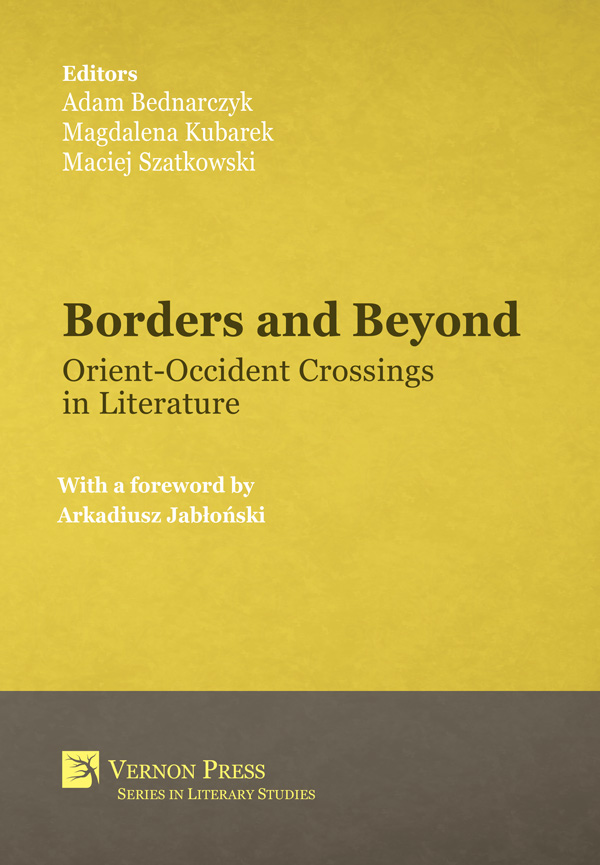
Adam Bednarczyk and Magdalena Kubarek (Eds.)
View more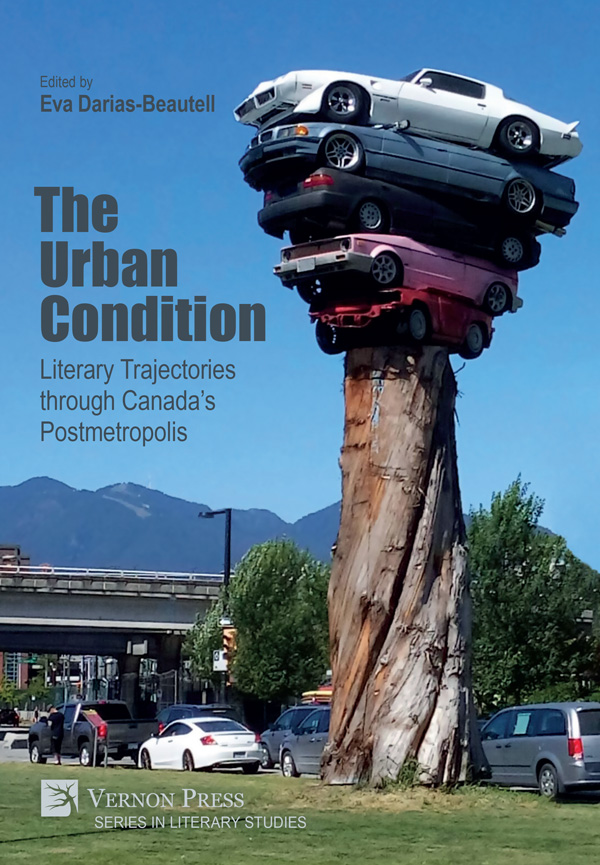
Eva Darias-Beautell (Ed.)
View more
Peter Swirski and Tero Eljas Vanhanen (Eds.)
View more
Vanessa Guignery and Wojciech Drąg (Eds.)
View more