Loading...
Please wait while we load the content...

Loading...
Please wait while we load the content...
Stay informed about our latest publications, calls for proposals, and special announcements. As a subscriber, you'll also enjoy exclusive member discounts of 10%-20% on all orders. Join our community of scholars, librarians, and readers today.


Availability
In stock
ISBN
9781622734535
Edition
1
Publication Date
July 5, 2019
Physical Size
236mm x 160mm
Illustrations
16 Color
Number of Pages
254
Currency
Quantity
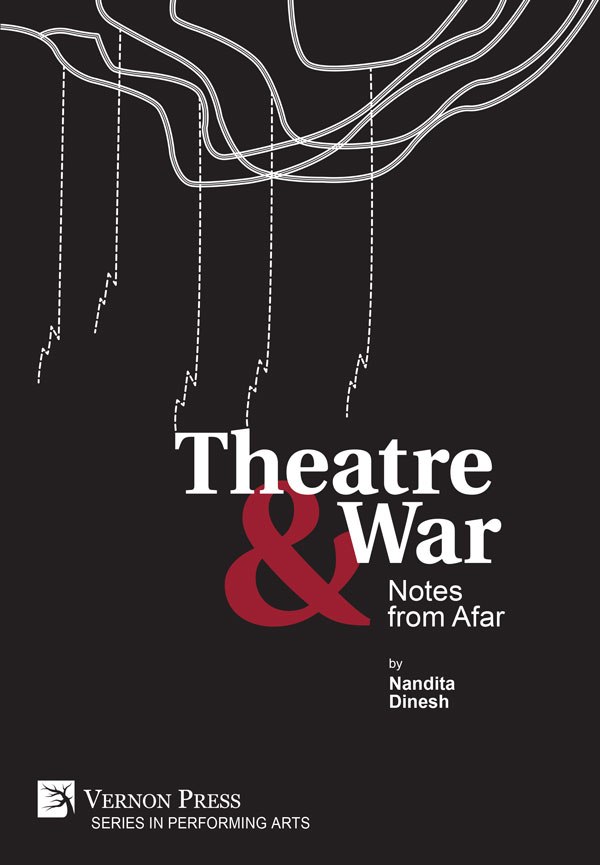
Nandita Dinesh has created an intensely personal reflection on her own practices in theatre making, but it should resonate with most artists who have worked in situations characterised by risk. Largely styled as ‘performative writing’, it is part autoethnography, part script, part documentary, with a dose of the cautionary tale. The critical reflexivity is couched in immersive theatre experiences, with scenarios scripted carefully to prod mercilessly at anyone who has attempted so-called applied theatre, including Dinesh herself. Wry humour characterises the critique of, amongst other things, privilege and guilt, “do-gooders”, voyeuristically “witnessing” another’s pain, education and condescension.
Sections of journal writing, documentary scenes, Facebook-styled posts, letters and scripted conversations lay bare the writer’s (and others’) passionate belief in theatre’s transformative potential, and equally, the doubts whether performance makes a difference in the world. The sacrifices made by theatre artists in war zones emerge in poetic form, juxtaposed with the director who can choose to leave the conflict zone. The pain of compassion fatigue and artist burnout is made evident in imaginary (or perhaps all too real) dialogues between medical practitioners and the artist.
The political focus is clear – in a world that is disintegrating, what is the role of the theatre activist? Two threads run through the book. The first is a discussion of the artist’s ethical and aesthetic choices while working in war zones and as educator of young people. The second is how perceptions of gender, nationality, belonging and privilege raise ethical questions for the artistic practice.
This companion to Dinesh’s previous book, Memos from a Theatre Lab: Spaces, Relationships, and Immersive Theatre, is adventurous, unconventional and honest.
Prof. Veronica Baxter
Faculty of Humanities, University of Cape Town, South Africa
Discover books that expand on the themes explored in this work—titles that engage with similar questions, intersecting disciplines, and complementary perspectives to deepen understanding and broaden the conversation.
Browse all titles
Barry Turner, Daniel Barredo, and Steven James Grattan (Eds.)
View more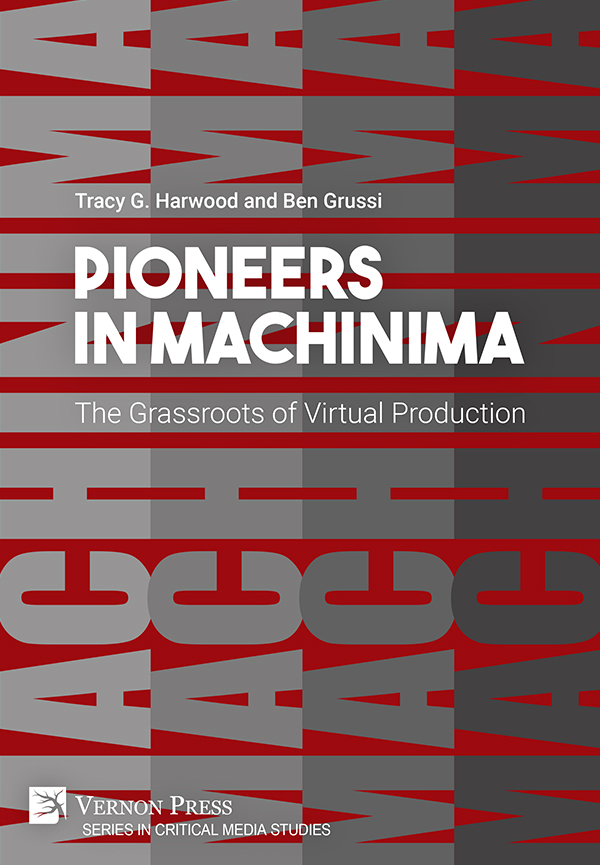
Tracy Gaynor Harwood and Ben Grussi
View more
Frank Jacob and Mark D. Van Ells
View more