Loading...
Please wait while we load the content...

Loading...
Please wait while we load the content...
Stay informed about our latest publications, calls for proposals, and special announcements. As a subscriber, you'll also enjoy exclusive member discounts of 10%-20% on all orders. Join our community of scholars, librarians, and readers today.


Availability
In stock
ISBN
9781622734375
Edition
1
Publication Date
December 14, 2018
Physical Size
236mm x 160mm
Illustrations
2 Color
Number of Pages
246
Currency
Quantity
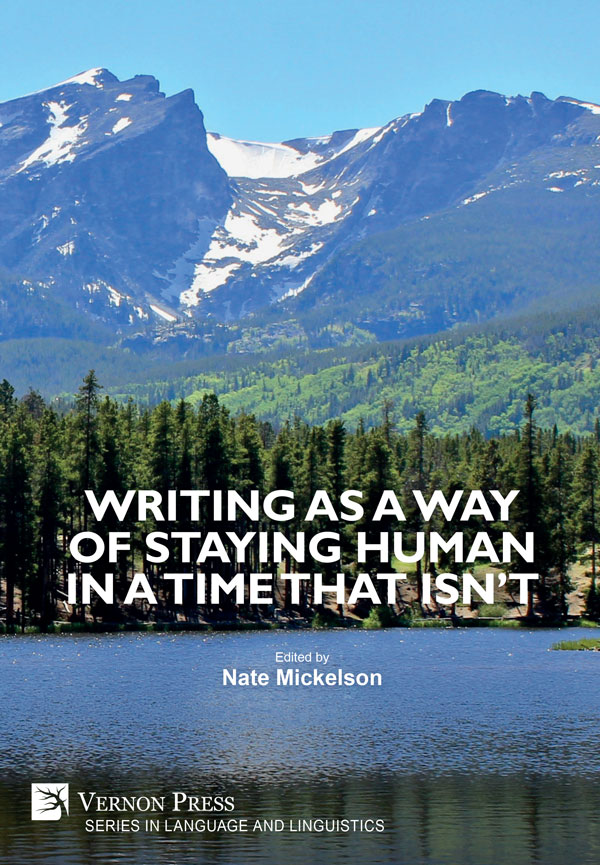
This book is an edited collection for our times, one that speaks to a desperate need to embrace our shared humanity and refocus our individual and collective energies on imagining and working toward a more equitable, peaceful, and humane future. The essays in this collection remind us that writing can be a powerful tool for this purpose. Writing, as described by the authors of these essays, is both a tool for living and a way of being. In this sense, this collection is an antidote to the tendency, so fashionable in Writing Studies and education today, to approach writing as a “transferable” skill, a conception that limits our vision of the humanizing role that writing can play in our lives. Each of these authors contributes to this vision by showing us how writing can be, variously, a practice of empathy, self-realization, caring, well-being, and joy. Without denying the importance of writing as an essential communicative practice, these authors nevertheless reject the prevailing idea that the significance of writing lies primarily in its use as a means of learning and conveying content; rather, these authors describe the transformative possibilities of writing when it is liberated from the constraints of strictly utilitarian purposes. Because the vision of writing presented by these authors is unconventional, some readers might find these essays challenging for the ways in which they call into question mainstream pedagogies and practices. But readers who allow themselves to set aside conventional expectations will be rewarded by the compelling and hopeful accounts of writing’s possibilities that these authors offer us.
Prof. Dr. Robert Yagelski
State University of New York at Albany
Discover books that expand on the themes explored in this work—titles that engage with similar questions, intersecting disciplines, and complementary perspectives to deepen understanding and broaden the conversation.
Browse all titles