Loading...
Please wait while we load the content...

Loading...
Please wait while we load the content...
Stay informed about our latest publications, calls for proposals, and special announcements. As a subscriber, you'll also enjoy exclusive member discounts of 10%-20% on all orders. Join our community of scholars, librarians, and readers today.


Availability
In stock
ISBN
9781622730964
Edition
1
Publication Date
March 15, 2017
Physical Size
236mm x 160mm
Illustrations
24 Color
Number of Pages
420
Currency
Quantity
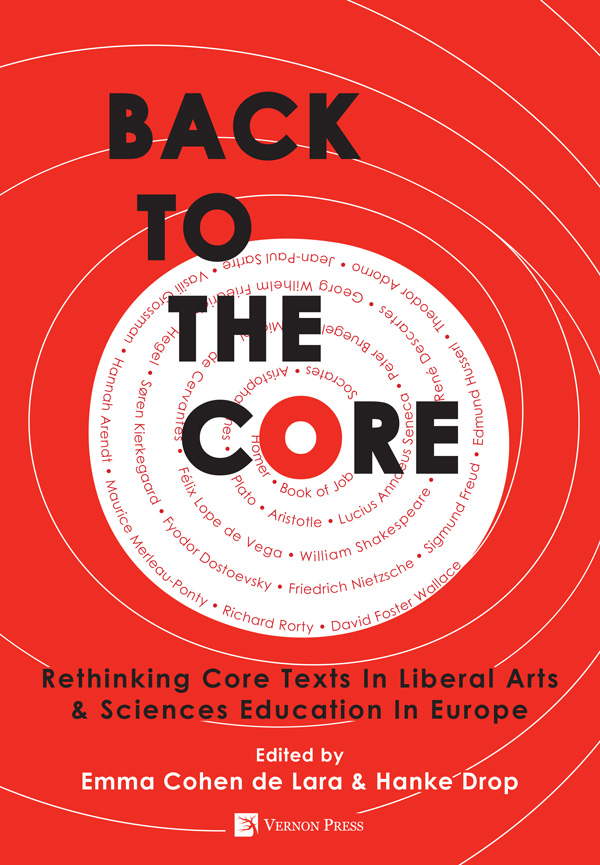
<i>“This collection of essays admirably reflects the Association for Core Texts and Courses conference in Amsterdam in September 2015 from which it was generated. The watchword is inclusiveness: authors from a variety of departments are represented from across the United States and Europe, there are no limits on what texts can be examined - from Plato to Wallace - and no restrictions on the approach taken toward the text. The spirit of experimentation pervades the writing and thinking and assures the existence of the kind of seminar protocol that was first elucidated by Socrates. His only rule in conversation was for his speakers to say what they truly thought, and what better way to stimulate original thought? This is a splendid achievement for the cause of interdisciplinarity.”</i>
Norma Thompson, Yale University
<i>“This volume is an important resource for anyone thinking about how to approach liberal arts education in a time of vertiginous technological and social change. It is particularly valuable for those who care about reviving a true liberal arts tradition in European universities. The tasks and commitments described in this volume are not only academic, but have clear implications for broader social questions and for the kind of world we wish to live in. The volume engages both in theory and practice, debate and exposition, and offers a broad range of approaches to the use of core texts in the education of whole persons. In its breadth and reach, the volume itself offers a model of the variety, richness, and complexity of the liberal arts endeavor. Faculty, university leaders, and students of the liberal arts tradition will find the essays in this collection richly rewarding.”</i>
Roosevelt Montás, Columbia University
Discover books that expand on the themes explored in this work—titles that engage with similar questions, intersecting disciplines, and complementary perspectives to deepen understanding and broaden the conversation.
Browse all titles