Loading...
Please wait while we load the content...

Loading...
Please wait while we load the content...
Zimbabwe Open University, Zimbabwe
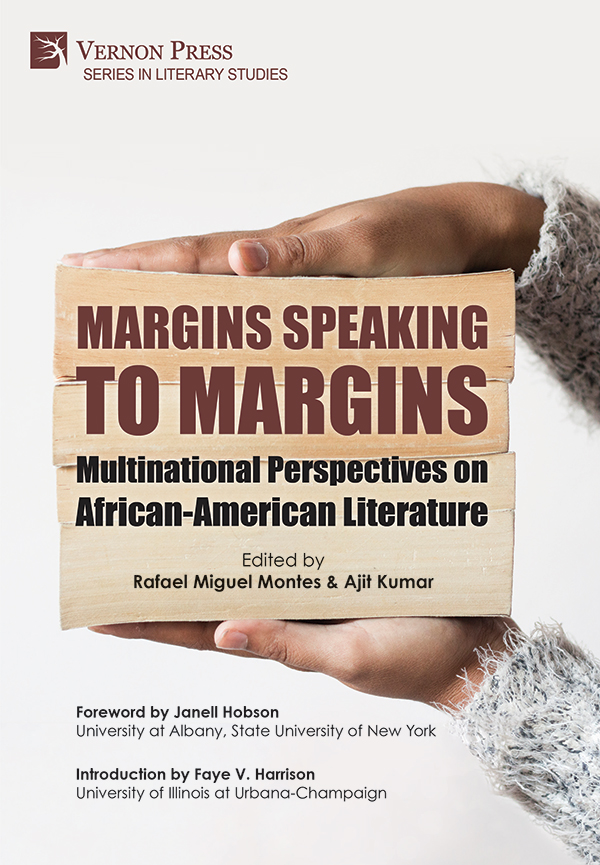
Baliram N. Gaikwad, Amrita Basu Roy Chowdhury, Parinita Sinha, Nodhar Hammami Ben Fradj, Bhawana Pokharel, Marinela Nicoara, Rafseena M., Dokubo Melford Goodhead, Florica Bodiştean, Faye V. Harrison, Janell Hobson, Angeline Mavis Madongonda, Enna Sukutai Gudhlanga, and Nadia Boudidah Falfoul
African-American scholars in the United States and Western Europe continue to concentrate on African-American literary studies. The expanding interest in Caribbean publishing, which focuses on the intersection of Afro-Caribbean and African-American communities, indicates that there is an expanding academic readership for African-American narrative studies and other intellectual outputs from other countries. This collection features writers from underrepresented countries, including India, Tunisia, Romania, Morocco, Zimbabwe, Nigeria, and South Africa, discussing their perspectives on African-American narratives. The collection is rich in pedagogical vibrancy, as many academics teach African-American literature to national students. It explores how non-American contributors teach African-American narratives to a global audience, aiming to help academics envision teaching narratives outside their comfortability and understanding a culture they may not have contact with. This collection aims to provide meaningful re-readings of these works, recognizing the potential for change and promoting inclusivity in Women's Writings and Marginal Literature.
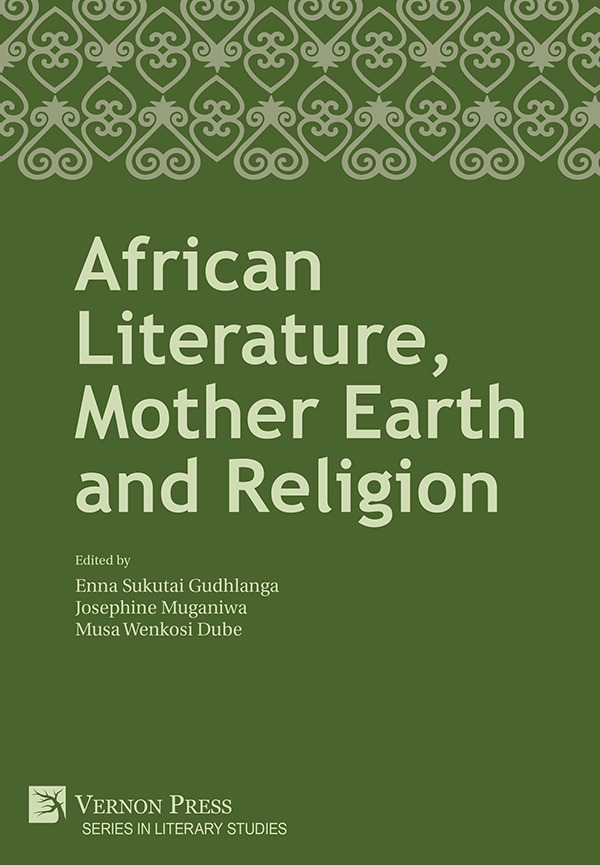
Musa Wenkosi Dube, Josephine Muganiwa, Ivy Musekiwa, Sarah Yeukai Matanga, Melania Mancuveni, Nicole Ashwood, Angeline Mavis Madongonda, Dinah Kereeditse Itumeleng, Rosaleen Oabona Brankie Nhlekisana, Keketso Christina Sepere, Paul Lekholokoe Leshota, and Tinyiko Maluleke
This book is a collection of essays that explore the intersection of Earth, Gender and Religion in African literary texts. It examines cultural, religious, theological and philosophical traditions, and their construction of perspectives and attitudes about Earth-keeping and gender. This publication is critical given the current global environmental crisis and its impact on African and global communities. The book is multidisciplinary in approach (literary, environmental, theological and sociological), exploring the intersection of African creative work, religion and the environment in their construction of Earth and gender. It presents how the gendered interconnectedness of the natural environment, with its broad spirituality and deep identification with the woman, features prominently in the myths, folklores, legends, rituals, sacred songs and incantations that are explored in this collection. Both male and female writers in the collection laud and accept woman’s enduring motif as worker, symbol and guardian of the environment. This interconnectedness mirrors the importance of the environment for the survival of both human and non-human components of Mother Earth. The ideology of women’s agency is emphasised and reinforced by ecofeminist theologians; namely those viewing African women as active agents working closely with the environment and not as subordinates. In the context of the environmental crisis the nurturing role of women should be bolstered and the rich African traditions that conserved the environment preserved. The book advocates the re-engagement of women, particularly their knowledge and conservation techniques and how these can become reservoirs of dying traditions. This volume offers recorded traditions in African literary texts, thereby connecting gender, religion and the environment and helpful perspectives in Earth-keeping.