Loading...
Please wait while we load the content...

Loading...
Please wait while we load the content...
University of Puget Sound in Tacoma
Angel Sloss-Pridgen, Jeri Ewert, Michelle Wise, Luca Sarti, Cody Parish, Zöe McLaughlin, Rachel McShane, Máire Ní Mhórdha, Aneta Stępień, Carla Plieth, Laura Beal, Caitlin Metheny, Tatiana Konrad, and Alison Tracy Hale
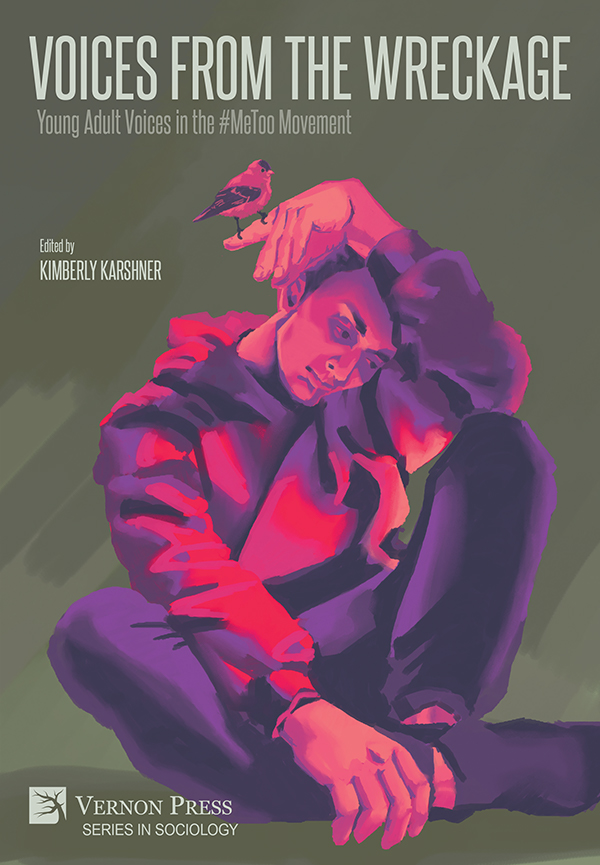
'Voices From the Wreckage: Young Adult Voices in the #MeToo Movement' is an edited collection by Kimberly Greenfield Karshner (Lorain County Community College). This collection focuses on situating young adult voices in the #MeToo movement, and into American culture and identity. Children’s and young adult literature is an area of study that has rapidly evolved in the past ten years, bringing previously silenced voices to light. This is especially true for YA LGBTQ+ voices, and also for young narrators who are not only discovering, celebrating, and coming to terms with their identities, but also dealing with assaults on their identities. This collection will build on what writers like Laurie Halse Anderson have begun, first with her groundbreaking book on sexual assault, 'Speak', published in 1999, and more currently, her follow-up book, 'Shout' (2019). These authors continue what Anderson started, exploring texts from the perspectives of YA male and female voices, Native American and international perspectives, and LGBTQ+ character representation. Chapters investigate various literary forms such as graphic novels, memoirs, and novels, and cover topics such as sexual desire, consent, trauma, and survivorship. The literature featured in this volume will assure young people that they can tell their stories and that they will be heard. 'Voices From the Wreckage' will be a valuable tool for anyone who teaches Young Adult Literature, or for those who are avid readers and fans of the genre. The authors in this collection are starting and continuing very important conversations on the topic of sexual abuse and trauma, a conversation necessary for the intended audiences of these books, and for adult readers and teachers who are facilitating the emotions connected to these topics.
Kerry L. Goldmann, Kade Ivy, Julie Richter, Alison Tracy Hale, Katherine Curtis, Shira Lurie, Kaitlin Tonti, Eric Medlin, Kristin Leadbetter, and Larissa Knopp
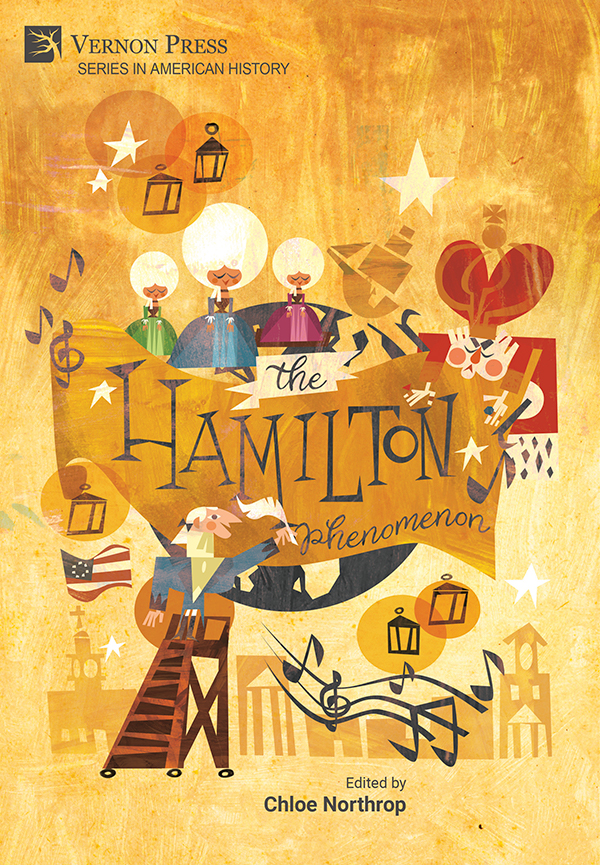
'The Hamilton Phenomenon' brings together a diverse group of scholars including university professors and librarians, educators at community colleges, Ph.D. candidates and independent scholars, in an exploration of the celebrated Broadway hit. When Lin-Manuel Miranda’s musical sensation erupted onto Broadway in 2015, scholars were underprepared for the impact the theatrical experience would have. Miranda’s use of rap, hip-hop, jazz, and Broadway show tunes provides the basis for this whirlwind showcase of America’s past through a reinterpretation of eighteenth-century history. Bound together by their shared interest in 'Hamilton: an American Musical', the authors in this volume diverge from a common touchstone to uncover the unique moment presented by this phenomenon. The two parts of this book feature different emerging themes, ranging from the meaning of the musical on stage, to how the musical is impacting pedagogy and teaching in the 21st century. The first part places Hamilton in the history of theatrical performances of the American Revolution, compares it with other musicals, and fleshes out the significance of postcolonial studies within theatrical performances. Esteemed scholars and educators provide the basis for the second part with insights on the efficacy, benefits, and pitfalls of teaching using Hamilton. Although other scholarly works have debated the historical accuracy of Hamilton, 'The Hamilton Phenomenon' benefits from more distance from the release of the musical, as well as the dissemination of the hit through traveling productions and the summer 2020 release on Disney+. Through critically engaging with Hamilton these authors unfold new insights on early American history, pedagogy, costume, race in theatrical performances, and the role of theatre in crafting interest in history.