Loading...
Please wait while we load the content...

Loading...
Please wait while we load the content...
University of Kairouan, Tunisia
Baliram N. Gaikwad, Amrita Basu Roy Chowdhury, Parinita Sinha, Nodhar Hammami Ben Fradj, Bhawana Pokharel, Marinela Nicoara, Rafseena M., Dokubo Melford Goodhead, Florica Bodiştean, Faye V. Harrison, Janell Hobson, Angeline Mavis Madongonda, Enna Sukutai Gudhlanga, and Nadia Boudidah Falfoul
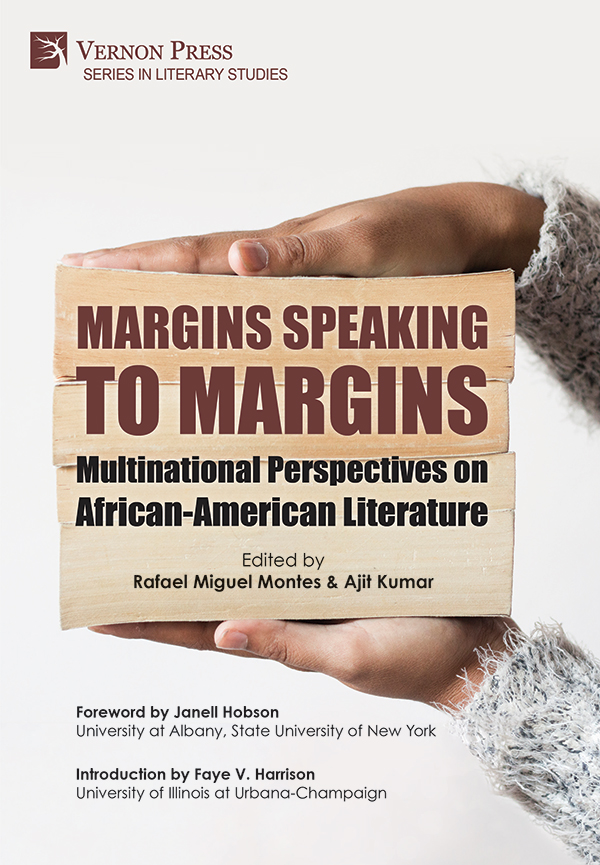
African-American scholars in the United States and Western Europe continue to concentrate on African-American literary studies. The expanding interest in Caribbean publishing, which focuses on the intersection of Afro-Caribbean and African-American communities, indicates that there is an expanding academic readership for African-American narrative studies and other intellectual outputs from other countries. This collection features writers from underrepresented countries, including India, Tunisia, Romania, Morocco, Zimbabwe, Nigeria, and South Africa, discussing their perspectives on African-American narratives. The collection is rich in pedagogical vibrancy, as many academics teach African-American literature to national students. It explores how non-American contributors teach African-American narratives to a global audience, aiming to help academics envision teaching narratives outside their comfortability and understanding a culture they may not have contact with. This collection aims to provide meaningful re-readings of these works, recognizing the potential for change and promoting inclusivity in Women's Writings and Marginal Literature.
Ayub Sheik, Mohona Banerjee, Ricardo Rato Rodrigues, Anik Sarkar, Ronja Tripp-Bodola, Edward Grimble, Sindiso Zhou, Nhlanhla Landa, Victoria Lupascu, Nina Muždeka, Anda Pleniceanu, Jamil Ahmed, Amy W S Lee, Gabriel Quigley, Nadia Boudidah Falfoul, Seunghyun Shin, Meltem Gürle, Tatiana Prorokova, and Chloe Leung
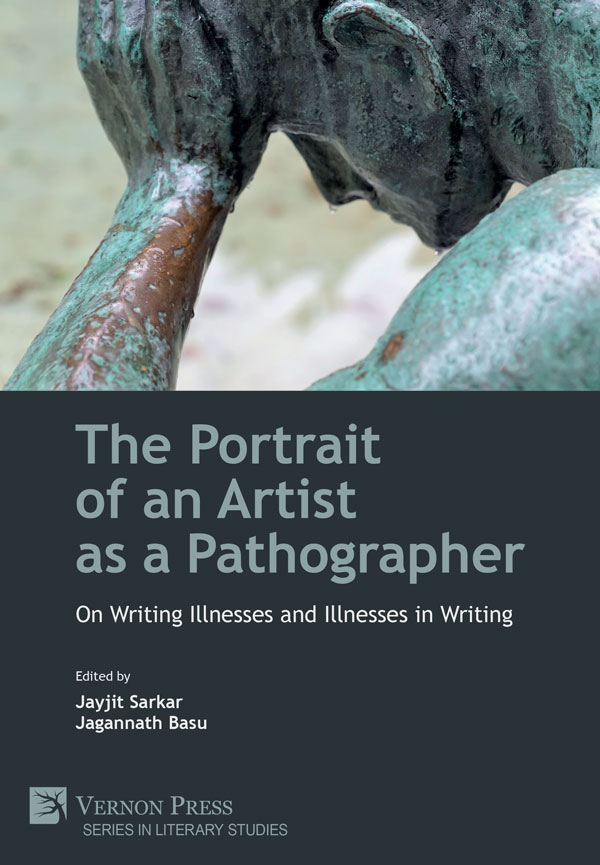
Focusing on the various intersections between illness and literature across time and space, The Portrait of an Artist as a Pathographer seeks to understand how ontological, phenomenological and epistemological experiences of illness have been dealt with and represented in literary writings and literary studies. In this volume, scholars from across the world have come together to understand how the pathological condition of being ill (the sufferers), as well as the pathologists dealing with the ill (the healers and caregivers), have shaped literary works. The language of medical science, with its jargon, and the language of the every day, with its emphasis on utility, prove equally insufficient and futile in capturing the pain and suffering of illness. It is this insufficiency and futility that makes us turn towards the canonical works of Joseph Conrad, Samuel Beckett, William Carlos Williams, Virginia Woolf, Kazuo Ishiguro, Miroslav Holub as well as the non-canonical António Lobo Antunes, Yumemakura Baku, Wopko Jensma and Vaslav Nijinsky. This volume helps in understanding and capturing the metalanguage of illness while presenting us with the tradition of ‘writing pain’. In an effort to expand the definition of pathography to include those who are on the other side of pain, the essays in this collection aim to portray the above-mentioned pathographers as artists, turning the anxiety and suffering of illness into an art form. Looking deeply into such creative aspects of illness, this book also seeks to evoke the possibility of pathography as world literature. This book will be of particular interest to undergraduate, postgraduate and research students, as well as scholars of literature and medical humanities who are interested in the intersections between literary studies and medical science.