Loading...
Please wait while we load the content...

Loading...
Please wait while we load the content...
Shanghai Normal University
Tsaiyi Wu
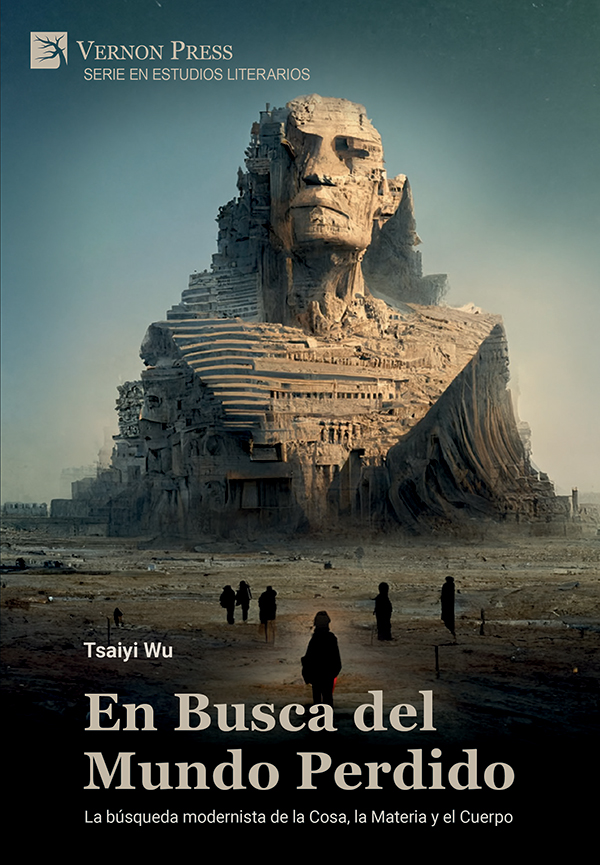
Este libro estudia, desde una perspectiva histórica, como los artistas modernistas, esa primera generación que empezó a reflexionar de manera intensa sobre el legado del Idealismo Alemán, buscó recrear el “yo” para recrear su relación con el mundo material. Teóricamente, el libro mantiene una conversación con los típicos intereses desantropocéntricos del siglo XXI y propone que el artista pueda escapar del antropocentrismo a través de la transformación del yo. La Parte Una, “Artificialidad” abre el debate con el culto del fin de siglo a la artificialidad, en el que los artistas como Theophile Gautier, Charles Baudelaire, J.K. Huysmans y Gustave Moreau se dedicaron a mostrar su amor por las esfinges pétreas, las estatuas de mármol o las apariencias inorgánicas. El culto a la artificialidad es una subversión perversa de la máxima de Hegel en la que la introspección es superior a la materia. En el culto a la artificialidad, el arte es superlativo a la naturaleza, incluso aunque el arte no se defina ya como imaginación inmaterial sino se reconfigure como una manifestación misteriosa que desafía al significado y subyuga al corazón sensible. La Parte Dos, “Ficción Autofilosófica” argumenta acerca del género en el que los artistas (Marcel, Proust, Walter Pater y Virginia Woolf) fijan las ideas filosóficas en el laboratorio de sus vidas y por lo tanto traducen a sus ideales estéticos —es decir, la manera en la que desean relacionarse con el mundo —en un viaje de auto examinación y autocultivo. En la novela de Pater, 'Mario el Epicúreo' el héroe explora como un percepto filosófico se puede traducir a sentimientos y acciones, demostrando que la literatura es un acercamiento único a la verdad ya que convierte la teoría en una experiencia transformadora. Mediante la exploración de los últimos descubrimientos de la psicología empirista, el artista busca escapar de la trampa Kantiana mediante el desarrollo de sus poderes de recepción y registrar pensamientos pasajeros y sensaciones. En resumen, el libro discute sobre como el desantropocentrismo no puede predicarse a través de una metafísica que presume que la subjetividad universal debe ser una forma de investigación estética que recrea al “yo” para recrear nuestras relaciones con el universo.
Tsaiyi Wu
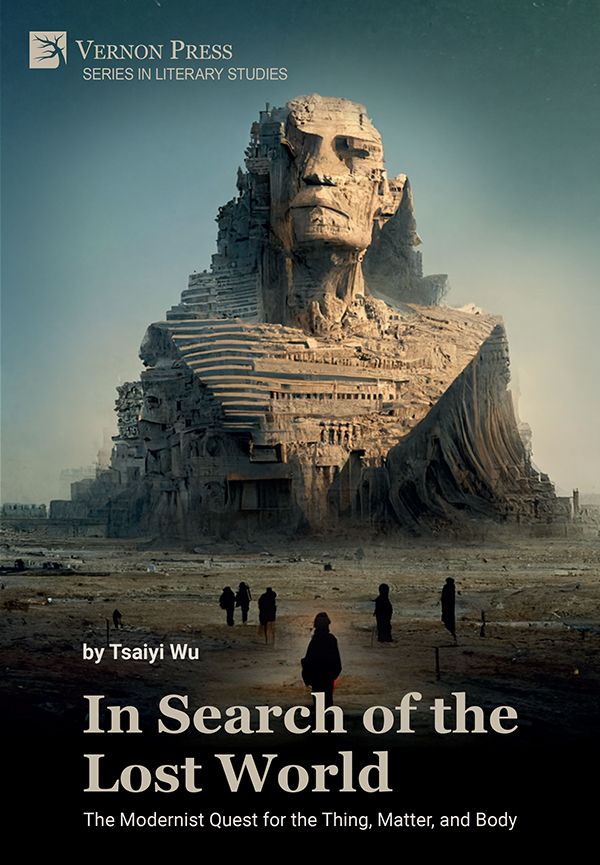
From a historical perspective, the book studies how modernist artists, as the first generation who began to rethink intensively the legacy of German Idealism, sought to recreate the self so as to recreate their relationships with the material world. Theoretically, the book converses with the topical de-anthropocentric interests in the 21st century and proposes that the artist may escape human-centeredness through the transformation of the self. Part One, “Artificiality,” begins the discussion with the fin-de-siècle cult of artificiality, where artists such as Theophile Gautier, Charles Baudelaire, J.K. Huysmans, and Gustave Moreau dedicate themselves to love stony sphinxes, marble statues, and inorganic appearances. The cult of artificiality is a mischievous subversion to Hegel’s maxim that inwardness is superior to matter. In the cult of artificiality, art is superior to nature, though art is no longer defined as immaterial imagination but rather reconfigured as mysterious appearances that defy signification and subjugate the feeling heart. Part Two, “Auto-philosophical Fiction,” discusses the genre where the artists (Marcel Proust, Walter Pater, and Virginia Woolf) set philosophical ideas in the laboratory of their lives and therefore translate their aesthetic ideals—the way they wish to relate to the world—into a journey of self-examination and self-cultivation. In Pater’s novel 'Marius the Epicurean', the hero explores how a philosophical percept may be translated into sentiments and actions, demonstrating that literature is a unique approach to truth as it renders theory into a transformative experience. Exploring the latest findings of empiricist psychology, the artists seek to escape the Kantian trap by cultivating their powers of reception and to register passing thoughts and sensations. Together, the book argues that de-anthropocentrism cannot be predicated upon a metaphysics that presumes universal subjectivity but must be a form of aesthetic inquiry that recreates the self in order to recreate our relationships with the world.