Loading...
Please wait while we load the content...

Loading...
Please wait while we load the content...
Perez University College, Ghana
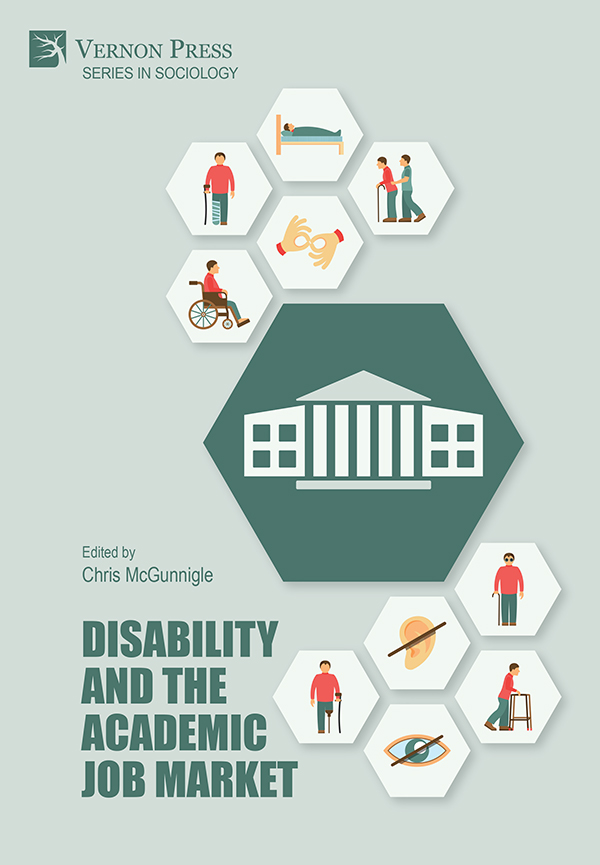
Tessa-May Zirnsak, Steve Singer, Ricardo D. Ramirez, Kenya Mitchell, Susan Magasi, Travis Chi Wing Lau, Cara E. Jones, Jennifer M. Gagnon, Benjamin Habib, Davyd W. Chung, Chad Chisholm, Janelle Capwell, Zahra Alidousti, Mohsen Aghabozorgi Nafchi, Sean Dineen, Daniel Nii Aboagye Aryeh, and Chris McGunnigle
"Disability and the Academic Job Market" examines ableist structures in academia that inherently create obstacles to full-time employment for people with a disability. Based on historical and contemporary scholarship, it has been shown how disclosure of a disability can have profound repercussions for a scholar with a disability. Scholars with a disability are often inhibited from applying to or being promoted in academia because of direct discrimination, negative perception towards people with a disability, inaccessible physical and performance conditions, and social models of disability that characterize disability as unproductive, abnormal, and risky. While scholarship has addressed ableism in academia, it has not strongly focused on the specific difficulties and barriers that a person with a disability faces when applying for a full-time academic position. This book seeks to provide a resource that brings to light ableist conditions in the academic hiring process through the lived experiences of scholars with a disability, with hope to implement change in these situations. This collection presents a combination of personal narrative and scholarship from academics with a disability who have navigated the academic job market, with additional contributions from non-disabled allies who have advocated for change in academic structures. Our collection begins by expressing the concerned experiences of students entering the academic job market, followed by scholars who have more fully lived through the obstacles of the academic market in both contingent and tenure track positions. A vital focus of this collection is on intersectionality as chapters draw from interactions between disability and race, gender, and sexuality across international contexts. Important topics discussed throughout the collection include systemic ableism, disclosure, the job interview, academic workaholism, and lack of accommodations.
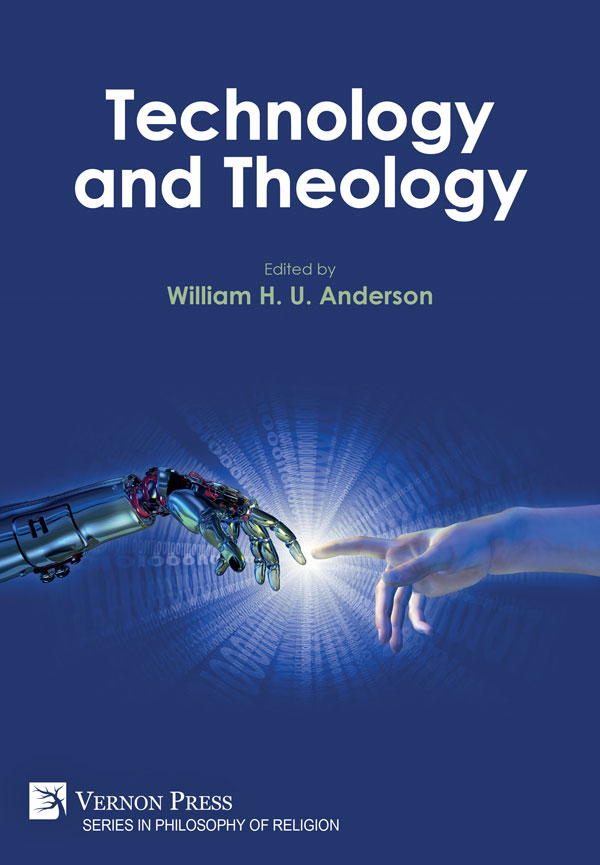
Daniel Nii Aboagye Aryeh, Jonathan Strand, Robb Torseth, John Swann, Grant Poettcker, Aaron Piel, Hazik Mohamed, Justin McLendon, Lucky Mutanga, Robert Matikiti, Adam Lloyd Johnson, Kaz Hayashi, Peter Bush, Cagdas Dedeoglu, John Paul Arceno, and Erin Archer
Technology is growing at an exponential rate vis-à-vis humanity’s ability to control it. Moreover, the numerous ethical issues that technology raises are also troubling. These statements, however, may be alarmist—since Telus would tell us “The Future is Friendly”. The Modernist vision of the future was utopic, for instance Star Trek of the 1960s. But postmodern views, such as are found in Blade Runner 2049, are dystopic. Theology is in a unique interdisciplinary position to deal with the many issues, pro and con, that technology raises. Even theologians like Origen in the third century and Aquinas in the thirteenth century made forays into Artificial Intelligence and surrounding issues (they just didn’t know it at the time). Artificial Intelligence (AI) and Transhumanism raise questions about what it means to be human. What is consciousness? What is soul? What are life and death? Can technology really save us and give us eternal life? Theology is in a unique position to handle these questions and issues. This book also has practical applications in terms of ecclesiology (church) in the context of the COVID-19 pandemic—both in terms of what it means to be a church and in terms of the sacraments or ordinances. Is there such a thing as a “Virtual Church” or must we gather physically to constitute one? Are Baptism and Communion legitimate if one is not physically in a church building but are “online”? This book struggles with these and many other questions which will help the scholar or reader make up their own minds, however tentatively.