Loading...
Please wait while we load the content...

Loading...
Please wait while we load the content...
Concordia University of Edmonton in Alberta
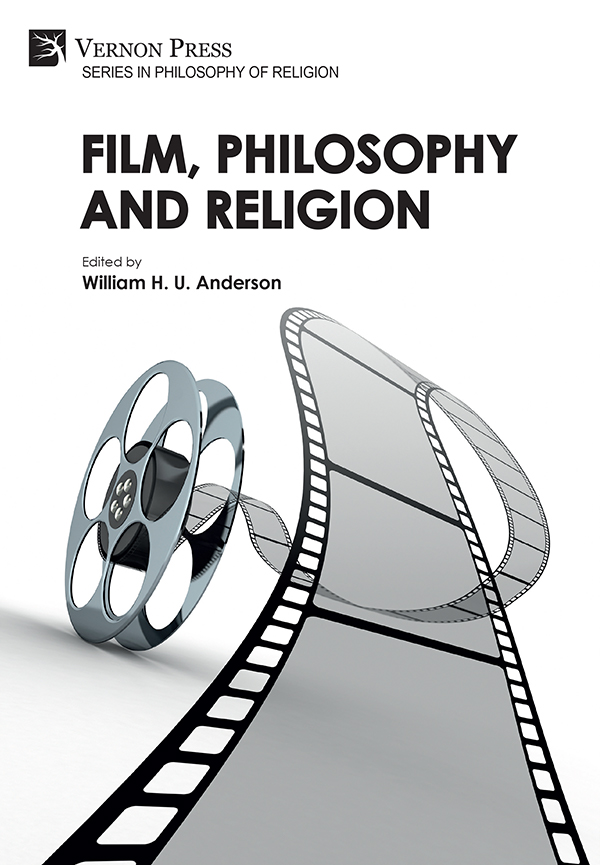
Şeyma Balcı, Floribert Patrick C. Endong, Vinod Balakrishnan, Anupama A. P., Zeke Saber, Stefano Bigliardi, Giese Ted, Travis Dumsday, William Bowes, Matthew Small, Sarah Cameron, Justin McLendon, Robert Matikiti, John Paul Arceno, Erin Archer, Jonathan Strand, and William H. U. Anderson
Hollywood is a $40 billion annual business, one that is highly influential in culture. If we want to know who we are as individuals and a society, what we believe and what we value, we need to know and understand Hollywood and film. Make no mistake, Hollywood is neither philosophically, politically, nor morally neutral! Many studies demonstrate how movies “affect” us long before we have thought it through. In other words, Hollywood “smuggles” all kinds of ideas into our minds and hearts without us even knowing it. While Hollywood may be the biggest and most influential in the world, this book will demonstrate the growing international influence of film from India (Bollywood), Nigeria (Nollywood), Zimbabwe (Zollywood) and Yesilçam (Turkey). 'Film, Philosophy and Religion' explicitly and implicitly takes a philosophical approach to analyzing film theoretically and methodologically. There are topic and film-specific chapters that take a theological approach, and others that explore ideas like Affect, Axiology, Art Reflecting the Artist and Transcendence (Spirituality) of Film. Hermeneutics also have a central role in the book, including films based on biblical texts that act as interpretations of these texts and fill in the blanks (albeit speculatively by way of script and directors). Chapters also explore the philosophy of aesthetics and film realism which end with theology, while other chapters explore the incompatibility of science with religion, as well as a chapter on the timely topic of rape in Turkish film. The book’s scope goes from the “Horror of Evil in Ridley Scott’s Alien Universe” to “Love Can Thaw a Frozen Heart: The Philosophy of Love in the Frozen Films” (Disney Princess Narratives). This book represents international films and scholars. The diverse perspectives from theist to atheist—and everything in-between—are sure to spark thinking and generate talking points that provide something for everyone in an accessible format. It will be of great interest to university students and professors, scholars, seminaries, and the general public.
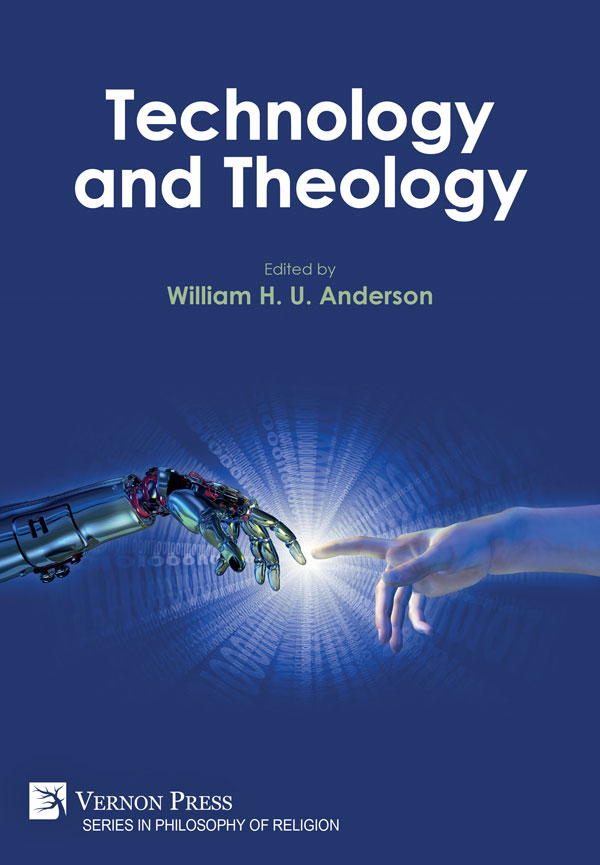
Robert Matikiti, Robb Torseth, John Swann, Grant Poettcker, Aaron Piel, Hazik Mohamed, Justin McLendon, Lucky Mutanga, Kaz Hayashi, Peter Bush, Cagdas Dedeoglu, John Paul Arceno, Erin Archer, Daniel Nii Aboagye Aryeh, Jonathan Strand, and Adam Lloyd Johnson
Technology is growing at an exponential rate vis-à-vis humanity’s ability to control it. Moreover, the numerous ethical issues that technology raises are also troubling. These statements, however, may be alarmist—since Telus would tell us “The Future is Friendly”. The Modernist vision of the future was utopic, for instance Star Trek of the 1960s. But postmodern views, such as are found in Blade Runner 2049, are dystopic. Theology is in a unique interdisciplinary position to deal with the many issues, pro and con, that technology raises. Even theologians like Origen in the third century and Aquinas in the thirteenth century made forays into Artificial Intelligence and surrounding issues (they just didn’t know it at the time). Artificial Intelligence (AI) and Transhumanism raise questions about what it means to be human. What is consciousness? What is soul? What are life and death? Can technology really save us and give us eternal life? Theology is in a unique position to handle these questions and issues. This book also has practical applications in terms of ecclesiology (church) in the context of the COVID-19 pandemic—both in terms of what it means to be a church and in terms of the sacraments or ordinances. Is there such a thing as a “Virtual Church” or must we gather physically to constitute one? Are Baptism and Communion legitimate if one is not physically in a church building but are “online”? This book struggles with these and many other questions which will help the scholar or reader make up their own minds, however tentatively.
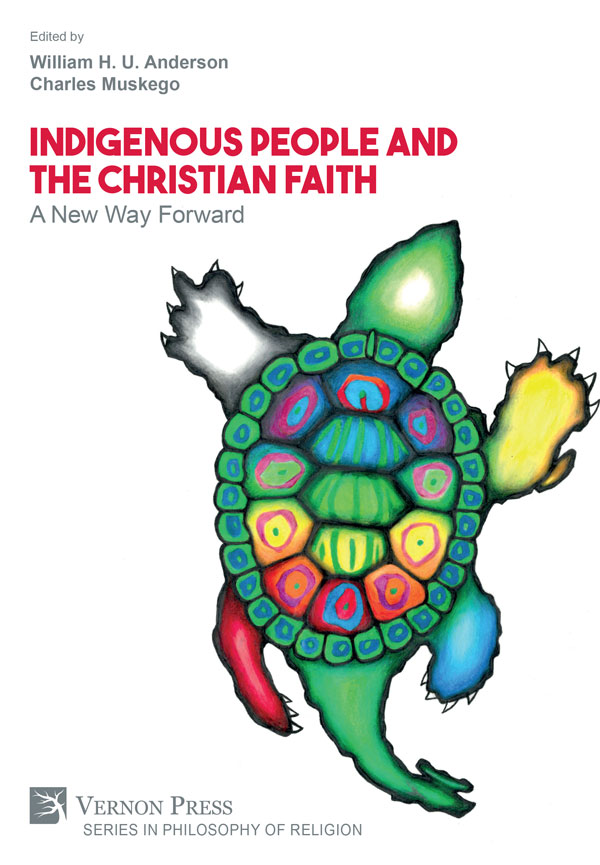
Fidelis ‘Deji Olokunboro, Daniel Nii Aboagye Aryeh, Jonathan Strand, Tobias Schuckert, Alba Suarez Rodriguez, Matthew Oliver, Martin Nord, Noelia Suarez Montoto, Stephen W. Martin, Terry LeBlanc, Vinod John, Paula Guerra, Clara Allejo Cotareloarelo, Catherine Caufield, Rocio Riestra-Camacho, and Eric Bates Eric Bates
Indigenous People and the Christian Faith: A New Way Forward provides detailed historical, cultural and theological background and analysis to a very delicate and pressing subject facing many people around the world. The book is “glocal”: both local and global, as represented by international scholars. Every continent is represented by both Indigenous and non-indigenous people who desire to make a difference with the delicate problematics and relationships. The history of Indigenous people around the world is inextricably linked with Christianity and Colonialism. The book is completely interdisciplinary by employing historians, literary critics, biblical scholars and theologians, sociologists, philosophers and ordained engineers. The Literary Intent of the book, without presuming nor claiming too much for itself, is to provide practical thinking that will help all people move past the pain and dysfunction of the past, toward mutual understanding, communication, and practical actions in the present and future.