Loading...
Please wait while we load the content...

Loading...
Please wait while we load the content...

Jonathan Ventura, Dina Shahar, Joyce Yee, Mashal Khan, James Fathers, Heather Wiltse, Jen Archer-Martin, Stephanie Carleklev, Delfina Fantini van Ditmar, Danièle Hromek, Jacqueline Gothe, Arturo Escobar, Alfredo Gutiérrez-Borrero, Elaine Igoe, Saurabh Tewari, Clive Dilnot, Chiara Alessi, Emmanuel Tsekleves, Mark Roxburgh, Marco Petroni, Constantin Boym, Maya Dvash, Peter Lloyd Jones, Will Holman, Nelly Ben Hayoun, Craig Bremner, Cathy Treadaway, and Paul A. Rodgers
Theories normally seek to explain something. 118 Theories of Design[ing] asks us to question those explanations. By focusing on a broad range of somewhat overlooked and undervalued essays, papers, book articles, words, terms, authors and phenomena that swirl around design[ing], the reader is encouraged to read, reflect and question everything. This original book will appeal to a global market of university faculty heads and deans, museum directors, design educators, design researchers, key design practitioners, publishers, members of the design media, and undergraduate, postgraduate and post-doctoral students of design.
Paul A. Rodgers, Rachel Cooper, Helen Charman, Agata Jaworska, Silvio Lorusso, Lou Yongqi, Peter Childs, Mark Roxburgh, Amaresh Chakrabarti, Clive Dilnot, Marco Petroni, Maya Dvash, Constantin Boym, Giovanni Innella, Craig Bremner, Babette Allina, Tim Marshall, Nelly Ben Hayoun, Will Holman, Peter Lloyd Jones, and Justin McGuirk
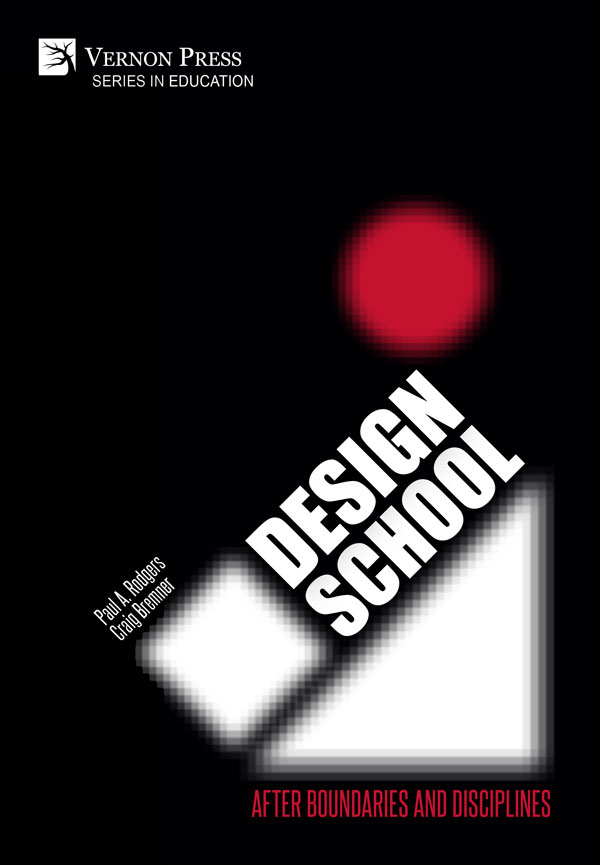
By examining the contemporary situation of the Design School from a global perspective, this book explores how the structure of design learning and teaching, research and practice, is being transformed by a number of internal, external, and contextual factors and the implications of these factors for future iterations of the Design School. Exploring contemporary design education, this book asks whether Design Schools are shaping a new type of designer, or if tomorrow’s designers will emerge from other professions such as business, health care, education, and computing, where design ‘thinking’ is now regularly applied. The book is proposed at a time when governments and markets across the world are reshaping education. In a time of rapid and intensive change, it looks internationally at the shape of the Design School of the future. The book has been developed from a series of summits that explored the future of the contemporary Design School informed by international perspectives from high level invited speakers from design education, culture and industry who were asked: * How can a Design School in the age of the Anthropocene best prepare future designers for this complex world? * How can the Design School maximize the potential opportunities suggested by this future, uncertain world at a time of rapid and intensive change? * Having changed the planet how should the Design School react to the planet changing us? The three summits reflect three significant turns in the contemporary Design School. The first focused on the current issues surrounding the Design School from the academic perspective. The second summit examined the increasingly intensive relationship between industry and Design Schools. The third summit focused on the increasingly close relationship between the Design School and the Cultural Sector. The book includes essays from the expanding landscape of the Design School, including educational providers, the design museum sector, the international design festival circuit and influential practitioners engaged in design education. The essays in this book provide a valuable, comprehensive examination of the future of the Design School and render a unique forecast of its probable trajectory.