Loading...
Please wait while we load the content...

Loading...
Please wait while we load the content...
American International College
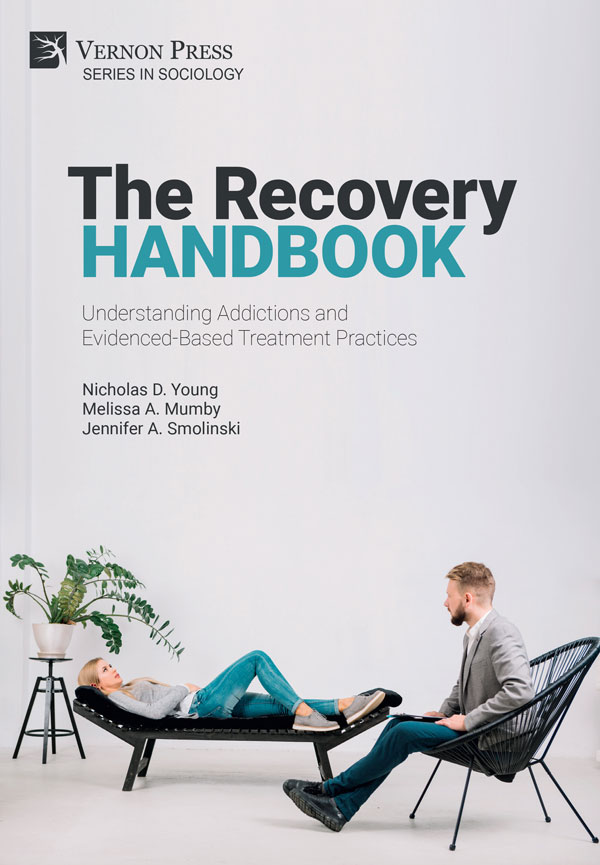
Nicholas D. Young, Jennifer A. Smolinski, and Melissa A. Mumby
Addiction is rapidly becoming one of the most significant challenges to mental health today. According to the latest National Survey on Drug Use and Health (NSDUH, 2018), 19.7 million Americans, aged 12 and older, battled a substance disorder alone in 2017. Additionally, 8.5 million of those individuals also suffered from a mental health disorder, with millions more suffering from a range of other addictive disorders and associated behaviors that interfere with physical, social and emotional health. These alarming statistics highlight the crucial need for mental health providers to be kept up to date with the latest research on the full range of addiction treatment and recovery. ‘The Recovery Handbook: Understanding Addictions and Evidenced-Based Treatment Practices’ provides a comprehensive examination of the various forms of addiction, its physical and mental complexities, and, unlike other sources on addiction, effective evidence-based interventions that promote a healthy recovery. Particular attention is given to the nature of addiction, including environmental, genetic, and developmental factors; with authors examining the short- and long-term effects of a variety of addictions such as drug, alcohol, gambling, food, sex, shopping, work, and video gaming to name a few. This book will serve as a valuable resource for counselors, psychologists, professors, graduate students in the helping professions, as well as families of addicts, co-workers, and those suffering from addiction themselves.
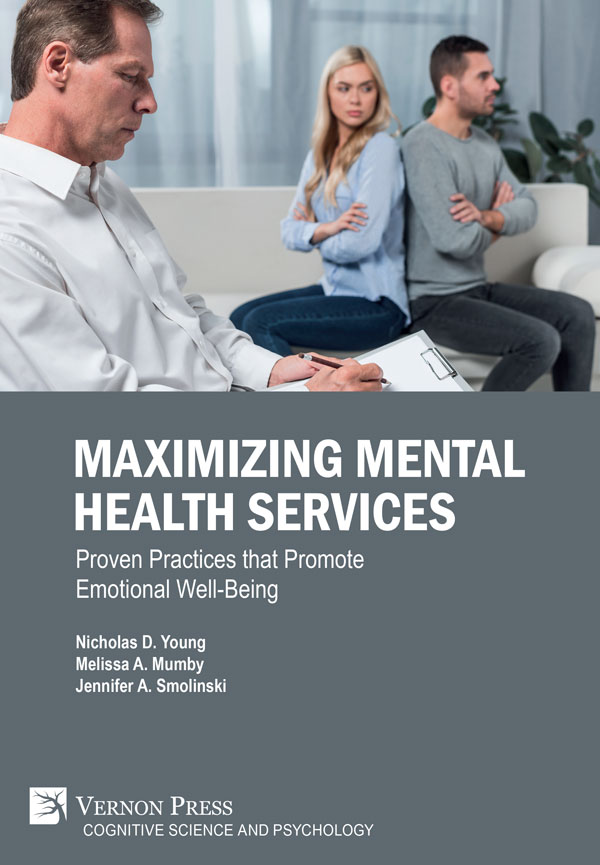
Nicholas D. Young, Melissa A. Mumby, and Jennifer A. Smolinski
'Maximizing Mental Health Services: Evidence-Based Practices that Promote Emotional Well-Being' examines best therapeutic practices for patients, therapists, graduate professors, family members and all who struggle to find the most effective treatment modalities for those dealing with mental health challenges. Mental health issues are rising at an alarming rate, while positive therapeutic outcomes have not kept pace and remain low for many conditions, making an investigation of evidence-based treatment options critically important to the helping profession. While certain types of therapy bring success to specific clients, these modalities cannot be easily applied to all client profiles. Understanding the strengths of each modality and how to match them to the respective needs of the client will be emphasized. Furthermore, the impact of counselors’ own traits on the client-therapist relationship is an important and often overlooked topic that will be explored. Therapy practices have changed over the past decade to include non-traditional options; therefore, the authors investigate the ways in which these practices have either helped or hindered patient success. Lastly, the book offers readers information on resources for further information on the evidence-based practices presented within.
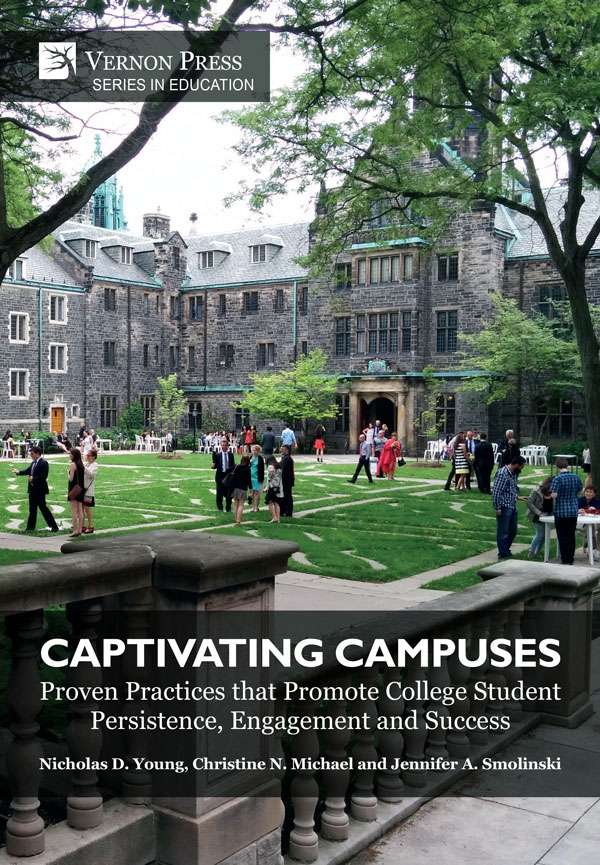
Nicholas D. Young, Christine N. Michael, and Jennifer A. Smolinski
What role does student engagement play in educational achievement on the post-secondary campus? And, what factors affect each student’s ability and motivation to engage with the full college experience, both in and outside of the classroom? It is now widely acknowledged that post-secondary institutions must not only focus on facilitating the transition from high school to college, but that they must also make a concerted effort to listen to the needs and experiences of their students in order to achieve maximal involvement within the college environment. Students need to be captivated by at least one element of their college experience - whether that be in the classroom, dorm, or extracurricular activities - in order to form a bond with their institution and feel motivated and attached enough to put in the hard work until graduation. Campuses that capture their students’ interests and passions, provide spaces for them to develop as individuals, and opportunities to form meaningful professional and personal relationships have a far greater chance of both retaining their students to graduation and helping them develop as whole human beings who will contribute. This book studies the many facets of student engagement as it attempts to define student engagement, differentiating it from involvement, and covers seminal theories of college student engagement. The contributions to this volume discuss the powerful role that relationships play in helping students identify their interests and talents, and other examples of best practice when it comes to creating engaging classroom experiences, such as collaborative projects with peers, study abroad, and learning that is situated in real-life problems that are of importance to the student.