Loading...
Please wait while we load the content...

Loading...
Please wait while we load the content...
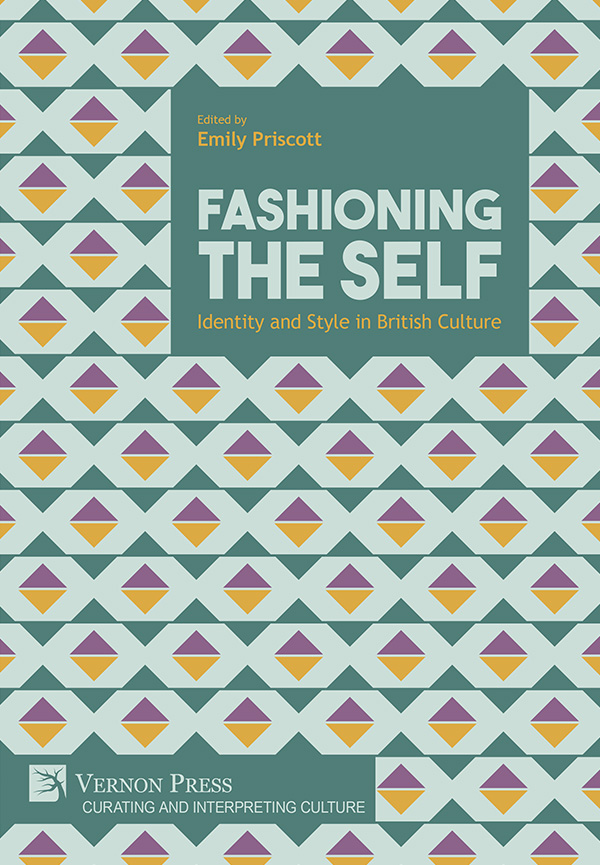
Emily Priscott, Chloe Northrop, Ramesha Jayaneththi, Margaret D. Stetz, and Petra Clark
'Fashioning the Self: Identity and Style in British Culture' offers an eclectic approach to contemporary fashion studies. Taking a broad definition of British culture, this collection of essays explores the significance of style to issues such as colonialism, race, gender and class, embracing topics as diverse as eighteenth-century portraiture, literary dress culture and Edwardian working-class glamour. Examining the emblematic power of garments themselves and the context in which they are styled, this work interrogates the ways that personal style can itself decontextualize garments to radically reframe their meanings. Using an intentionally eclectic range of subjects from an interdisciplinary perspective, this collection builds on the work of theorists such as Aileen Ribeiro, Vika Martina Plock, Cheryl Buckley and Hilary Fawcett, to examine the social significance of personal style, while also highlighting the diversity of British culture itself.
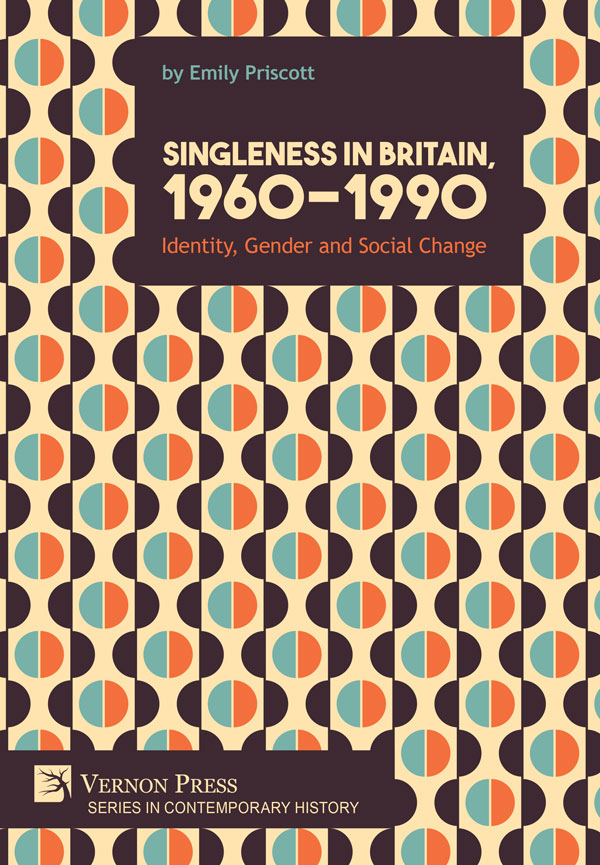
Emily Priscott
This book contributes to an emerging field of research, looking at the significance of marital status to debates about identity and gender. It examines representations and experiences of single men and women between 1960 and 1990, using a wide variety of sources, including digitized British newspapers, social research, films, and lifestyle literature. Whilst much-existing work focuses on the early-to-mid 20th centuries (such as Katherine Holden’s ground-breaking work, The Shadow of Marriage: Singleness in England, 1914-1960), this book alternatively examines the impact of the 1960s and the aftermath of changing attitudes to singleness. While Holden and others, such as Virginia Nicholson in Singled Out, focus largely on social status and lived experience (often through oral testimony), the author is just as interested in finding new ways of looking at gender and sexuality. This work starts from the premise that a distinct double standard existed in attitudes towards single men and women, which continued even after the wave of legislation to improve women’s status during the 1960s. Examining these often vastly different expectations reveals a complex web of progress, continuity, and contradictions, highlighting the uneven pace of social change and its frequent compromises and limitations. Using theoretical approaches such as feminism and queer theory, this work explores the impact of changing gender norms on issues including single fatherhood, old maid stereotypes, and experiences of homelessness. It can be used as a study aid for 20th-century British history and gender studies courses, and might also interest both established academics and intellectually curious non-academic readers. The author has made efforts, where possible, to clearly explain her theoretical approaches and interventions for those who might be unfamiliar with them.