Loading...
Please wait while we load the content...

Loading...
Please wait while we load the content...
Faculty of Humanities and Social Sciences, University in Rijeka, Croatia
David Webber, Tzachi Cohen, Amit Gupta, Roxane Coche, Rajendran Narayanan, Sayandeb Chowdhury, Emmanouil (Manos) Karousos, Antonio J. Pinto Tortosa, Ali Emrah Tokatlioğlu, Maria D. Mitchell Franklin, Joel Sronce, and Domagoj Krpan
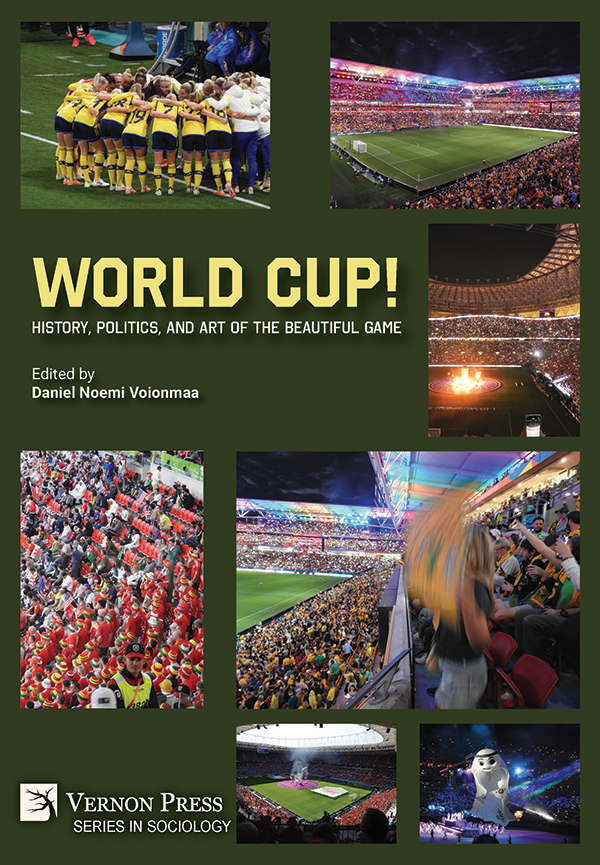
This collection of essays provides a multidimensional, interdisciplinary, creative, and colorful view on the meanings and possibilities of thinking football—'the beautiful game'—and its paramount event: the World Cup. It is intended to appeal to academics as well as to everyday experts, those for whom football is more than a sport. But it also wants to be a source that stirs the interest of those who see football just as a curious experience; those who may have heard, in passing, that a new World Cup will be played in the U.S., Canada, and Mexico in 2026. This book has, like a football team, eleven chapters. The approaches, styles, and perspectives differ considerably: From how football is a center piece in politics to its representations in poetry, from gender issues to nationalism, from fictitious wars to real ones provoked by a football match, and from exile to the neo-liberalization of the sport, the authors provide us a multicolor and global fresco of football and the World Cup. Likewise, the selection provides a global perspective on football and the World Cup: views from powerhouses such as England or Argentina, as well as from countries with a very incipient football tradition, such as India and Israel. 'World Cup! History, Politics, and Art of the Beautiful Game' is an invitation to continue to understand and think about one of the most important cultural manifestations of our times; a book that, particularly in the context of the next World Cup in 2026, will appeal to a broad readership, all around the world.
Lada Kolomiyets, Myroslava Tomorug Znayenko, Yuri Shapoval, Martha Bohachevsky Chomiak, Larissa Zaleska Onyshkevych, Olga Gomilko, Ostap Kushnir, Natalia Kudriavtseva, Domagoj Krpan, Bohdan A. Futey, and Antonina Berezovenko
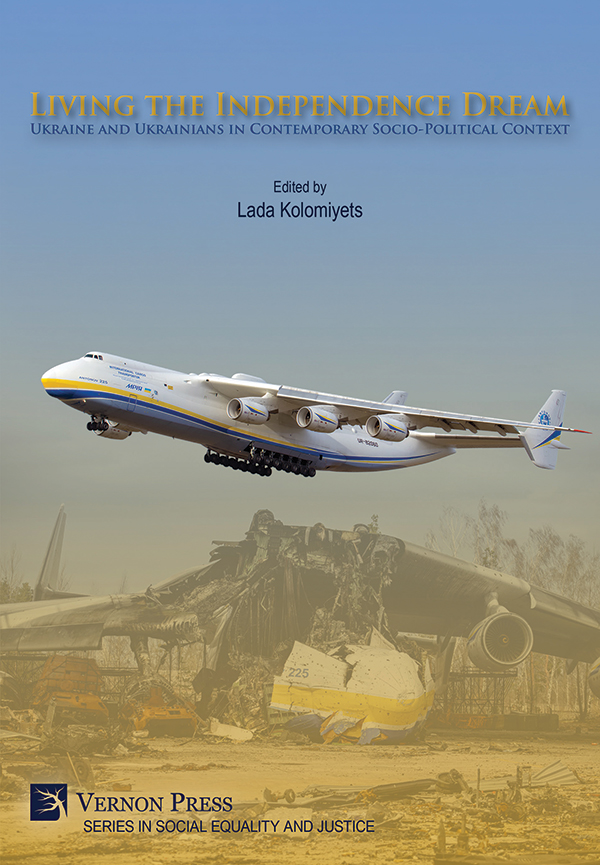
For many Ukrainians, 1991 was a crucial point when their long-held dream of independence came true. The image of the future life in independent Ukraine was then almost identical to folklore images of Ukraine as the land of milk and honey. "Living the Independence Dream" takes a multi-dimensional look at the period of regained independence as a time of advancement towards the realization of collective dreams shaping the post-Soviet nation, even through everyday disappointments, anxiety, and uncertainty. The collection features personal accounts of several generations of Ukrainians who found themselves displaced by political upheavals in foreign lands, as well as the voices of recently displaced people who left the Donbas or other regions of Ukraine following the outbreak of the Russian aggression. It revisits the legacy of Soviet dissidents and explores the ideologies of Ukrainian language revival and the ways that memory and language construct Ukrainian identity and generate vital energy amidst war. The collection "Living the Independence Dream" aims to analyze the agency of contemporary Ukrainian people and the role of media, literature, and digital folklore in creating new messages, meanings, and values formed during the Independence decades.