Loading...
Please wait while we load the content...

Loading...
Please wait while we load the content...
American International College
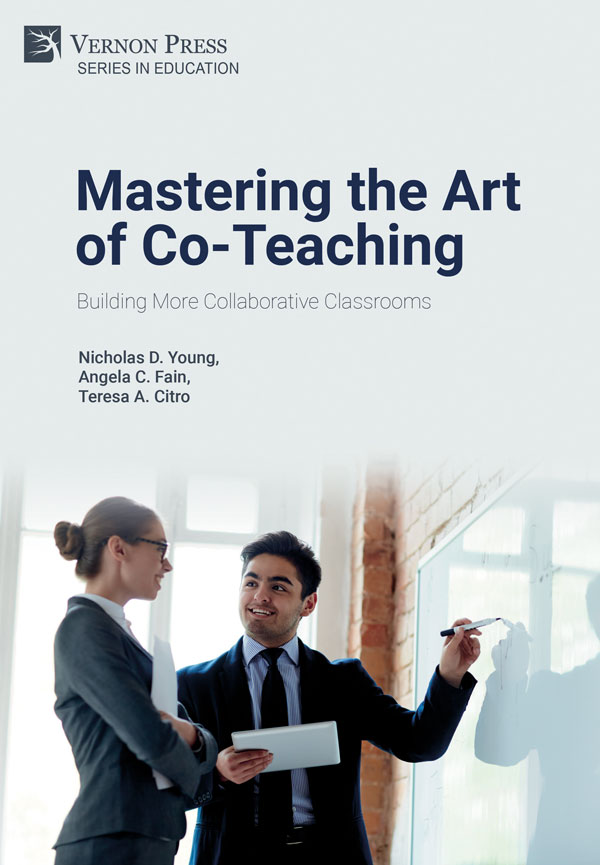
Nicholas D. Young, Angela C. Fain, Christine N. Michael, Vance Austin, Elizabeth J. Bienia, Gena Rotas, Doris Buckley, Karen Russo, Micheline S. Mallow, Amy Amico, Ellen Duchaine, and Robert A. Griffin
Today, more than ever, greater emphasis is placed on inclusive practices and the collaboration between general and special educators to ultimately ensure student success. 'Mastering the Art of Co-Teaching: Building More Collaborative Classrooms' addresses research-based strategies, practices and theories which can be readily translated into classroom practice. Important issues that commonly arise in co-teaching partnerships, as well as professional and personal challenges faced by teachers are also tackled. Tackling important issues that commonly arise in co-teaching partnerships, as well as professional and personal challengers often faced by teachers, this book provides educators with the most effective co-teaching strategies and tools available, aiding the success of collaborative efforts in the classroom.
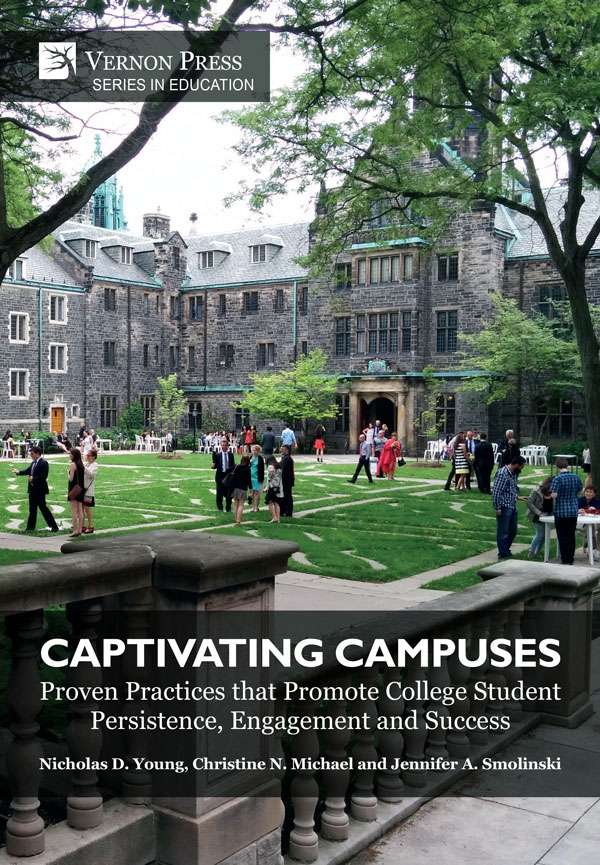
Nicholas D. Young, Christine N. Michael, and Jennifer A. Smolinski
What role does student engagement play in educational achievement on the post-secondary campus? And, what factors affect each student’s ability and motivation to engage with the full college experience, both in and outside of the classroom? It is now widely acknowledged that post-secondary institutions must not only focus on facilitating the transition from high school to college, but that they must also make a concerted effort to listen to the needs and experiences of their students in order to achieve maximal involvement within the college environment. Students need to be captivated by at least one element of their college experience - whether that be in the classroom, dorm, or extracurricular activities - in order to form a bond with their institution and feel motivated and attached enough to put in the hard work until graduation. Campuses that capture their students’ interests and passions, provide spaces for them to develop as individuals, and opportunities to form meaningful professional and personal relationships have a far greater chance of both retaining their students to graduation and helping them develop as whole human beings who will contribute. This book studies the many facets of student engagement as it attempts to define student engagement, differentiating it from involvement, and covers seminal theories of college student engagement. The contributions to this volume discuss the powerful role that relationships play in helping students identify their interests and talents, and other examples of best practice when it comes to creating engaging classroom experiences, such as collaborative projects with peers, study abroad, and learning that is situated in real-life problems that are of importance to the student.
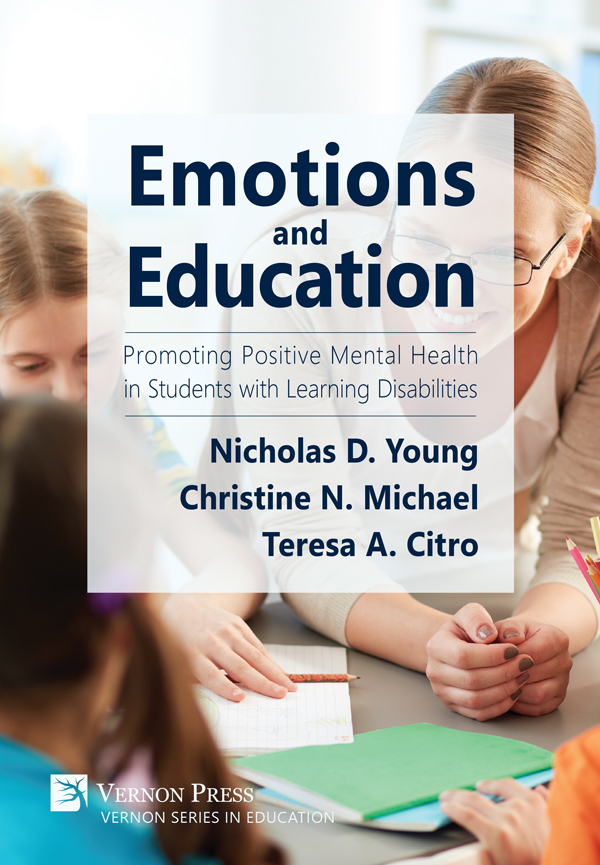
Nicholas D. Young, Christine N. Michael, Kristi L. Santi, Jacqueline Hawkins, Caroline Christensen, Linda E. Denault, Kristen L. Bonanno-Sotiropoulos, Rosalie Fink, James D. Shivers, Vance Austin, Elizabeth J. Bienia, Micheline S. Malow, Anne E. Mead, and Teresa A. Citro
Written by an experienced team of practitioners and scholars, this text attempts to fill the gap in texts that specifically address the needs of Learning Disabilities (LD) students in the socioemotional and mental health domains. By providing a foundational understanding of some of the salient issues facing students with learning disabilities, we hope to empower all of those who are working to ensure their success by providing the particular challenges that LD students and their families may face, and strategies and best practices for building creativity, resiliency, prosocial behavior, and positive mental health. As a practitioner and family-oriented text, this book seeks to offer a truncated review of relevant literature followed by suggestions to guide practice.