Loading...
Please wait while we load the content...

Loading...
Please wait while we load the content...
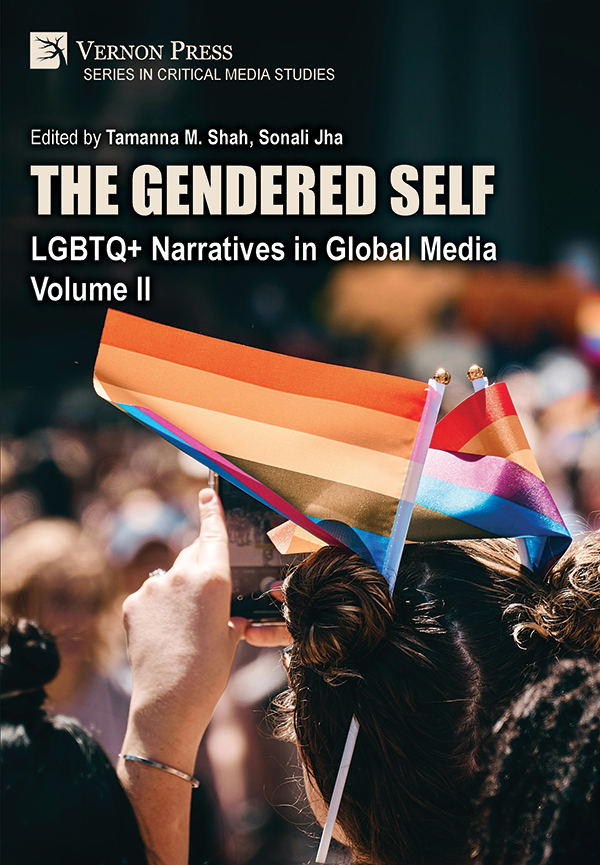
Kazım Tolga Gürel, Sonali Jha, Sarah E. Page, Yang Yang, Yuxuan Mu, Niveditha Jayaraj, G. Sadhana, and Mabel Gardner
'The Gendered Self: LGBTQ+ Narratives in Global Media, Volume II' challenges the restrictive frameworks that have long defined gender and sexuality. Moving beyond simplistic dichotomies, this volume explores how LGBTQ+ identities are shaped, represented, and contested across diverse cultural, historical, and political contexts. Through case studies from Turkey, the United States, China, and India, contributors reveal the lived complexities of queer experience. Chapters trace transgender journeys of identity transformation, dissect the weaponization of queer bodies in moral panics, and analyze the digital self-representations of Chinese gay men. Others investigate how Indian OTT platforms and Malayalam cinema expand space for queer narratives, while historical accounts of activists like Paula Grossman illustrate the fraught relationship between representation, activism, and backlash. Across these explorations, the volume highlights how media, politics, and cultural traditions simultaneously affirm and erase queer lives. It uncovers the deep roots of erasure in mythology and religion, while also showing how digital platforms and popular culture create new opportunities for resistance and recognition. This collection insists that the “gendered self” must be understood as fluid, intersectional, and culturally situated, pushing readers to reimagine identity beyond binaries and toward broader visions of inclusion and justice.
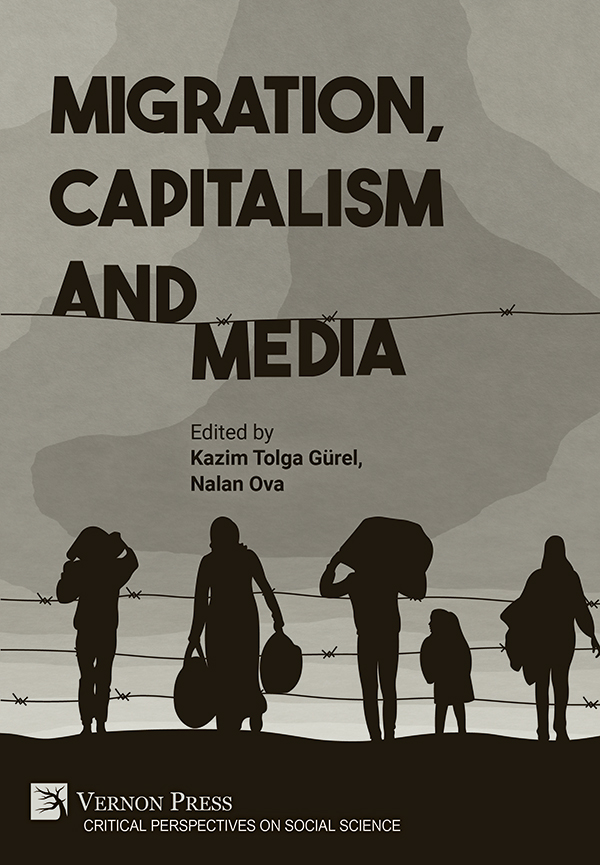
Shahid Minhas, Özen Kurtulus, Nalan Ova, Sandra Castro, Luna Chung, Neela Hassan, Nurbanu Kesgin, Mustafa Yetim, Merve Hickok, Kazım Tolga Gürel, and Tamanna M. Shah
This study explores the intricate arrangements that serve the power and profit interests of the ruling classes. It examines how capital-driven approaches and life-colonizing construction goals form the backdrop to the events and analyses presented in these articles. Each contribution, regardless of its conclusion, begins with real-life experiences, interpreting specific theories and data through the lens of historical context. At the heart of the book lies the notion that all practices and elements of life are subject to colonization. Whether in the form of a nation-state or a party-state, the state functions as a power center shaping migration policies to serve ruling-class interests. The articles included were carefully selected by the editor. While some emphasize the concept of identity—an approach the editor may not fully endorse—these pieces were chosen to reflect a diversity of thought and to model the kind of genuine democracy that remains absent in today’s world. It is important to note that the book rejects any ideologies that violate human rights, such as fascism, racism, homophobia, misogyny, and xenophobia. This collection offers a compelling examination of themes including immigration, capitalism, and the media.
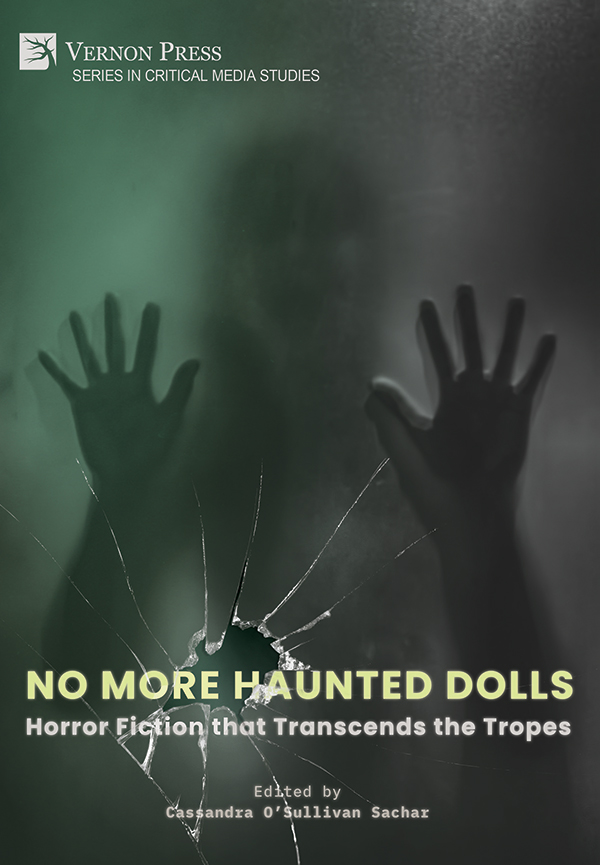
Kazım Tolga Gürel, Chayyim Holtkamp, Maria Juko, Priyanka Bharali, Stephan Zguta, Cass Heid, Lisa Wood, Josh Hanson, David Edwards, Andrew Wilczak, Melissa Eriko Poulsen, Zaher Alajlani, Carlos A. González, and Stefan Sonntagbauer
*The 2024 Bram Stoker Awards: Superior Achievement in Short Non-Fiction 'No More Haunted Dolls: Horror Fiction that Transcends the Tropes' is a multi-author work united by the common theme of critical analysis of the use of horror tropes in literature, film, and even video games. Tackling issues dealing with gender, race, sexuality, social class, religion, politics, disability, and more in horror, the authors are horror scholars hailing from varied backgrounds and areas of specialty. This book may be used as a resource for classes that study horror or simply as entertainment for horror fans; readers will consider diverse perspectives on the tropes themselves as well as their representation in specific works.
Kazım Tolga Gürel
Throughout history, speech has been forbidden or at least restricted to the laboring classes. Enslaved people laboring in ancient Egypt or working on Latin American plantations were forbidden to speak during work. In the early period of nation-states, the language of many peoples was forbidden because of the sovereignty of the lingua franca. Censorship has taken various forms in the history of all states. Talk amongst the laboring classes could lead to revolt and revolution; for this reason, speech was restricted during the harshest periods of labor. However, speech could be commercialized and reproduced in a society where all individuals were atomized entirely and isolated, in an environment where meaning was almost lost. In short, speech was supervised and controlled for the oppressed until the second half of the 20th century. However, especially in the postmodern period, speech has been supported at every point and subjected to significant inflation as if it were detached from meaningfulness. The pressures previously placed on the speech of workers and marginalized groups have suddenly diminished; speech everywhere has been commercialized and reproduced. This book analyses the causes of this evolution.